
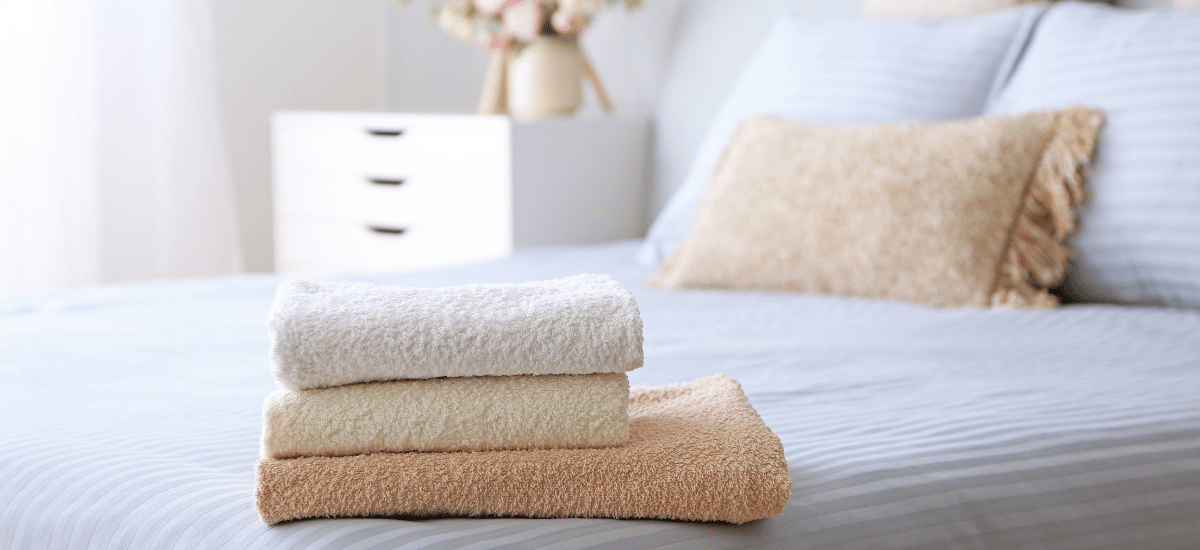
Cleaning a room is easier when you follow one order: remove trash, gather laundry, put items away, clean from high to low, and finish with the floor. That sequence clears your work area first and helps keep dust and debris from landing on a surface you already cleaned.
Use the full checklist when the room needs a thorough reset. If you are short on time, jump to the 15-minute version for a quick, visible improvement.
When regular upkeep is not enough, use our bedroom deep cleaning checklist for less frequently cleaned details, clear scope boundaries, and a top-to-bottom reset.
Key Takeaways
- Start with trash, dishes, and laundry so you have space to work.
- Put misplaced items into categories instead of moving clutter from one surface to another.
- Work from higher areas to lower ones and clean the floor last.
- Check the care instructions for bedding, electronics, furniture, flooring, and cleaning products before use.
- If pregnancy is part of your planning, review the evidence-based pregnancy-safe cleaning products guide before selecting or using a product.
- Use a product only on surfaces listed on its label; test it in a small, inconspicuous area when material compatibility is uncertain.
- Routine cleaning usually does not require disinfecting every bedroom surface. If disinfection is needed, clean first and follow the disinfectant label exactly.
- A short daily reset and a flexible weekly routine can make the next full cleaning easier.
How to Clean Your Bedroom Step by Step
Open blinds or curtains for working light if helpful. If you use a cleaning product that calls for ventilation, follow its label and increase fresh air as directed. Keep children and pets away from products and from wet or recently treated surfaces according to label directions.
Step 1: Take Out Trash
Walk around the room with a trash bag and collect obvious waste: tissues, wrappers, packaging, empty containers, and anything else ready to discard. Check beside the bed, under accessible furniture edges, on the desk, and near the door.
Separate recycling only when your local program accepts the material. Tie or close the trash bag and move it out of the room before continuing. If you find sharp, leaking, chemical, or otherwise unusual waste, do not handle it like ordinary household trash; follow the product label and local disposal guidance.
Step 2: Gather Dishes and Laundry
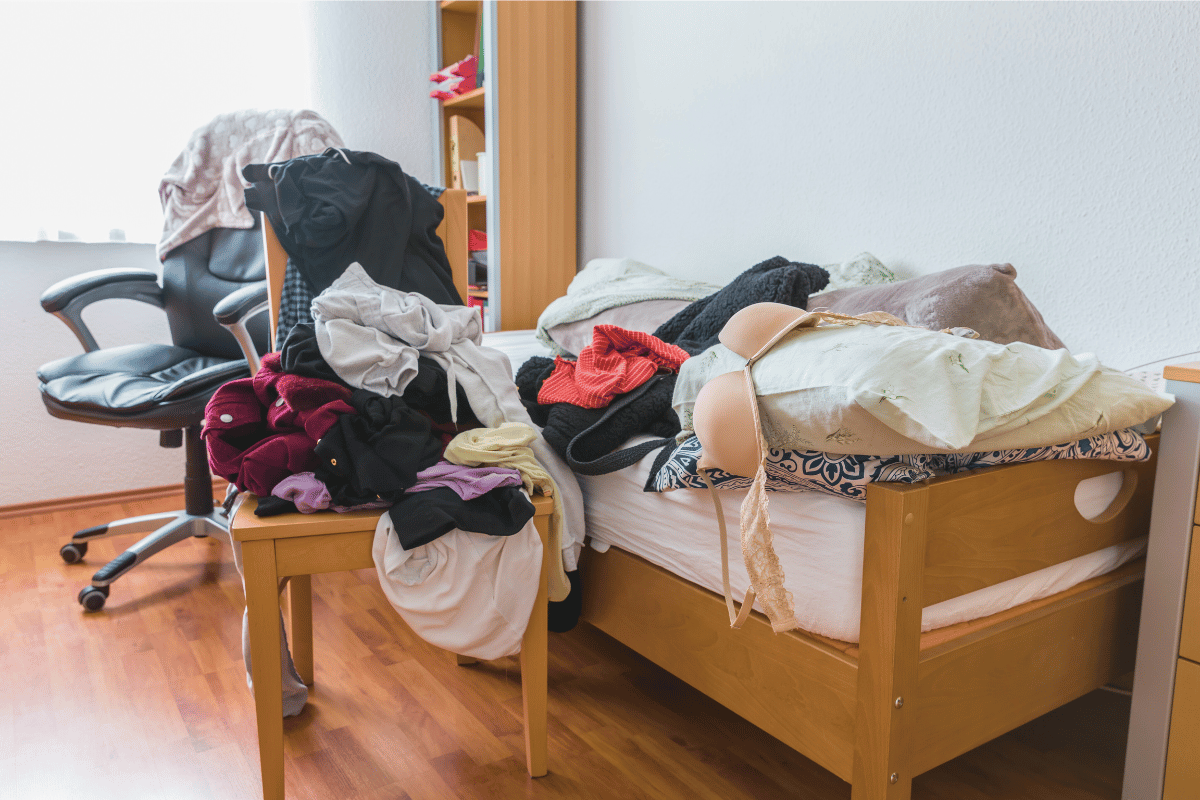
Move cups, plates, and other dishes to the kitchen. Put dirty clothes and washable linens in a hamper or laundry basket. Keep dry-clean-only or special-care items separate.
Check pockets before laundering and follow each garment’s care label. Do not place damp towels or clothing in a closed pile for extended storage; hang them to dry or begin the appropriate laundry cycle.
Step 3: Put Away Clean Clothes
Fold, hang, or place clean clothes in their assigned drawers or shelves. If an item no longer fits or is not used, place it in a separate repair, donate, sell, or textile-recycling category rather than leaving it in the cleaning path.
Avoid making a large organizing project a requirement for finishing the room. A labeled temporary bin for items that need a later decision can keep the cleaning session moving.
Step 4: Strip and Check the Bed
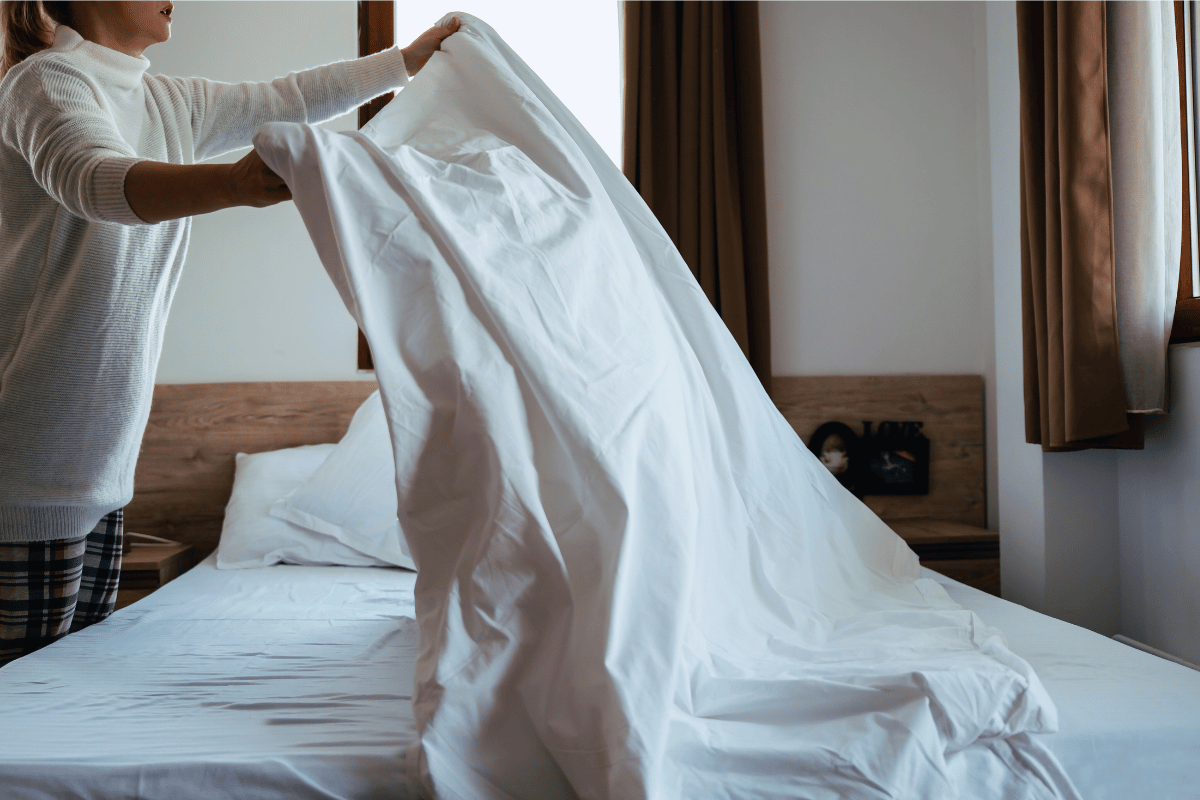
Remove sheets, pillowcases, and other washable bedding when they are due for laundering. Follow the care labels for water temperature, cycle, drying, and any special materials. Some pillows, mattress covers, weighted blankets, electric blankets, and decorative items have different instructions from standard sheets.
Check the mattress and bed frame for visible debris or spots. Vacuum or spot-clean only if the manufacturer permits it, using the recommended attachment or product. Skip generic powder, liquid, steam, deodorizing, or stain recipes unless the mattress maker’s directions allow that method.
If the bedding is not being washed today, make the bed after the surrounding surfaces and floor are finished.
Step 5: Clear Surface Clutter
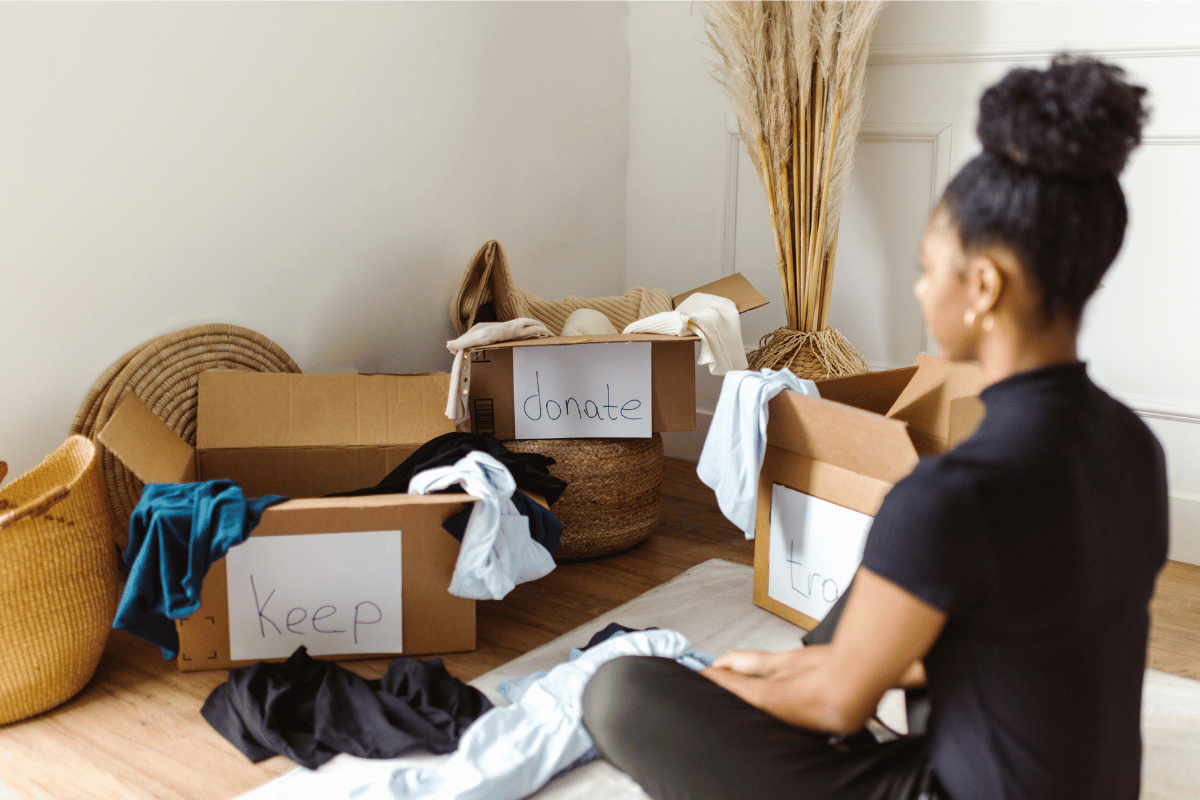
Clear the nightstand, dresser, desk, shelves, and other reachable surfaces. Sort items into five simple groups:
- Keep in this room
- Put away elsewhere
- Trash or recycle
- Donate or sell
- Decide later
Return the first group to its assigned place. Use a basket for items going to other rooms and deliver them after you finish the bedroom, which prevents repeated trips from interrupting the sequence.
Keep exits, walking paths, vents, and heaters clear. Do not stack heavy items on unstable furniture or block access to electrical panels, cords, smoke alarms, or other safety equipment.
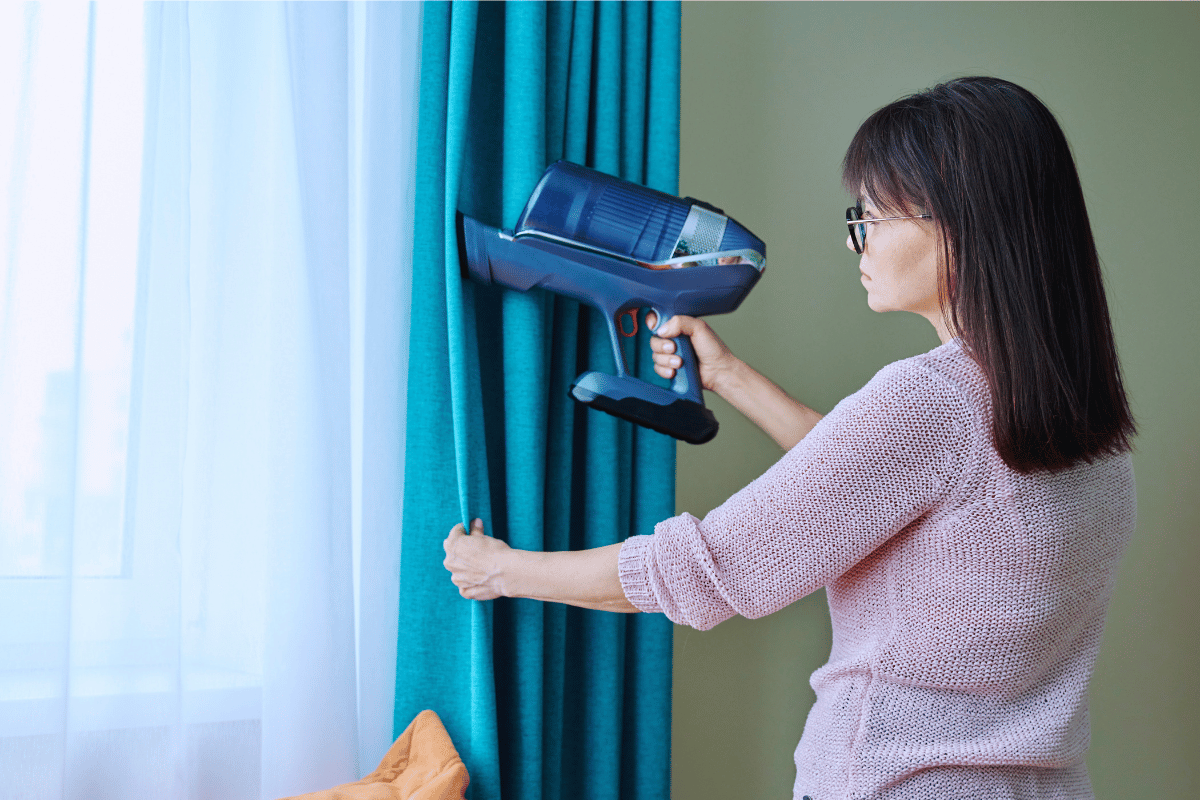
Step 6: Dust from High to Low
Turn off ceiling fans before cleaning them. Use a stable, appropriate step stool only when you can reach safely; skip anything beyond a comfortable reach.
Start with reachable fan blades, light fixtures, curtain rods, shelf tops, frames, and upper furniture. Continue down to lamps, headboards, window ledges, baseboards, and lower furniture. A dry or slightly damp microfiber cloth may work for many surfaces, but the material and manufacturer instructions control.
Do not spray liquid directly into light fixtures, switches, outlets, vents, screens, speakers, or other electronics. Use the device maker’s cleaning instructions and apply any permitted product to the cloth rather than the device when directed.
Step 7: Clean Reachable Hard Surfaces
Clean visibly dirty, reachable hard surfaces with a product suitable for that exact material. Read the label for where the product may be used, whether it must be diluted, how it should be applied, whether it must be rinsed, what ventilation or protective equipment is required, and how long the area should stay untouched or wet.
Test an unfamiliar product or method in a small, hidden area first. Painted, sealed, unsealed, stone, wood, laminate, metal, acrylic, and upholstered surfaces can react differently. Do not assume vinegar, baking soda, bleach, alcohol, essential oils, or an all-purpose cleaner is compatible with every finish.
Cleaning and disinfecting are different tasks. According to the CDC, cleaning with soap or detergent is generally enough for routine household surfaces; disinfection is more likely to be relevant when someone is sick or at higher risk. If you choose or need to disinfect, clean first, use an EPA-registered product for the intended surface and purpose, and follow the complete label—including contact time. Never mix cleaning or disinfecting products.
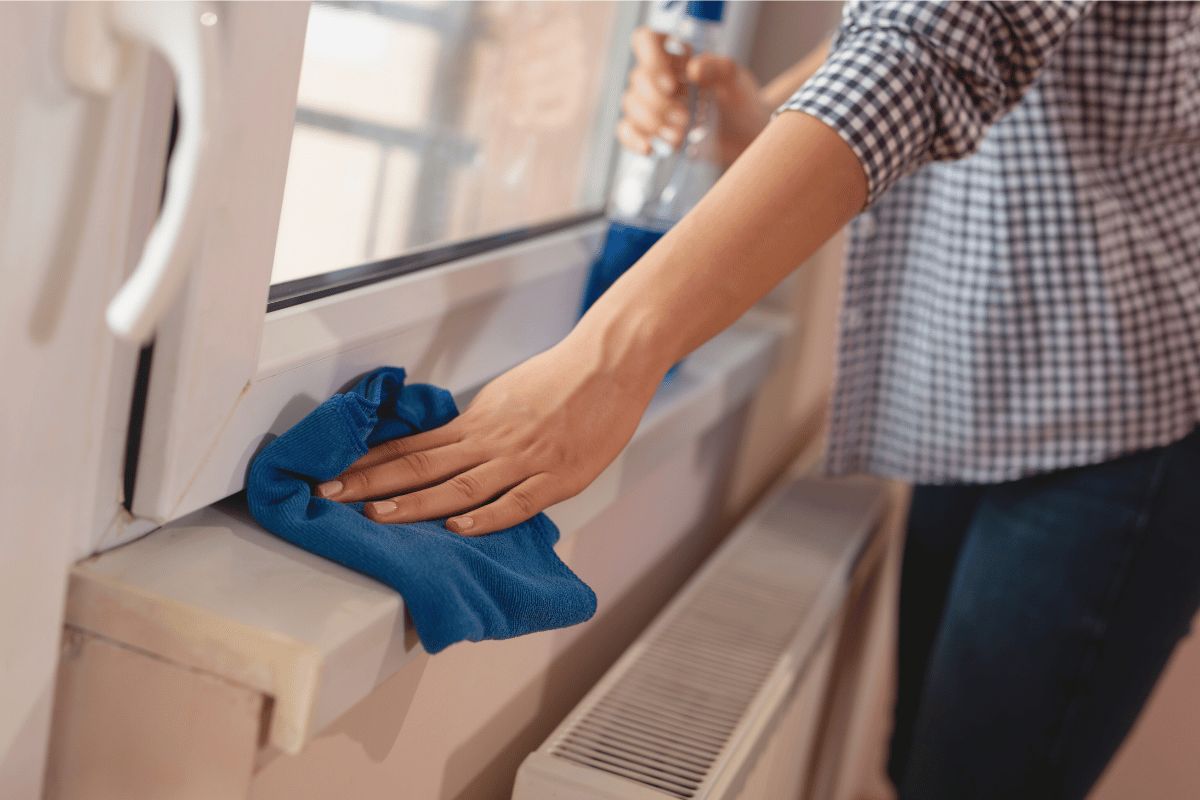
Step 8: Clean Mirrors and Windows as Appropriate
Dust the frame, sill, and accessible track before cleaning glass. Use a glass product or method allowed by the window, mirror, tint, coating, and frame manufacturer. Apply a modest amount and wipe with a clean, lint-free cloth.
Do not use a generic vinegar-and-water recipe as a universal solution. Acids and other ingredients may be unsuitable for some frames, films, stone surroundings, electronics, or specialty finishes. Leave exterior, elevated, damaged, or difficult-to-access windows to an appropriately equipped provider.
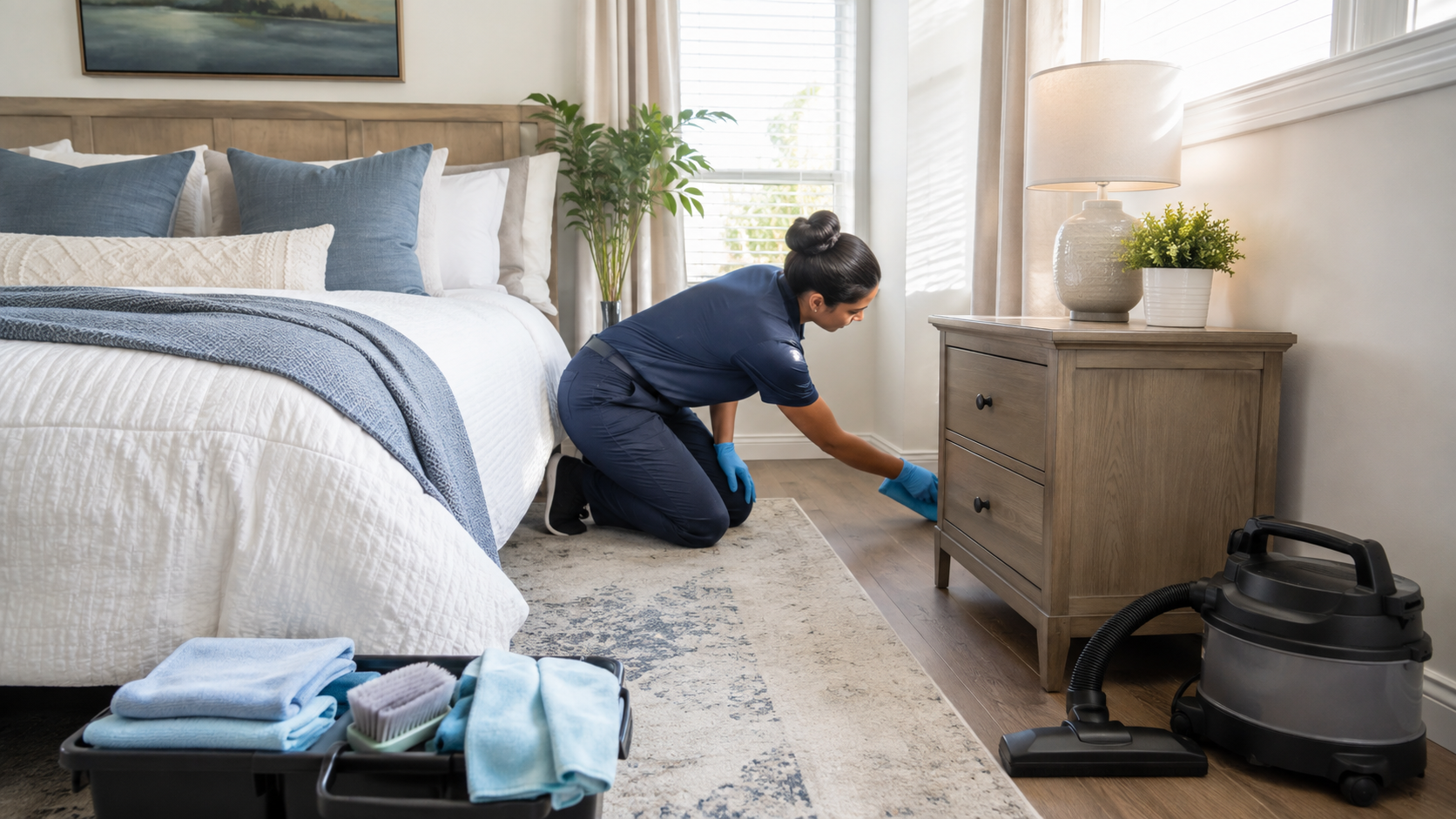
Step 9: Vacuum, Sweep, or Mop the Floor
Pick up objects and check for cords, small items, loose carpet edges, and anything that could damage the vacuum or create a trip hazard. Follow the flooring and equipment manufacturers’ instructions.
- Carpet and rugs: Vacuum slowly enough to collect visible debris. Adjust the vacuum setting or attachment for the carpet or rug construction. Check care labels before treating spots.
- Hard floors: Sweep, vacuum, or dry-mop loose debris first. Damp-mop only with a method and product approved for that floor. Avoid excess water, especially on wood, laminate, seams, and other moisture-sensitive materials.
- Under furniture: Move only pieces you can handle safely without dragging, tipping, damaging the floor, or straining yourself. Use appropriate help for heavy items.
No single stain method works on every carpet, rug, floor, finish, or soil type. Blot fresh spills when the material’s care guidance permits, avoid aggressive scrubbing, and check the manufacturer or a qualified material-care professional before applying a treatment.

Step 10: Remake the Bed and Reset the Room
Once the surrounding dusting and floor work are complete, remake the bed with clean, fully dry bedding or straighten the existing bedding. Return only the items that belong in the room. Empty your “put away elsewhere” basket, store cleaning supplies according to their labels, and return equipment to its normal location.
Store cleaning products in their original containers with labels intact and out of reach of children and pets. Do not transfer products into food or drink containers.

A Flexible Bedroom Cleaning Schedule
There is no universal cleaning frequency for every room. Room use, number of occupants, flooring, open windows, pets, clutter, spills, sensitivities, and personal preferences all change the schedule. Use visible soil and your household’s needs—not a rigid promise—as the guide.
Daily or As-Needed Reset
- Put trash in the bin.
- Move dishes to the kitchen.
- Place dirty clothes in the hamper.
- Return frequently used items to their assigned spots.
- Wipe up fresh spills using the material’s approved method.
- Clear the walking path.
Weekly Starting Point
- Change or straighten bedding according to household preference and care labels.
- Dust reachable surfaces.
- Clean mirrors if marked.
- Vacuum carpet and rugs or clean hard floors.
- Empty the trash.
- Put away accumulated items.
This is a starting point, not a rule. Clean sooner when something is visibly dirty and adjust the list to the room.
Monthly or Periodic Tasks
- Dust reachable baseboards, door tops, frames, vents, and furniture edges.
- Vacuum accessible areas beneath movable furniture.
- Review clothes and objects that have collected outside their assigned storage.
- Clean accessible window tracks and sills with a material-compatible method.
- Check whether pillows, protectors, curtains, or washable rugs are due under their care instructions.
Seasonal or Yearly Review
- Sort clothing by current use, fit, repair needs, donation, or textile recycling.
- Review under-bed and closet storage.
- Check for damaged cords, unstable furniture, loose hardware, or blocked vents.
- Clean behind larger furniture only when it can be moved safely.
- Schedule material-specific or professional help for work outside your reach, equipment, or confidence.
Bedroom Cleaning Supply List
Choose only what the room and its materials require:
- Trash and recycling bags
- Laundry hamper or basket
- A basket or bin for items that belong elsewhere
- Clean microfiber or other manufacturer-approved cloths
- Duster with an appropriate reach
- Vacuum with suitable attachments, broom, or dry mop
- Floor-cleaning tool and a product approved for the floor
- Surface cleaner approved for the exact material
- Glass cleaner approved for the mirror or window finish
- Gloves or eye protection when a product label calls for them
- Stable step stool for safely reachable areas
A pleasant scent is not evidence that a surface is clean, and unscented does not automatically mean risk-free. Essential oils and homemade mixtures are not necessary for this checklist. If product ingredients or fragrance matter to your household, compare labels and consider products bearing EPA’s Safer Choice label; still use every product according to its directions.
How to Speed Clean Your Bedroom in 15 Minutes
This is a quick reset, not a promise that every room can be fully cleaned in 15 minutes. Set a timer only if it helps you focus, and stop rather than rushing an unsafe lift, climb, spill, or product step.
Minutes 0–3: Trash and Dishes
Collect ordinary trash, close the bag, and move dishes to the kitchen.
Minutes 3–6: Laundry and Bed
Put dirty clothes in the hamper, gather clean clothes into one place, and make or straighten the bed.
Minutes 6–10: Put Items Away
Return obvious items to their assigned locations. Use one basket for objects that belong elsewhere and one small “decide later” bin if needed.
Minutes 10–13: Wipe Priority Surfaces
Dust or clean the most visible reachable surfaces using a material-compatible method. Do not start a product task whose label requires more time, rinsing, ventilation, protective equipment, or a contact period than you can complete.
Minutes 13–15: Floor and Exit
Vacuum or sweep the main open floor area, clear the walking path, and take the trash and put-away basket with you.
When time is up, the room may not be fully detailed—and that is fine. Continue later with the full checklist, starting where you stopped.
How to Keep Your Room Clean
The simplest system is one that matches how the room is actually used:
- Place a hamper where clothes usually land.
- Keep a small trash bin where waste is generated.
- Give frequently used items an easy-to-reach home.
- Leave some storage space open instead of packing every shelf or drawer.
- Use a short return-items-and-clear-the-floor reset at a repeatable time.
- Handle small spills promptly with the approved method for the material.
- Break large tasks into one category or zone when a full-room session is unrealistic.
If your whole home needs a broader plan, use Tidy Upped’s complete Cleaning Tips guide. If the room is part of a larger detail reset, review what Tidy Upped’s Deep Cleaning service may include. For ongoing professional upkeep, compare Recurring House Cleaning. Exact scope, access, priorities, and add-ons should be confirmed in the quote rather than assumed from a general checklist.
Frequently Asked Questions
What is the best order for cleaning a room?
Start with trash, dishes, and laundry; put misplaced items away; clean from high to low; then vacuum, sweep, or mop the floor. This order clears the work area and leaves the floor until after dust and debris from higher surfaces have fallen.
Where should I start if my room is very messy?
Start with one visible category: ordinary trash. Then gather dishes and laundry, clear a safe walking path, and sort the remaining items into keep-here, put-away-elsewhere, donate, and decide-later groups. Work in a small zone if the whole room feels too large.
Can I clean my room in 15 minutes?
You can usually make a visible reset in 15 minutes by collecting trash, gathering laundry, making the bed, putting away obvious items, wiping a priority surface, and cleaning the open floor area. The exact result depends on room size and condition; detailing, laundry, product contact times, and material-specific care may require longer.
Should I disinfect my bedroom every day?
Usually not. CDC guidance says routine cleaning with soap or detergent is generally enough for household surfaces, while disinfection is more likely to be needed when someone is sick or at higher risk. When disinfection is appropriate, clean first and follow an EPA-registered product’s full label for the intended surface and use.
Are vinegar and baking soda safe for every bedroom surface?
No. A household ingredient is not automatically compatible with every material, finish, stain, or cleaning product. Follow the surface manufacturer’s care guidance and the product label, and test an unfamiliar method in a hidden area. Never mix products or chemicals unless the labels explicitly direct that combination.
How often should I clean my bedroom?
Use visible soil and household needs as the guide. A short daily or as-needed reset and a weekly starting list work for many households, but occupancy, pets, open windows, flooring, clutter, spills, and preferences may require a different cadence.
What if I do not have time for a full room cleaning?
Prioritize a clear walking path, trash, dishes, laundry, fresh spills, and the main open floor area. Finish the remaining zones later. If you want help with a defined residential scope, request a quote and confirm the room, condition, access, priorities, and requested add-ons.
Conclusion
A repeatable order matters more than a perfect room: remove what does not belong, put away what remains, work from high to low, and finish with the floor. Use label-first, material-aware methods and adjust the checklist to the room instead of forcing every bedroom into the same routine.

Leave A Comment