

When I use my microwave daily, it’s easy to forget how quickly grime and food splatters can build up inside. These messes not only look bad but can also affect the taste and smell of what I cook next. A clean microwave works better and lasts longer. Keeping it clean also helps prevent bacteria and unpleasant odors from taking over my kitchen.
Regular cleaning is important for anyone who uses their microwave often. Even a quick wipe-down after each use makes a big difference. This routine keeps tough stains and smells from building up and makes deep cleaning much easier later on.
How This Guide Helps
This step-by-step guide walks me through the best way to clean my microwave using these common items. I’ll learn how to tackle daily wipe-downs and deep cleanings, how often to do each, and how to get rid of lingering smells. By following these simple steps, I keep my microwave spotless and ready for anything I want to cook.
Preparing Your Microwave for Cleaning
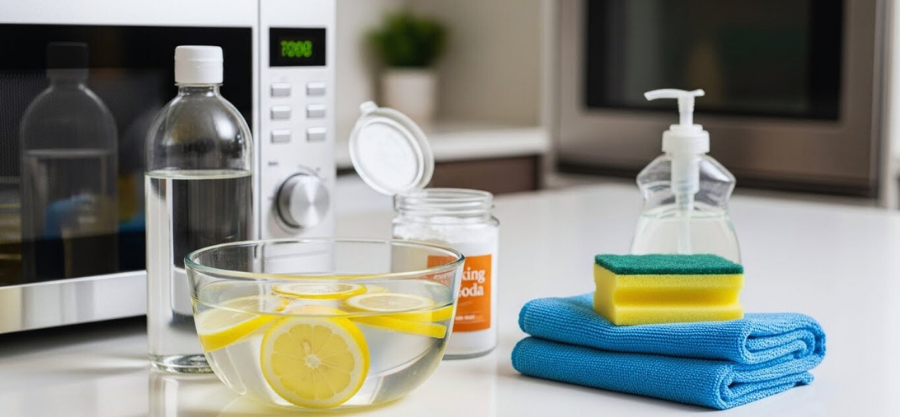
Before beginning the process of cleaning your microwave, it is important to ensure both your safety and the efficacy of your cleaning efforts. Much like preparing a canvas before painting, a clean starting point will allow the rest of the process to flow more smoothly and achieve a better result.
Unplugging the Appliance
The first and most critical step in cleaning any electrical appliance is to disconnect it from its power source. For a microwave, this means locating the power cord and unplugging it from the wall outlet. This action is not merely a suggestion; it is a fundamental safety precaution. Electrocution is a serious risk when dealing with appliances, and a live microwave presents an unnecessary hazard. Imagine the appliance as a sleeping giant; you wouldn’t want to wake it up unexpectedly while you’re working on it. This simple act of unplugging is the equivalent of putting the giant to sleep soundly.
Removing Removable Components
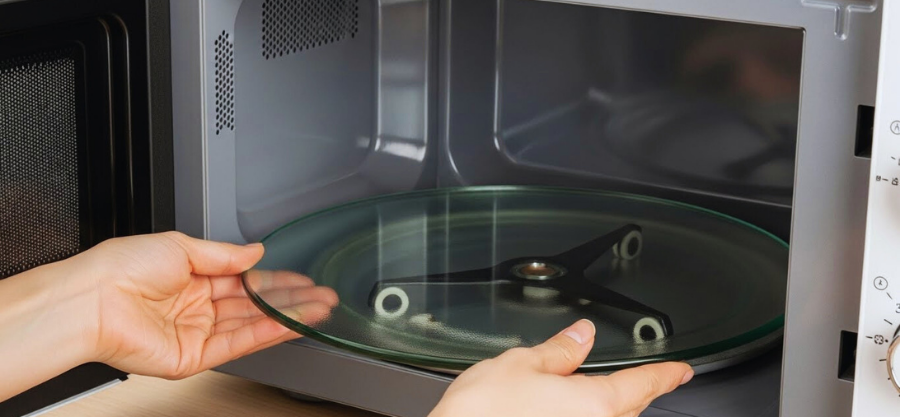
Most microwaves feature a turntable and sometimes a support ring or roller guide beneath it. These components are designed to be removed, making cleaning the interior much more manageable. Carefully lift the turntable out of the microwave. If it is set on a ring or roller guide, remove that as well. These parts often accumulate significant food residue, and cleaning them separately allows for a more thorough treatment and ensures they are not missed. Think of them as the gears in a machine; if the gears are dirty, the whole machine will not operate efficiently, nor will it be hygienically sound.
Removing Food Splatters and Stains
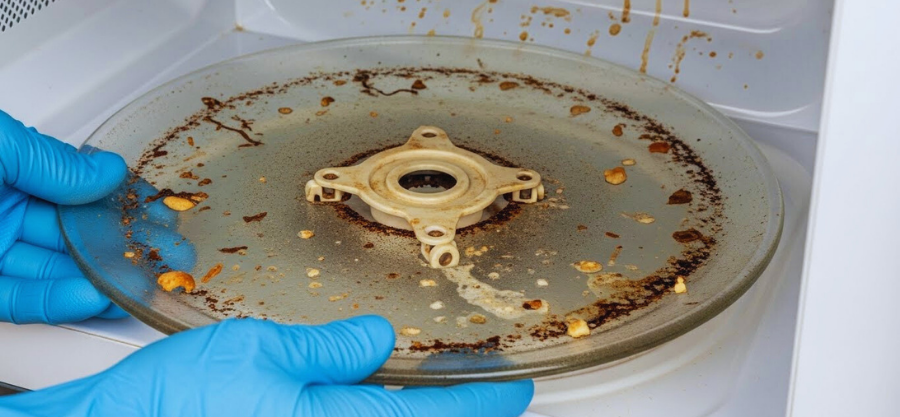
Food splatters inside a microwave can be stubborn, often baking onto the interior surfaces with each use. Tackling these promptly and effectively is key to a clean appliance.
The Power of Steam
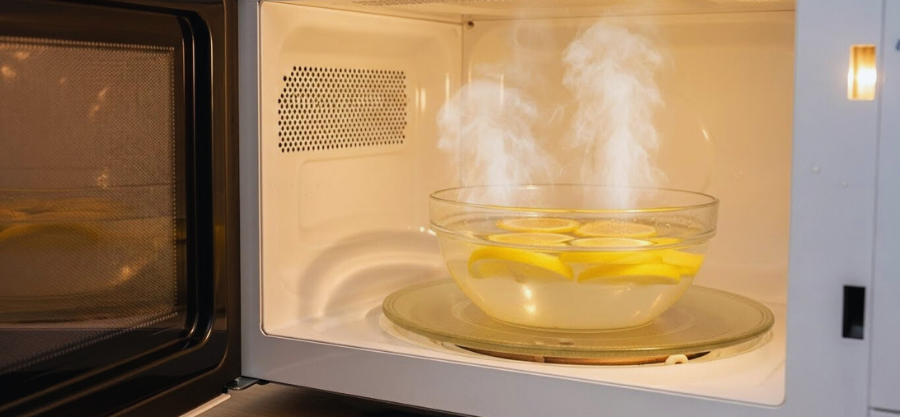
One of the most effective methods for loosening dried-on food is steam. You can create steam by placing a microwave-safe bowl or cup filled with water inside the microwave. For an added boost, you can add a tablespoon of white vinegar or a few slices of lemon to the water. Run the microwave on high power for 2 to 5 minutes, or until the water is steaming and the interior of the microwave is fogged up. This process turns the hardened food into a softer, more manageable substance. The steam acts like a gentle rain, softening the parched earth and making it easier to work with.
Allowing the Steam to Work
Crucially, after the steaming cycle is complete, do not immediately open the microwave door. Let the steam sit inside for at least 5 to 10 minutes. This allows the moisture to penetrate and loosen the dried food effectively. This waiting period is like allowing a stew to simmer; the flavors meld and soften, making the final dish more palatable. Patience here will prevent you from having to scrub aggressively later.
Wiping Away Residue
Once the steaming period is complete, carefully remove the hot bowl (use oven mitts). The interior surfaces should now be significantly easier to wipe down. Use a damp, soft cloth or sponge to wipe away the loosened food splatters and stains. Start from the top and work your way down, ensuring you reach all areas. For particularly stubborn spots that remain, you may need to apply a little gentle pressure.
Using Natural Cleaning Solutions
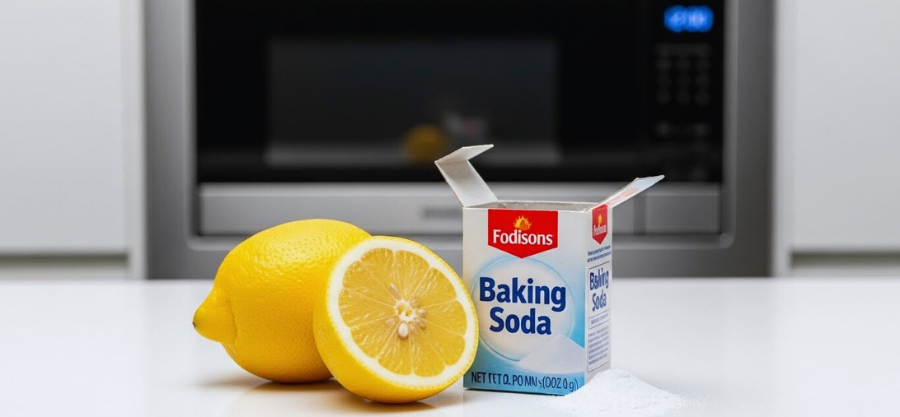
While commercial cleaning products are available, many people prefer to use natural alternatives for their microwaves. These solutions are often less harsh, more environmentally friendly, and readily available in most households.
The Versatility of Vinegar
White vinegar is a cornerstone of natural cleaning.
Its acidic nature helps to break down grease, grime, and food residue. As mentioned in the steaming method, adding vinegar to water creates a powerful cleaning solution. Even without steaming, a solution of equal parts white vinegar and water can be used on a cloth to wipe down the interior surfaces.
It’s a workhorse in the cleaning arsenal, capable of tackling a multitude of tasks with its simple chemical makeup.
Lemon for Freshness and Cleaning Power
Lemon juice, like vinegar, has acidic properties that aid in cleaning. More importantly, it leaves a pleasant, fresh scent behind, which can neutralize lingering odors in the microwave. You can use fresh lemon halves, squeezed into a bowl of water before steaming, or add lemon juice to your vinegar-water solution.
The tangy essence of lemon can cut through grease much like a sharp knife can slice through butter
Baking Soda for Scrubbing and Odor Absorption
Baking soda is an excellent mild abrasive. When mixed with a small amount of water to form a paste, it can be used to gently scrub away tougher stains without scratching the microwave’s interior. This paste is especially effective for baked-on grime.
Furthermore, baking soda is a natural odor absorber. Leaving an open box or a small dish of baking soda inside the microwave overnight can help to eliminate unpleasant smells. It acts like a sponge for odors, soaking them up and leaving the air cleaner.
Wiping Down the Interior and Exterior
| Surface | Frequency | Cleaning Product |
|---|---|---|
| Interior Door Handles | Once a day | Disinfectant spray |
| Steering Wheel | Once a day | Disinfectant wipes |
| Exterior Door Handles | Once a day | Disinfectant wipes |
| Dashboard | Once a week | All-purpose cleaner |
A thorough wipe-down ensures that all surfaces are clean and free from cleaning solution residue.
The Interior Cavity
After addressing specific stains, it is essential to wipe down the entire interior of the microwave. Use a clean, damp cloth – preferably one that has been rinsed in clean water after using a cleaning solution – to wipe all surfaces: the ceiling, the bottom, the side walls, and the inside of the door. Pay attention to the edges and corners where food particles can accumulate. Ensure no cleaning solution is left behind, as this can leave a residue or affect food. This is like rinsing a paint brush after painting; you want to remove all the pigment so it’s ready for its next use.
The Door and Window Seal
The inside of the microwave door, particularly the glass, is prone to splatters. Use your chosen cleaning solution and a cloth to clean this area thoroughly. Don’t forget the rubber or plastic seal around the door. This seal can trap food particles and moisture, leading to mold or mildew if not cleaned regularly. Gently wipe the seal, ensuring all crevices are addressed. The seal itself is a gatekeeper, preventing spills from escaping, and like any gatekeeper, it needs to be kept in good order.
The Exterior Surfaces
The exterior of the microwave, including the top, sides, and door panel, also needs attention. Wipe these surfaces with a damp cloth and a mild cleaning solution. For stainless steel exteriors, use a cleaner specifically designed for stainless steel or a vinegar-water solution, wiping with the grain of the metal to avoid streaks. Avoid abrasive cleaners or sponges on the exterior, as they can scratch the finish. The control panel should be wiped gently with a damp cloth; avoid spraying cleaner directly onto the buttons or display, as moisture can damage them. The exterior is the face of the appliance, and a clean face presents a more appealing and hygienic presence in your kitchen.
The exterior of the microwave, including the top, sides, and door panel, also needs attention. Wipe these surfaces with a damp cloth and a mild cleaning solution. For stainless steel exteriors, use a cleaner specifically designed for stainless steel or a vinegar-water solution, wiping with the grain of the metal to avoid streaks. Avoid abrasive cleaners or sponges on the exterior, as they can scratch the finish. The control panel should be wiped gently with a damp cloth; avoid spraying cleaner directly onto the buttons or display, as moisture can damage them. The exterior is the face of the appliance, and a clean face presents a more appealing and hygienic presence in your kitchen.
Cleaning the Turntable and Microwave Accessories
Washing the Turntable and Support
The turntable and its support ring or roller guide can typically be washed in warm, soapy water in the sink. Use a sponge or dishcloth to scrub away any food residue. If they are particularly greasy or stained, a baking soda paste or a soak in a vinegar-water solution can be effective. Ensure you rinse them thoroughly to remove all soap and cleaning solution. These are the workhorses that allow the food to cook evenly, and they demand their own clean space.
Checking for Damage
As you are washing these accessories, take a moment to check them for any damage. Cracks or chips in the glass turntable can be a safety hazard, and worn-out roller guides can affect the turntable’s rotation. If you find any significant damage, it may be time to consider replacing these parts.
Drying and Reassembly
Once cleaned and thoroughly rinsed, dry the turntable and any other accessories completely with a clean towel before returning them to the microwave. Reassemble them correctly into the microwave cavity. Ensure the turntable sits securely on its support and rotates freely. This is the final stage of reassembly, like putting the final pieces of a puzzle together to reveal the completed picture.
Deodorizing and Freshening Your Microwave
Even after cleaning, a microwave can sometimes retain unpleasant odors from past cooking. Several methods can help to eliminate these smells.
The Baking Soda Method
As mentioned, an open box or a small dish of baking soda placed inside the microwave overnight can absorb lingering odors. This is a passive yet effective way to refresh the appliance. Think of baking soda as a silent guardian, working in the background to neutralize unwelcome smells.
The Vinegar and Water Steam
Running the microwave with a bowl of vinegar and water (as described in the steaming section) not only loosens grime but also helps to deodorize. The acidic nature of vinegar can neutralize alkaline odor molecules. Leaving the steamed vinegar water inside the microwave for a while after the cycle can amplify its deodorizing effects.
The Lemon and Water Steam
Similarly, steaming with lemon and water will leave a pleasant citrus scent, masking and often neutralizing some odors. The natural oils in lemon are known for their refreshing properties.
Coffee Grounds
Another surprisingly effective method for deodorizing is to place a small bowl of used, dry coffee grounds inside the microwave overnight. Coffee grounds are known for their ability to absorb strong odors. This is like introducing a natural air freshener that also tackles underlying smells.
Maintaining a Clean Microwave
Regular maintenance is far more effective than tackling a heavily soiled microwave. A few simple habits can keep your appliance in top condition.
Wipe Down After Each Use
The most effective way to prevent build-up is to wipe down the interior of the microwave with a damp cloth immediately after each use. This removes fresh splatters before they have a chance to dry and harden. This is akin to tidying up your workspace after completing a task; it prevents clutter from accumulating.
Cover Your Food
Using a microwave-safe cover or paper towel over your food while heating can significantly reduce splattering. This simple step acts as a shield, containing the inevitable pops and bursts that occur during cooking. It’s like putting a lid on a pot; it keeps things contained and prevents mess.
Quick Interior Wipes
Even with covering food, occasional quick wipes of the interior with a damp cloth can prevent minor build-up. This can be done once a week or as needed. A little effort regularly is far less work than a deep clean periodically.
Tips for Preventing Future Build-Up
Proactive measures are the best defense against stubborn microwave grime. Implementing these tips can save you time and effort in the long run.
Immediate Spill Cleanup
If a spill occurs, address it immediately. Even a small spill, if left to sit, can turn into a difficult-to-remove stain. A quick wipe with a paper towel can save you significant scrubbing later. This is like dealing with a small leak before it becomes a flood.
Regular Inspection
Make it a habit to quickly glance inside your microwave every few days. This allows you to spot any developing spots or areas of concern before they become major problems. Early detection is key to easy resolution.
Deep Clean Schedule
Establish a routine for deeper cleaning. Depending on your usage, this might be once a month or every two months. Having a set schedule ensures that the microwave receives thorough attention at regular intervals, preventing major neglected build-up. This is like scheduling regular maintenance for a vehicle; it keeps the machine running smoothly for longer.
Use Appropriate Microwaveable Containers
Ensure that the containers you use in the microwave are suitable for the task. Overfilling containers or using containers that are too small can increase the likelihood of spills and splatters. Choosing the right vessel for the culinary journey within the microwave is as important as choosing the right ingredients.
By following these steps and incorporating regular maintenance, you can ensure your microwave remains a clean, efficient, and hygienic appliance, ready to serve you without adding to your cleaning chores.
FAQs
1. What are the steps for effectively cleaning a microwave?
To effectively clean a microwave, you should start by preparing the microwave for cleaning, then focus on removing food splatters and stains, using natural cleaning solutions, wiping down the interior and exterior, cleaning the turntable and microwave accessories, and finally deodorizing and freshening the microwave.
2. How do you prepare a microwave for cleaning?
To prepare a microwave for cleaning, you should remove any removable parts, such as the turntable and microwave accessories, and wipe down the interior with a damp cloth to remove any loose debris or food particles.
3. What are some natural cleaning solutions that can be used to clean a microwave?
Natural cleaning solutions such as a mixture of water and vinegar, lemon juice, or baking soda can be used to effectively clean a microwave. These solutions are non-toxic and environmentally friendly.
4. How do you deodorize and freshen a microwave?
To deodorize and freshen a microwave, you can place a bowl of water with lemon slices or vinegar inside the microwave and heat it for a few minutes. This will help to eliminate any lingering odors.
5. What are some tips for preventing future build-up in a microwave?
To prevent future build-up in a microwave, it is recommended to cover food with a microwave-safe lid or paper towel when heating, regularly wipe down the interior after each use, and avoid using harsh chemical cleaners that can leave residue.

Leave A Comment