
Turnover cleaning prepares a vacation rental between stays. Deep cleaning addresses buildup and detail work that does not fit the regular turnover plan. One does not automatically replace the other, and neither has a universal task list, duration, price, or deep-cleaning schedule.
Short answer: choose turnover cleaning when the property needs its documented guest-to-guest clean and reset. Consider deep cleaning when the property’s condition calls for more time, detail, or buildup removal than the regular turnover window allows. If both are needed, confirm one written scope that identifies the turnover priorities, deep-cleaning additions, optional work, exclusions, timing, and price.
| Compare | Turnover cleaning | Deep cleaning |
|---|---|---|
| Primary purpose | Complete the agreed between-stay clean, reset, and handoff | Address accumulated buildup or detailed work beyond the regular turnover scope |
| Trigger | A guest stay has ended and the property must be prepared for the next approved use | Current condition, neglected detail, seasonal use, a long stay, high occupancy, pets, amenities, or other property-specific need |
| Typical scope | Agreed guest-facing rooms and surfaces; laundry, restocking, staging, inspection, or reporting only when included | Agreed detailed areas such as reachable trim, baseboards, fixtures, cabinet fronts, or heavier kitchen and bathroom buildup; exact inclusions vary by package |
| Time pressure | Usually tied to a checkout-to-check-in or owner-use window | Best scheduled when the confirmed scope and condition can be completed without displacing turnover priorities |
| Frequency | Between stays when required by the platform and property plan | No universal interval; inspect the property and schedule from condition and operating pattern |
| Add-ons and exclusions | Laundry method, inside appliances, outdoor areas, grills, unusual loads, specialty work, and excessive condition must be confirmed | Inside appliances, interior windows, patios, garages, textiles, exterior work, and specialty services may be separate or unavailable |
| Tidy Upped service owner | Vacation Rental Cleaning | Deep Cleaning |
Table of Contents
- Why It’s Important to Know the Difference
- What Is Turnover Cleaning?
- What Is Deep Cleaning?
- Turnover Cleaning vs Deep Cleaning: The Key Differences
- When Should You Schedule a Deep Cleaning?
- How Often Should You Deep Clean Your Airbnb or Vacation Rental?
- Combining Deep and Turnover Cleaning
- How to Choose the Right Cleaning Service
- Frequently Asked Questions
Why It’s Important to Know the Difference
The distinction is about scope and timing, not simply “light” versus “heavy” cleaning. A turnover can be detailed when the property plan requires it, but its first job is to complete the agreed between-stay priorities within the available window. A deep clean reserves additional labor for buildup and lower-frequency detail that may not belong in every turnover.
Treating all work as turnover cleaning can hide extra labor, delay the next handoff, or leave optional tasks undefined. Treating every condition as a deep clean can create an unnecessary scope. A written comparison helps the host, property manager, and cleaning provider decide who handles laundry, supplies, staging, inspection, damage reporting, specialty areas, maintenance concerns, and work outside routine cleaning.
Airbnb’s current ground rules for home hosts say listings should be clean and free of health hazards before check-in and that hosts should clean between every stay. Those rules do not create one universal commercial cleaning package. The property plan still needs to translate the listing, surfaces, amenities, laundry setup, inventory, access, and booking window into specific responsibilities.
What Is Turnover Cleaning?
Turnover cleaning is the agreed cleaning and reset performed after one stay and before the next approved use. It focuses on making the defined guest-facing areas ready according to the property’s current checklist and presentation standards.
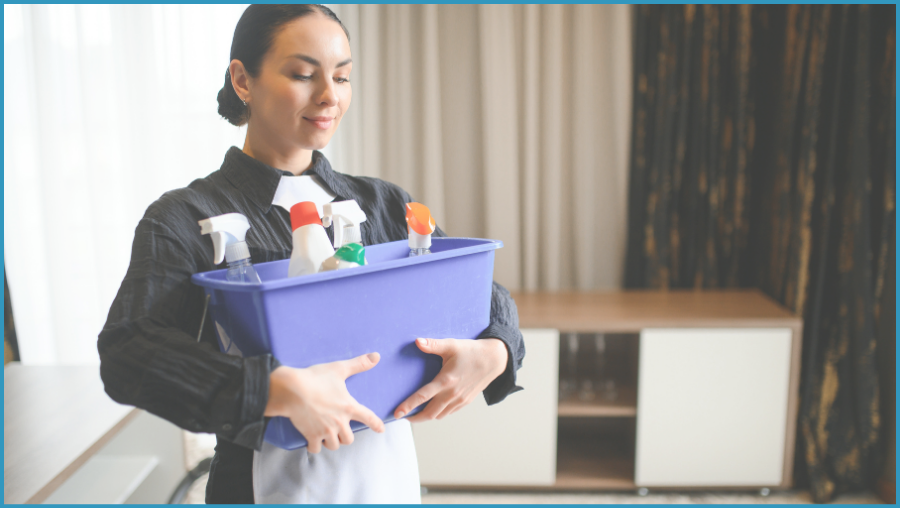
Typical Turnover Responsibilities
Depending on the written plan, a turnover may include:
- kitchen and bathroom cleaning;
- routine dusting and cleaning of reachable guest-facing surfaces;
- vacuuming, sweeping, and mopping included floors;
- trash removal to the property’s designated location;
- dishes and approved appliance areas;
- beds, linens, and towels according to the agreed laundry method;
- owner-provided supply restocking and documented staging;
- a final condition check and agreed issue reporting; and
- entry, thermostat, light, window, door, key, and lock-up steps defined by the host.
These are examples, not automatic inclusions. Confirm laundry location and volume, restocking responsibility, inside appliances, patios or balconies, grills, pools or hot tubs, owner storage, lost items, completion photos, damage reporting, and unusually heavy conditions before service.
Use the Vacation Rental Cleaning Checklist for the room-by-room task owner. The checklist should be customized to the property instead of copied as a promise that every task is included.
What Is Deep Cleaning?
Deep cleaning is a condition-based, detailed reset for buildup or lower-frequency work that exceeds routine upkeep. The exact scope depends on the space, materials, accessibility, current condition, selected package, and confirmed add-ons.

Typical Deep-Cleaning Priorities
A confirmed deep-cleaning plan may add more detailed attention to reachable areas such as:
- baseboards, trim, doors, frames, blinds, sills, ledges, fans, and fixtures;
- cabinet fronts and other high-use kitchen or bathroom areas;
- buildup that needs additional material-safe scrubbing or repeated passes;
- reachable furnishings, décor, and uncluttered shelves; and
- other priorities named in the selected package and quote.
Do not assume that deep cleaning includes moving heavy appliances or furniture, inside appliances, interior or exterior windows, carpet or upholstery treatment, garages, patios, grills, pools, hot tubs, hauling, pest work, mold or sewage remediation, biohazard cleanup, repairs, restoration, or regulated disinfection. Some items may be separate services; others may be unavailable or require a qualified specialist.
Tidy Upped’s current Deep Cleaning service describes Tidy Refresh, Tidy Detail, and Tidy Intensive and identifies separately priced add-ons. The quote—not this comparison article—controls the actual package and scope.
Turnover Cleaning vs Deep Cleaning: The Key Differences
The fastest way to decide is to compare the property’s required handoff with its current condition.
| Choose turnover cleaning when | Consider deep cleaning when |
|---|---|
| The next need is the documented between-stay clean and reset | Visible buildup or neglected detail exceeds the normal checklist |
| The property’s routine rooms, surfaces, floors, trash, and agreed reset fit the confirmed plan | Additional kitchen, bathroom, trim, cabinet-front, fixture, or other detailed work needs its own labor allowance |
| Laundry, restocking, staging, inspection, and reporting responsibilities are already defined | A long stay, high occupancy, pets, seasonal use, an event, or a maintenance project has changed the condition |
| No specialty hazard, remediation need, damage, or repair is present | The provider needs to assess whether the condition is cleanable, an add-on, a specialist task, or outside scope |
Turnover cleaning does not mean “surface-only,” and deep cleaning does not mean “like new.” Both services should identify the accessible areas, material limitations, included tasks, exclusions, products, timing, and escalation process before work begins.
Cleaning, Sanitizing, and Disinfecting Are Different
Routine cleaning removes dirt and most germs from surfaces. The CDC says regular cleaning is enough in most household situations and recommends disinfection in addition to cleaning when someone is sick or at higher risk. When sanitizing or disinfecting is called for, clean first and use a product that is appropriate for the surface and intended use.
Follow the current product label and material instructions for dilution, contact time, rinsing, ventilation, protective equipment, storage, and disposal. EPA notes that its registered-disinfectant lists change as products and labels change and that inclusion is not an endorsement. Do not mix products or transfer them into unlabeled containers.
Neither “turnover” nor “deep cleaning” automatically means regulated disinfection, mold remediation, sewage cleanup, or biohazard work.
When Should You Schedule a Deep Cleaning?
Schedule from evidence at the property, not a generic calendar alone. Consider a deeper assessment when:
- buildup remains after the regular, material-appropriate turnover tasks;
- baseboards, trim, cabinet fronts, fixtures, blinds, ledges, or other agreed details need more attention than the turnover window allows;
- a long stay, high occupancy, pets, seasonal closure, event, or change in use has altered the condition;
- the property is preparing for a new season, recurring service, owner use, or another planned reset;
- a maintenance project has finished and the resulting condition is within ordinary cleaning scope; or
- repeated turnover notes show that the same detail work is being deferred.
Pause and escalate instead of treating the issue as a deep-cleaning task when there is suspected mold, pests, sewage, biohazard material, damaged electrical equipment, loose or broken materials, active leaks, structural concerns, or another condition requiring an owner or qualified specialist. Cleaning does not diagnose or repair the cause.
How Often Should You Deep Clean Your Airbnb or Vacation Rental?
There is no reliable universal three-, four-, or six-month schedule. Review the property after turnovers and adjust the plan when its condition or operating pattern changes.
Useful frequency inputs include:
- number of stays and total occupied nights;
- average stay length and checkout condition;
- property size, layout, and surface materials;
- pet policy and actual pet occupancy;
- kitchens, fireplaces, grills, pools, hot tubs, patios, balconies, and other amenities;
- seasonal use, events, weather exposure, and local conditions;
- laundry, inventory, and storage methods;
- recurring observations from the checklist or condition reports; and
- owner standards, manufacturer care instructions, and any applicable platform or property rules.
A calendar reminder can prompt an inspection, but it should not replace the condition assessment. One property may need selected detail tasks sooner while another may not need the same scope. Record what is accumulating, assign the right task owner, and update the quote when work exceeds the current plan.
Combining Deep and Turnover Cleaning
The services can be scheduled together when the combined scope is realistic for the available access and time. The written plan should keep the guest-to-guest priorities visible instead of letting optional detail work displace the next handoff.
Before combining services, confirm:
- which turnover tasks must be completed first;
- which deep-cleaning areas are added;
- whether laundry, restocking, staging, inspection, or reporting is included;
- which appliance, window, textile, exterior, amenity, or specialty tasks are separate;
- what happens if the starting condition is heavier than described;
- who can approve a scope, timing, or price change; and
- how incomplete work, damage, maintenance, or hazards are documented and escalated.
Using one provider may simplify coordination when that provider offers both services, but it does not guarantee availability or results. The confirmed scope, staffing, access, products, communication, and inspection process still control the work.
How to Choose the Right Cleaning Service
Choose turnover cleaning when the immediate need is the property’s defined between-stay reset. Choose deep cleaning when the condition calls for more detail or buildup removal. Request both only when the provider has reviewed the added work and confirmed that the timing and scope are workable.
When comparing a DIY plan or professional provider, ask:
- What exactly is included and excluded?
- How are size, beds, baths, condition, laundry, restocking, access, and timing reflected in the price?
- Who supplies products, equipment, clean linens, and guest inventory?
- Are inside appliances, interior windows, outdoor areas, grills, carpets, upholstery, or specialty work separate?
- How are damage, lost items, shortages, maintenance concerns, and unusual conditions reported?
- What happens when the condition or required work differs from the original description?
- Is there enough time for the confirmed scope and a separate final check?
For Tidy Upped, compare the current Vacation Rental Cleaning and Deep Cleaning pages. Then request a quote with the property, booking window, laundry method, restocking needs, condition, priority areas, and requested add-ons. The confirmed quote determines the service—not a generic article table.
Frequently Asked Questions
What’s included in a turnover cleaning?
A turnover cleaning resets the agreed guest-facing areas after one stay and before the next use. Depending on the property plan, it may include kitchen and bathroom cleaning, dishes, linens and towels, trash, dusting, floors, restocking, staging, inspection, issue reporting, and lock-up. Confirm laundry, inside appliances, outdoor areas, grills, unusual loads, deep buildup, maintenance, photos, and other add-ons instead of assuming they are included.
How often should I deep clean my Airbnb?
Use the property’s condition instead of a universal interval. Occupancy, stay length, pets, seasonality, amenities, surface materials, visible buildup, maintenance work, and owner standards can all change when detail work is needed. A scheduled inspection can help, but the observed condition should control the scope.
Can the same cleaner provide turnover and deep cleaning?
Sometimes. Ask whether the provider offers both services, has enough time and staffing for the property, and can define the turnover priorities, deep-cleaning additions, exclusions, add-ons, and escalation process in writing. One provider can simplify coordination but does not guarantee availability or a particular result.
How long do turnover and deep cleaning take?
There is no reliable universal duration. Property size, layout, starting condition, laundry, dishes, restocking, amenities, access, selected package, product directions, number of cleaners, and the final check all affect timing. Estimate from the actual property and confirmed scope.
How much do turnover and deep cleaning cost?
Pricing depends on the property and service plan. Useful inputs include size, bed and bath count, condition, selected deep-cleaning level, laundry or linen tasks, restocking, access, add-ons, and the time available before the next use. Request a property-specific quote instead of applying a generic multiplier or national price range.
Does deep cleaning remove damage, mold, or every stain and odor?
No. Cleaning may remove some soil, residue, buildup, staining, or odor sources when the material and condition allow, but it cannot promise restoration or correct damage, leaks, pests, mold growth, sewage, biohazards, failed finishes, structural issues, or every stain or odor. Report the condition and use the appropriate owner, maintenance, restoration, remediation, or specialist process.
