

A clean bathtub is more than a matter of appearance. Regular bathtub cleaning helps prevent the buildup of bacteria, mildew, and skin irritants. These can all affect your health and the overall hygiene of your bathroom. In fact, research highlighted by Verywell Mind explains how maintaining a clean environment can positively influence mental well-being and reduce stress. Over time, soap scum, hard water stains, and grime can make even the most beautiful tubs look dirty and worn. By following simple bathtub cleaning techniques, you can extend the life of your tub and make your bathroom a more inviting space.
Different bathtub materials like acrylic, fiberglass, and porcelain require specific cleaning methods. Using the wrong products can damage surfaces or leave behind residue. This guide covers effective cleaning strategies and products for every type of tub, offering step-by-step advice to ensure a thorough clean. Knowing how to properly clean your bathtub saves both time and money in the long run.
Table of Contents
Key Takeaways
Common Bathtub Cleaning Challenges
Bathtubs face daily challenges, from personal care products to hard water deposits. Grime builds up in corners and on surfaces, and frequent use can cause discoloration or even mold. Cleaning bathtubs can seem daunting, especially when dealing with stubborn stains or tough buildup. Without the right tools or knowledge, the process can take longer than expected and produce mixed results.
Key challenges include:
- Soap scum that sticks to tub walls
- Hard water stains causing discoloration
- Mold and mildew growth in damp areas
- Rust stains on porcelain surfaces
Learning effective bathtub cleaning techniques helps address these issues quickly. With the right cleaning products—like baking soda, vinegar, and gentle dish soap—you can restore shine and cleanliness to your tub. This guide will also highlight when it makes sense to call in professionals for deeper cleaning.
The Essentials of Bathtub Cleaning Products
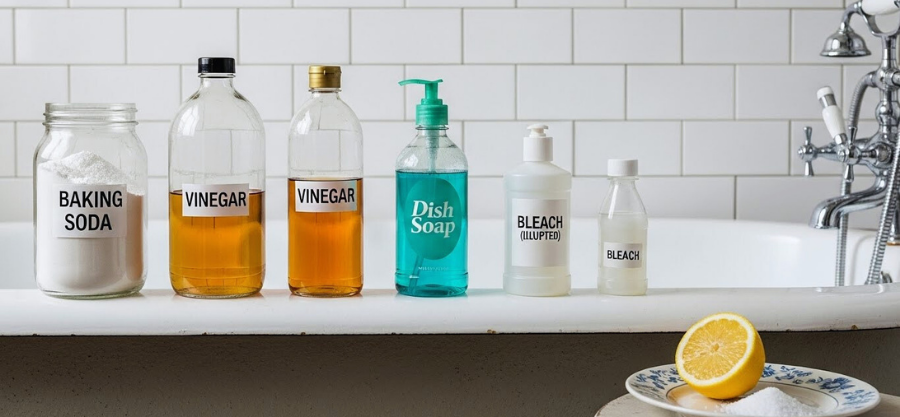
Choosing the right products is crucial for bathtub cleaning. Non-abrasive sponges, gentle cleaners, and eco-friendly methods are recommended to protect all tub surfaces. For everyday maintenance, simple items like baking soda, vinegar, and dish soap are both effective and safe. Specialized products are available for tougher stains or unique tub materials.
Here’s a quick look at essential bathtub cleaning products:
| Product | Use Case |
|---|---|
| Baking soda | General scrubbing |
| Vinegar | Removing hard water |
| Dish soap | Everyday cleaning |
| Bleach (diluted) | Mold and mildew removal |
| Lemon juice & salt | Rust stain treatment |
By understanding these basics, you’ll be prepared to tackle any bathtub cleaning job. This guide will walk you through each technique in detail, helping you achieve a spotless and healthy bathroom.
Essential Cleaning Supplies
Basic Cleaning Tools
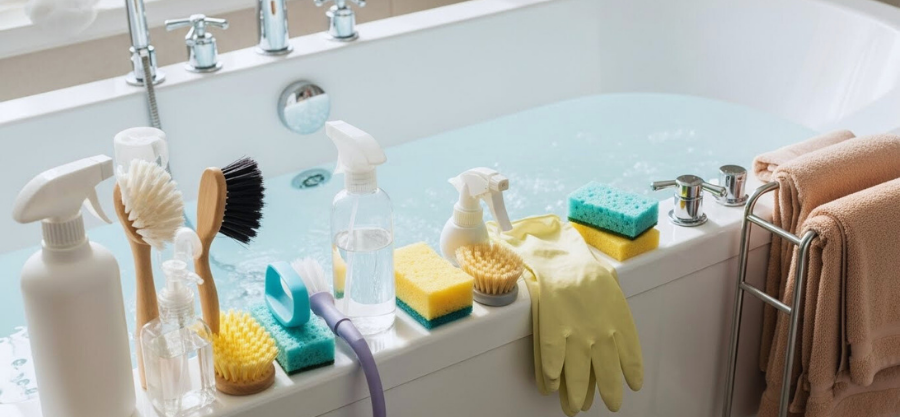
Gathering the right cleaning tools is the first step to effective bathtub cleaning. Non-abrasive sponges are key for scrubbing both acrylic and fiberglass surfaces. Soft brushes work well for targeting grout, corners, and textured areas without damaging the tub. Rubber gloves protect your hands from dirt and cleaning agents. Microfiber cloths make wiping and drying easier, leaving the tub spotless and streak-free. A spray bottle is also useful for applying homemade or commercial cleaning solutions evenly.
Use goggles when cleaning with strong products like bleach to shield your eyes from splashes. For hard-to-reach places or detailed scrubbing, small toothbrushes help remove buildup and grime. These simple tools can make cleaning more thorough and proper.
Effective Cleaning Agents
Choosing the right cleaning agents protects your bathtub and ensures a deep clean. Baking soda works as a gentle abrasive for scrubbing away grime and stains. Distilled white vinegar removes soap scum and mineral deposits, especially on acrylic and fiberglass tubs. Mild dish soap cuts through oils and is safe for most bathtub materials. Bleach can be used for tackling mold and mildew on porcelain, but must be handled with care.
For natural cleaning, combine equal parts vinegar and warm water in a spray bottle. This solution is safe for routine cleaning and avoids harsh chemicals. Lemon juice and salt target rust stains on porcelain tubs. Always check manufacturer guidelines before using any cleaner, especially on delicate surfaces.
Additional Supplies for Tough Jobs
Some stains and buildup require more specialized products. Commercial bathroom cleaners are available for heavy-duty cleaning, but always read the label to make sure they are safe for your tub’s material. Towels may be needed to soak or cover stubborn areas, such as when applying vinegar to fiberglass tubs. Plastic scrapers help remove tough spots without scratching the surface. Having a bucket nearby can make rinsing the tub quick and controlled, avoiding water spots.
A table can help organize your supplies:
| Tool/Cleaner | Best For |
|---|---|
| Non-abrasive sponge | General scrubbing |
| Baking soda | Stain and grime removal |
| Vinegar solution | Soap scum and mineral deposits |
| Dish soap | General cleaning |
| Bleach | Mold and mildew (porcelain only) |
| Microfiber cloth | Drying and wiping |
| Rubber gloves | Hand protection |
With the right supplies on hand, bathtub cleaning becomes easier and less stressful.
Step-by-Step Cleaning Techniques
Preparation and Safety
Before cleaning, clear all bath items from the tub. This includes shampoos, soaps, and bath toys. Open a window or turn on a fan for proper ventilation. Put on gloves and goggles, especially if using strong cleaning agents like bleach. These steps protect your skin and eyes. Safety is important and prevents injury while cleaning.
Have your cleaning supplies ready. You may need baking soda, vinegar, dish soap, sponges, towels, and a spray bottle. For porcelain tubs, keep lemon juice and salt nearby for rust stains. Each bathtub material requires different care, so check the manufacturer’s instructions first.
Cleaning by Bathtub Material

Acrylic Bathtubs: Sprinkle baking soda over the surface. Mix warm water and vinegar in equal parts in a spray bottle. Spray this over the baking soda. Let it sit for ten minutes. Gently scrub to create a paste, then leave it for another twenty minutes. Rinse the tub well, then dry with a towel. Use non-abrasive sponges to avoid scratches.
Fiberglass Bathtubs: Make a paste of baking soda and warm water. Spread it over the tub. Soak clean towels in vinegar and lay them over the paste. Wait an hour, then remove the towels. Gently scrub the tub, rinse away the residue, and dry the surface. Be careful not to use harsh chemicals, which can damage fiberglass.
Porcelain Bathtubs: Plug the drain and mix dish soap with hot water. Use a soft sponge to scrub the tub’s surface. For rust stains, apply a mix of lemon juice and salt. Leave it on the stain for an hour before scrubbing. For mold or mildew, dilute bleach with water and apply it to the affected areas. Scrub, rinse thoroughly, and dry the tub completely.
Rinse the tub after each use to prevent soap scum and residue. Wipe down surfaces with a towel to avoid water spots and mildew. Store shampoos and soaps outside the tub to prevent stains and rings. Clean deeply at least once a month for the best results.
Use bleach only when needed. Never mix bleach with vinegar or acidic cleaners as this creates toxic fumes. For stubborn stains or when short on time, consider hiring professional cleaning services. Keeping up with these techniques will maintain a cleaner, healthier bathtub.
Maintaining a Clean Bathtub

Daily and Weekly Maintenance Tips
A clean bathtub starts with regular care. After each use, rinse the tub with warm water. Wipe down surfaces with a soft cloth to remove soap residue and prevent grime buildup. Store bath products outside the tub if possible. This simple habit keeps the surface free from stains. Try to dry the tub’s edges and corners, since damp areas attract mildew.
For weekly cleaning, use mild dish soap and a non-abrasive sponge. Focus on the tub’s floor and sides. These spots collect the most dirt and body oils. Scrub gently in a circular motion. Rinse well to avoid water spots. This routine discourages bacteria and mildew growth. It also makes deep cleaning less of a chore.
Deep Cleaning Schedule and Approaches
A deep clean should happen at least once a month. Start by removing all items, like mats and bottles. Protect your hands with rubber gloves. Ventilate the bathroom by opening a window or turning on a fan. Choose a cleaning method that matches your bathtub’s material. For acrylic bathtubs, sprinkle baking soda, spray with vinegar, then let it sit. For fiberglass, make a baking soda paste and cover with vinegar-soaked towels. For porcelain, use dish soap in hot water for basic cleaning. Tackle rust with lemon juice and salt. For mold, use diluted bleach, being careful not to mix it with acidic cleaners.
Table: Bathtub Cleaning Frequency and Methods
| Bathtub Material | Regular Cleaning | Deep Cleaning |
|---|---|---|
| Acrylic | ish soap, soft sponge | Baking soda, vinegar; gentle scrubbing |
| Fiberglass | Mild cleaner, non-abrasive pad | Baking soda paste, vinegar towels |
| Porcelain | Dish soap, soft sponge | Lemon juice, salt, diluted bleach |
Preventing Stains and Buildup
Preventing stains helps keep tubs looking new. Always rinse away shampoo, soap, and bath oils after use. Wipe down the tub to prevent water spots. Avoid using harsh chemicals on delicate surfaces. For stubborn spots, use targeted methods, like lemon for rust or vinegar for soap scum. Store soaps and bottles outside the tub or on a tray to avoid marks. Regular care means less scrubbing later and keeps your bathroom fresh.
Troubleshooting Common Problems
Dealing with Stubborn Stains and Discoloration
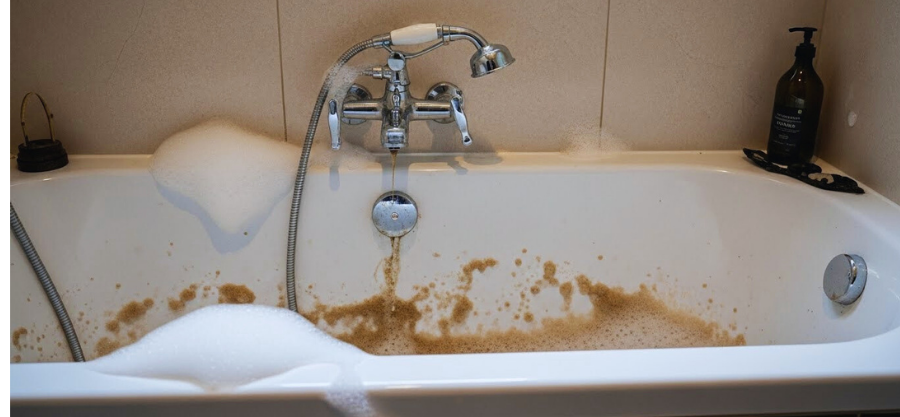
Stubborn stains are a frequent issue in bathtubs, especially in older tubs or those cleaned less often. Rust, hard water deposits, and soap scum can all cause discoloration. For rust stains, sprinkle baking soda on the area and apply lemon juice. Let it sit for at least an hour. Then, scrub gently with a non-abrasive sponge. If stains persist, use a paste of hydrogen peroxide and baking soda, letting it rest before scrubbing again. Always check the cleaning solution is safe for your bathtub’s material.
Soap scum forms a cloudy film on the tub’s surface. To tackle this, mix equal parts white vinegar and dish soap in a spray bottle. Spray the mixture, let it sit for 15 minutes, then scrub in circles. Rinse well to clear away residue. Avoid using harsh cleaners on acrylic or fiberglass tubs, as they can scratch the finish.
Preventing and Removing Mold and Mildew
Mold and mildew thrive in moist, poorly ventilated bathrooms. Early signs include dark spots or patches and a musty smell. To remove them, dilute bleach with water following safety guidelines. Apply the mixture to affected areas, scrub with a soft brush, then rinse and dry the surface. For acrylic tubs, use baking soda and vinegar instead, as bleach can damage the finish.
To prevent mold and mildew, wipe down the tub after each use. Leave the bathroom door open or run an exhaust fan to reduce humidity. Keeping bath products out of the tub can also prevent mold from forming underneath them. Regular maintenance is key to a mold-free bathtub.
Addressing Scratches
Scratches and dullness can result from abrasive scrubbers or harsh chemicals. For minor scratches on acrylic or fiberglass, use a mix of baking soda and water. Gently buff the scratches with a soft cloth. For porcelain tubs, use a porcelain repair kit for deeper scratches. Avoid abrasive pads to keep finishes looking new.
Residue from bath oils or cleaners can make the tub slippery or sticky. Clean the tub with warm water and dish soap, rinsing thoroughly. Always dry the tub with a towel to prevent water spots and residue. If residue persists, review products used and switch to gentler, eco-friendly options. Molly Maid suggests regular upkeep and professional cleaning for problems that don’t resolve with standard methods.
Conclusion
Cleaning a bathtub is vital for maintaining a healthy and inviting bathroom. Using the right techniques and products can protect different tub materials, like acrylic, fiberglass, or porcelain. Molly Maid and The Spruce both recommend non-abrasive sponges and gentle cleaners. Baking soda, vinegar, and dish soap work well for most surfaces. Regular cleaning removes grime, prevents bacteria and mildew, and stops skin irritants from building up. To keep your bathtub in top shape, deep clean at least once a month and rinse the surface after every use.
Different bathtubs require unique approaches. Acrylic tubs need gentle scrubbing and avoidance of harsh chemicals. Fiberglass bathtubs benefit from vinegar-soaked towels and a baking soda paste. Porcelain tubs can be scrubbed with hot, soapy water and, for rust stains, lemon juice and salt. Always make sure to wear gloves, keep the area ventilated, and store bath items outside the tub.
When to Call in the Professionals
Not everyone has time, supplies, or expertise to tackle tough bathroom cleaning tasks. For deep stains or persistent mildew, professional help may be the best option. Molly Maid offers services tailored to your needs, using eco-friendly methods and focusing on high-touch areas like bathtubs. They provide satisfaction guarantees and flexible cleaning schedules, so you can enjoy a spotless bathroom without added stress.
If you notice discoloration, stubborn buildup, or foul smells in your bathtub, it might be time to call in a cleaning company. Professionals have the right tools and knowledge to restore your tub safely, without risking damage to delicate surfaces. Consider their services for move-in, move-out, or regular deep cleans.
When to Call in the Professionals
Not everyone has time, supplies, or expertise to tackle tough bathroom cleaning tasks. For deep stains or persistent mildew, professional help may be the best option. Tidy Upped offers services tailored to your needs, using eco-friendly methods and focusing on high-touch areas like bathtubs. They provide satisfaction guarantees and flexible cleaning schedules, so you can enjoy a spotless bathroom without added stress.
If you notice discoloration, stubborn buildup, or foul smells in your bathtub, it might be time to call in a cleaning company. Professionals have the right tools and knowledge to restore your tub safely, without risking damage to delicate surfaces. Consider our services for move-in, move-out, or regular deep cleans.
Maintaining a Clean Bathtub for the Long Term
A clean bathtub brings comfort and helps preserve the quality of your bathroom fixtures. Make a routine of rinsing and wiping down your tub after each use. Choose the right products for your specific bathtub material. Avoid mixing bleach with acidic solutions, and store bath items on shelves rather than inside the tub.
By following these guidelines and knowing when to seek help, you can keep your bathtub looking and feeling fresh. Consistent care protects your investment and ensures a healthy space for everyone in your home.

Leave A Comment