

When I think about how to clean a couch, I realize it’s not just about appearances. Couches collect dust, crumbs, pet hair, and allergens over time. With regular use, stains and odors begin to settle into the fabric. Experts featured by Real Simple often recommend using the right upholstery cleaner for your specific fabric type to protect fibers while effectively removing buildup. A clean couch supports a fresh, healthy living space. I know that regular cleaning can extend the life of my furniture and keep my home feeling cozy and welcoming for guests and family.
I’ve learned that following a consistent cleaning schedule helps prevent deep-set grime from becoming a bigger issue. A well-maintained couch makes a noticeable difference in the overall look of my living room. Plus, it reduces sneezing and irritation for anyone sensitive to dust, allergens, or pet dander.
Table of Contents
Key Takeaways
Common Culprits That Dirty a Couch
From movie nights to snack spills, my couch faces daily challenges. Kids, pets, and even daily lounging cause wear and tear. Sometimes, a simple accident can leave a stubborn stain. Food, drinks, and muddy paws are frequent offenders. Over time, body oils and sweat can cause discoloration.
I pay attention to these common sources so I can act quickly. Spot cleaning right away is the best way to prevent stains from becoming permanent. By knowing what causes dirt and stains, I feel more confident about how to clean a couch and keep it looking new.
Benefits of Knowing How to Clean a Couch
Learning how to clean a couch has changed my cleaning game. I love that I can manage most messes myself using simple tools and safe cleaning products. My living space stays fresh, which makes every gathering more enjoyable.
By keeping my couch clean, I know I’m creating a healthier environment. The process is easier than I once thought. I look forward to sharing tips and easy methods that keep my favorite spot looking and feeling brand new.
Assessing Your Couch Material

Identifying Your Couch Fabric
Before you start learning how to clean a couch, you first need to identify what material your couch is made of. Most couches fall into one of a few categories: fabric, leather, or synthetic blends. Each has different cleaning needs. You should check the manufacturer’s tag under the cushions for cleaning codes or fabric details. This tag often uses codes like “W” for water-based cleaners, “S” for solvent cleaners, or “WS” for both. If the tag is missing, look up the couch model online for fabric information. Knowing the correct material helps you avoid damage and choose safe cleaning methods.
Understanding your couch’s fabric affects how you approach daily maintenance. Some fabrics can shrink or discolor if cleaned with the wrong solution. Leather and faux leather require special conditioners to stay soft, while microfiber handles water-based cleaners better but still needs gentle care. Identifying your couch material is the first step to keeping it looking new.
Choosing the Right Cleaning Products
Once you know your couch material, you can select cleaning products designed specifically for that fabric. For fabric couches, you may use a mild soap mixed with water or a vinegar solution. Avoid harsh scrubbing to prevent pilling. For leather couches, choose a gentle leather soap or conditioner and apply it with a soft cloth. Stay away from excessive water, as it can stain leather.
Synthetic materials are generally more forgiving, but you should still test any cleaner on a hidden area first. Using the right product keeps your couch clean without leaving residue or fading the color. This careful selection is essential when learning how to clean a couch thoroughly. Products made for your couch’s fabric help extend its life and keep it looking fresh.
Special Tips for Delicate Materials
Some couches are made with delicate fabrics like linen, velvet, or suede, which require extra care. For velvet, gently vacuum using an upholstery attachment and use a dry-cleaning solvent only if the manufacturer recommends it. Suede benefits from a suede brush and occasional light steaming to lift stains. Avoid soaking delicate fabrics. Instead, treat spills as soon as they happen by blotting—not rubbing.
Knowing how to clean a couch made of delicate materials means using gentle techniques, acting quickly on stains, and following manufacturer guidelines to prevent permanent damage.
Basic Cleaning Techniques
Regular Couch Maintenance
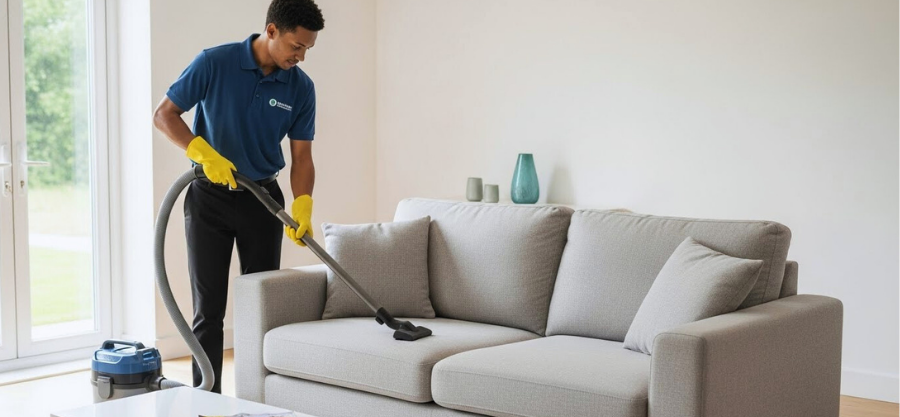
When you think about how to clean a couch, the first step is always regular maintenance. Grab your vacuum cleaner and use the upholstery attachment to remove dust, crumbs, and pet hair. Make sure to get into the crevices and under the cushions. Doing this weekly prevents dirt from building up and makes deep cleaning much easier. For leather couches, wipe down the surfaces with a dry microfiber cloth to keep them looking fresh.
Another helpful habit is rotating and fluffing the cushions. This simple step prevents sagging and uneven wear. By taking just a few minutes each week, you’ll notice a big difference in how new your couch looks and feels. Keep an eye out for spills or stains and address them right away to prevent permanent marks.
Deep Cleaning Steps
Sometimes, regular surface cleaning isn’t enough. That’s when you move on to deeper cleaning. For fabric couches, start by checking the care tag for cleaning codes before using any products. Mix a small amount of gentle dish soap with warm water, lightly dampen a clean cloth, and blot dirty areas. For tougher stains, use a vinegar-and-water solution or a store-bought upholstery cleaner that matches your couch’s fabric.
If you have a steam cleaner, use it according to the manufacturer’s instructions. Steam penetrates deeper into the upholstery, helping remove embedded dirt and bacteria. For leather couches, apply a leather soap or conditioner made for furniture. Always test any product on an inconspicuous area first to avoid damage.
Disinfecting and Odor Control
When you need to disinfect your couch—especially after someone has been sick—rubbing alcohol is a safe option for many fabrics. Pour it into a spray bottle, lightly mist the surface, and let it dry. This helps kill germs without soaking the fabric. To eliminate odors, sprinkle baking soda over the cushions and vacuum it up after about 20 minutes. This simple step keeps your couch smelling fresh.
By following these methods, you can easily keep your couch clean and inviting. With consistent care, your couch can stay looking new for years.
Deep-Cleaning Methods
Preparing to Deep Clean Your Couch
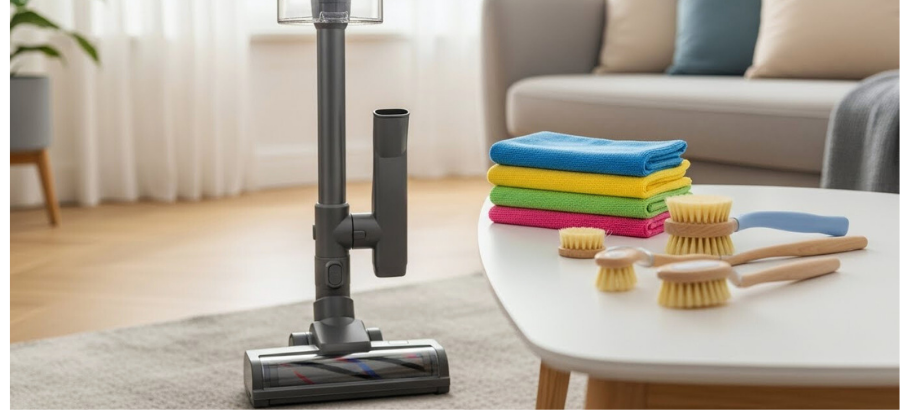
Before starting any deep-cleaning method, always check the care label on your couch. This helps you determine which techniques are safe to use, since how you clean a couch depends on its fabric. Next, gather your supplies: a vacuum with an upholstery attachment, microfiber cloths, gentle brushes, and appropriate cleaners. You may also prepare a homemade solution, such as a mix of mild dish soap and water for most fabrics or a vinegar-and-water solution for tougher stains.
Remove all cushions and throws to gain better access to every part of the couch. Then vacuum the surface, crevices, and seams to eliminate dust, crumbs, and pet hair. This initial step makes the deep-cleaning process far more effective. Regular vacuuming is essential for keeping your couch fresh and reducing allergens.
Deep Cleaning Techniques
Once the couch is vacuumed, focus on thoroughly cleaning it using the appropriate method. For fabric sofas, lightly spray your cleaning solution onto a small section, then gently blot and scrub with a microfiber cloth. Work in small areas to avoid oversaturating the fabric, as excess moisture can damage the filling and frame. For deeper stains, allow the solution to sit for a few minutes before blotting.
For leather couches, use a leather soap or a store-bought cleaner specifically designed for leather. Apply it sparingly with a soft cloth, then buff the surface dry. Avoid harsh cleaners, as they can strip away the leather’s natural oils. For stubborn spots, a diluted white vinegar and water solution can help lift grime. After cleaning, apply a leather conditioner to restore softness and shine.
Disinfecting and Finishing Touches
For added protection, you can disinfect your couch using a simple DIY solution. Mix equal parts rubbing alcohol and water in a spray bottle, lightly mist the fabric, and let it dry completely. This helps kill bacteria and neutralize odors without soaking the couch. For leather surfaces, use disinfectant wipes made specifically for leather.
To finish, allow the couch to air-dry in a well-ventilated area, then fluff the cushions and replace the throws and pillows. Following these steps makes it easy to keep your couch clean, cozy, and fresh.
Preventative Measures for Longevity
Establishing a Regular Cleaning Routine

One of the best ways I keep my couch looking new is by committing to a regular cleaning schedule. I vacuum my couch at least once a week, using the upholstery attachment to get into crevices and along seams. This routine removes dust, pet hair, and crumbs before they settle deeper into the fabric. By staying on top of this simple task, I prevent dirt from grinding down the fibers or causing stains.
Alongside vacuuming, I rotate and fluff my cushions every few weeks. This helps maintain their shape and ensures even wear. I find that flipping the cushions also exposes each side to light and air, reducing the risk of moisture build-up and odors. A quick wipe with a dry microfiber cloth on leather couches keeps the surface free of oils and dust.
Protective Measures for Daily Use

To reduce how often you need deep cleaning, use protective strategies. Place washable throws or slipcovers on your couch, especially if you have guests or pets at home. These covers catch spills, pet hair, and dirt, making cleanup much easier. When a throw needs cleaning, you can simply toss it in the wash, helping protect the couch itself from frequent scrubbing.
Avoid eating messy foods on the couch, and encourage family members to do the same. This reduces crumbs and the risk of stains. If a spill does occur, blot it immediately with a clean towel to keep it from soaking into the upholstery. Acting quickly is key to cleaning a couch efficiently and maintaining its appearance over time.
Environmental Factors and Upholstery Care
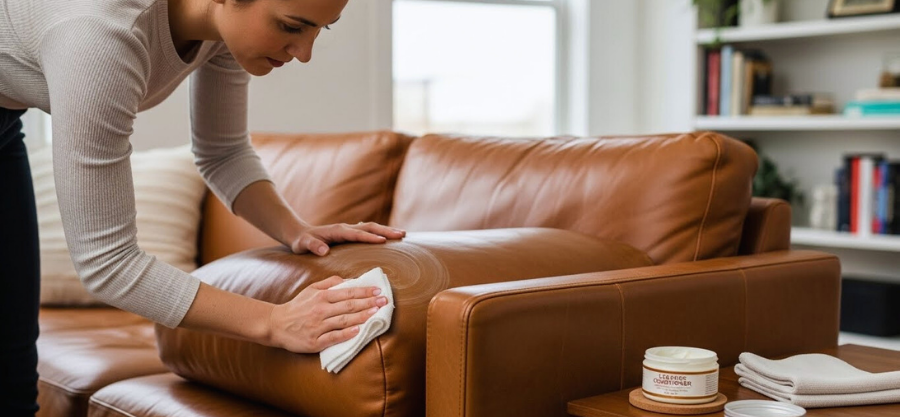
Environmental factors also play a big role in couch longevity. Keep your couch out of direct sunlight to prevent fading and fabric wear. If that isn’t possible, close the blinds during the brightest parts of the day. For leather couches, apply a conditioner every few months to keep the material supple and prevent cracking.
Always use cleaning products designed for your couch’s specific material. For fabric, a vinegar solution works well, while leather soap is ideal for leather. Test any new product on a hidden area first to make sure it won’t cause damage. Following these steps helps you master how to clean a couch and ensures it stays fresh and inviting for years.
If keeping up with couch care ever feels overwhelming, professional help is always an option. When you need expert couch cleaning, Tidy Upped can take care of it for you. With the right tools, products, and experience, you can trust Tidy Upped to deep clean your couch safely and effectively—so it stays fresh, comfortable, and well-maintained without the stress.

Leave A Comment