

If you live in West Texas — Lubbock, Amarillo, Midland, Odessa, or anywhere across the High Plains and Panhandle — you know the feeling. The sky turns orange. The wind picks up to 60, 70, sometimes 80 miles per hour. And then the wall of dust arrives, blocking out the sun and coating everything in a fine, gritty layer of West Texas earth.
Whether it’s a haboob rolling in off the South Plains or a slower-building duster stirred up by drought conditions, the aftermath is the same: dust on every surface, dust in your HVAC system, dust in your lungs — and a lot of cleaning to do.
This guide walks Texas homeowners through exactly how to clean up after a dust storm, step by step, safely and efficiently. We cover what to clean first, how to clean it without making things worse, and how to protect your home from the next one.
Table of Contents
Key Takeaways
Texas Dust Is a Health Issue, Not Just a Mess
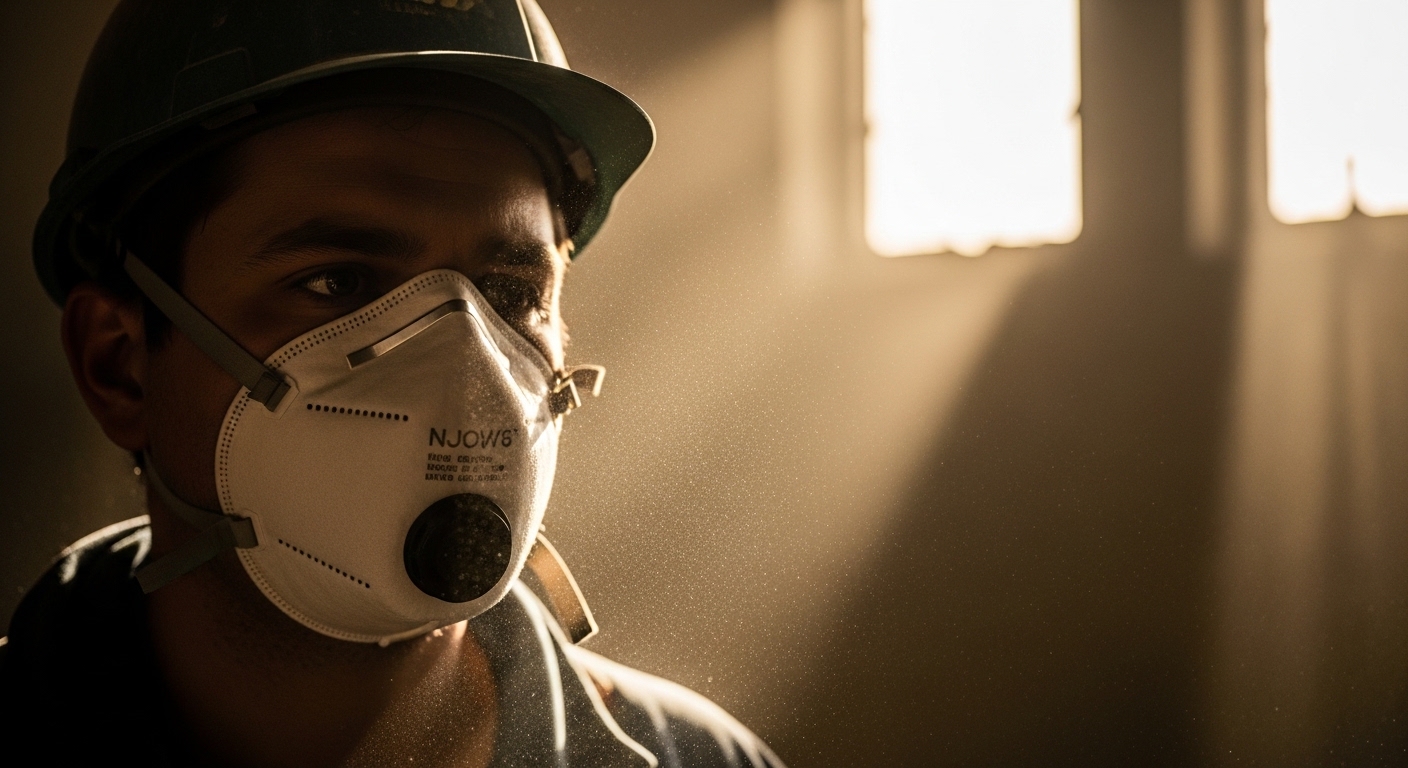
West Texas dust isn’t just dirt. Physicians at Texas Tech University Health Sciences Center have documented ‘haboob lung syndrome’ — a serious respiratory condition caused by inhaling fine dust particles after a major storm. The dust carries bacteria, fungi, viruses, agricultural chemicals, and fine silica particles that can cause respiratory infections, worsen asthma, and in severe cases, require hospitalization. Clean up quickly — and clean up smart.
Understanding Texas Dust Storms: What You’re Dealing With
Texas dust storms — particularly those in the High Plains around Lubbock and the Panhandle near Amarillo — are among the most intense in the United States. Here’s what makes them uniquely challenging to clean up after:
What’s Actually in West Texas Dust?
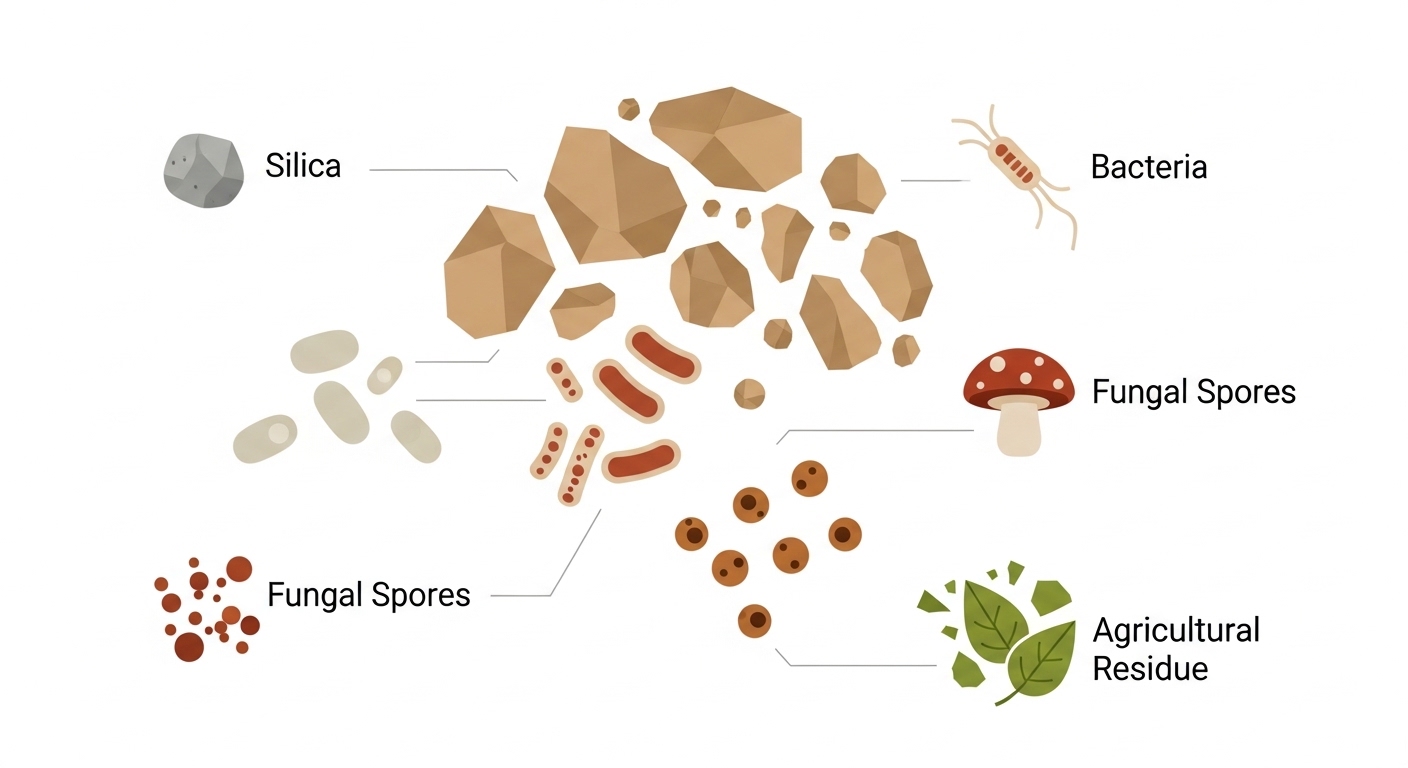
West Texas dust is primarily topsoil from surrounding agricultural land — loose, dry, fine-grained material with nothing to anchor it in drought conditions. But it also contains:
- Fine silica particles (PM2.5 and PM10) that penetrate deep into lungs and can linger in indoor air for days
- Agricultural residue including trace amounts of fertilizers and pesticides from surrounding farmland
- Bacteria, fungi (including Coccidioides, which causes Valley Fever in rare cases), and viruses carried in the soil
- Cladosporium mold spores, which studies from Texas Tech have linked to increased allergy and asthma episodes in Lubbock on dust storm days
- Fine clay and silt particles that bond to surfaces when they settle, making them harder to remove than ordinary household dust
Most Affected Texas Regions
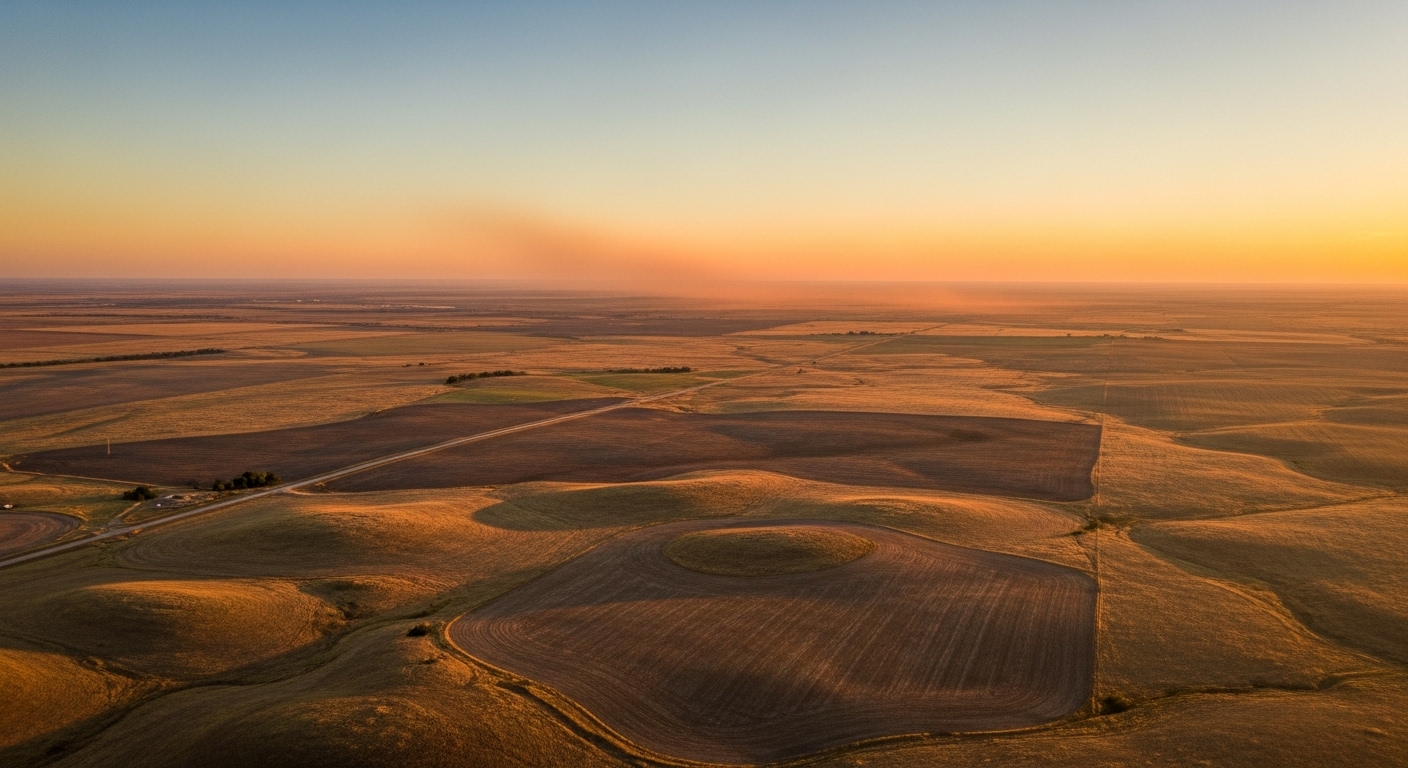
Dust storms are most frequent in the High Plains (Lubbock, Plainview, Levelland), the Panhandle (Amarillo, Borger, Pampa), and West Texas (Midland, Odessa, Big Spring, San Angelo, El Paso). During drought years — which Texas has experienced repeatedly in recent years — these events can occur dozens of times per season and last anywhere from a few minutes to 14+ hours.
Why Indoor Air Gets So Bad
Even a well-sealed Texas home is not immune. Research cited by Texas Tech Physicians found that even in a sealed home, up to 15–30% of outdoor particulate levels can penetrate indoors during a major dust event. Add to that whatever dust entered while household members were outside, tracked in on clothing and shoes, or entered through HVAC systems before filters were overwhelmed — and your indoor air quality can be significantly compromised well after the storm passes.
The EPA has documented that indoor pollution levels can run two to five times higher than outdoor levels in normal conditions. After a Texas dust storm, that ratio can spike dramatically.
Before You Start Cleaning: Safety First
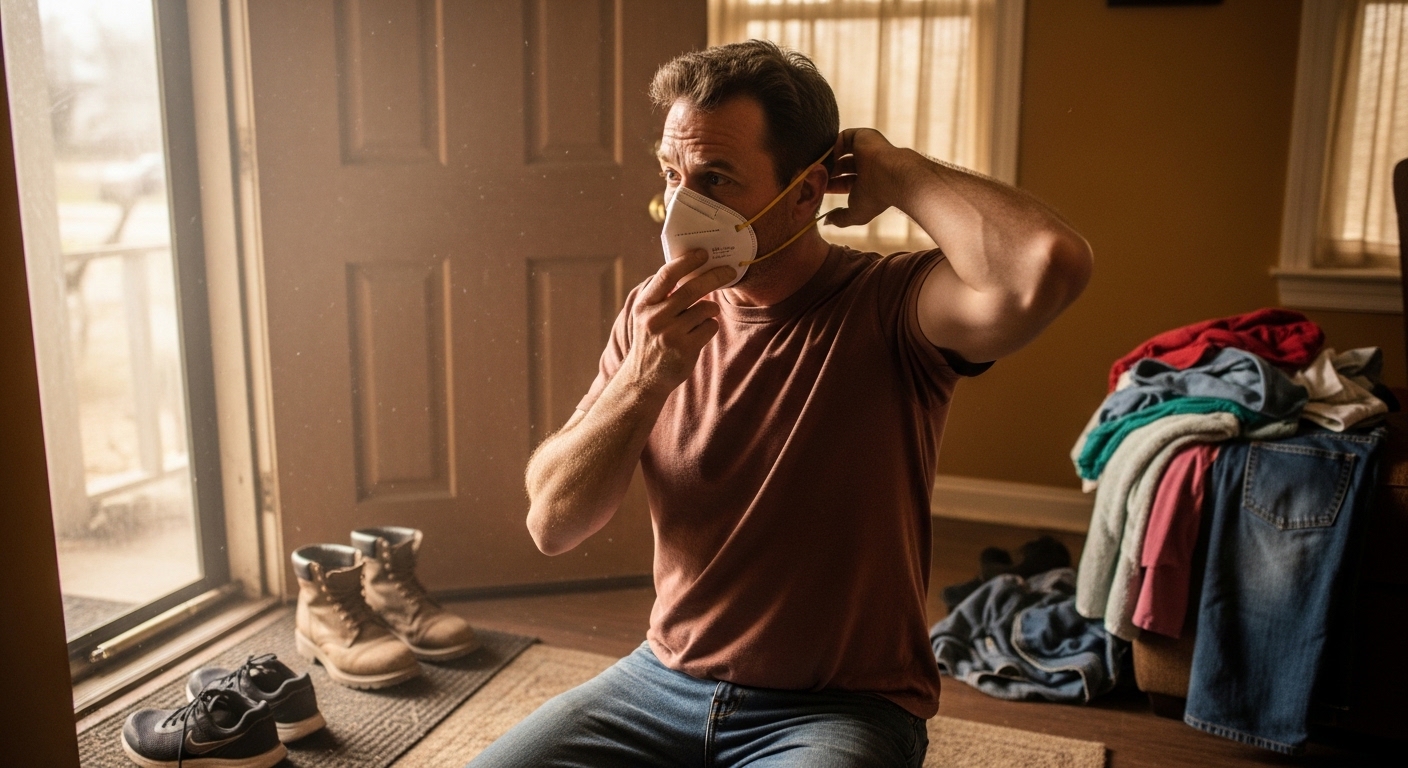
Don’t rush into cleaning immediately after a storm. Take these steps first to protect yourself and avoid making indoor air quality worse:
- Wait for the outdoor dust to fully settle before opening any windows or doors. Check local air quality reports — the Texas Commission on Environmental Quality (TCEQ) and weather apps like AirNow show real-time AQI levels for your area.
- Wear an N95 mask while cleaning indoors. Fine dust stirred up during cleaning can re-enter your lungs. A standard cloth mask is not sufficient for PM2.5 particles.
- Change your clothes before you begin — clothes worn during or just after the storm carry dust you’ll spread throughout your home while cleaning.
- Keep children and elderly family members in a clean room (or ideally, out of the house) while major cleaning is underway. They are most vulnerable to dust particle inhalation.
- Replace your HVAC air filter before running your system. Running the system with a clogged or overwhelmed filter will push particulate dust throughout every room. This is your single most important first step.
Supplies to Have Ready
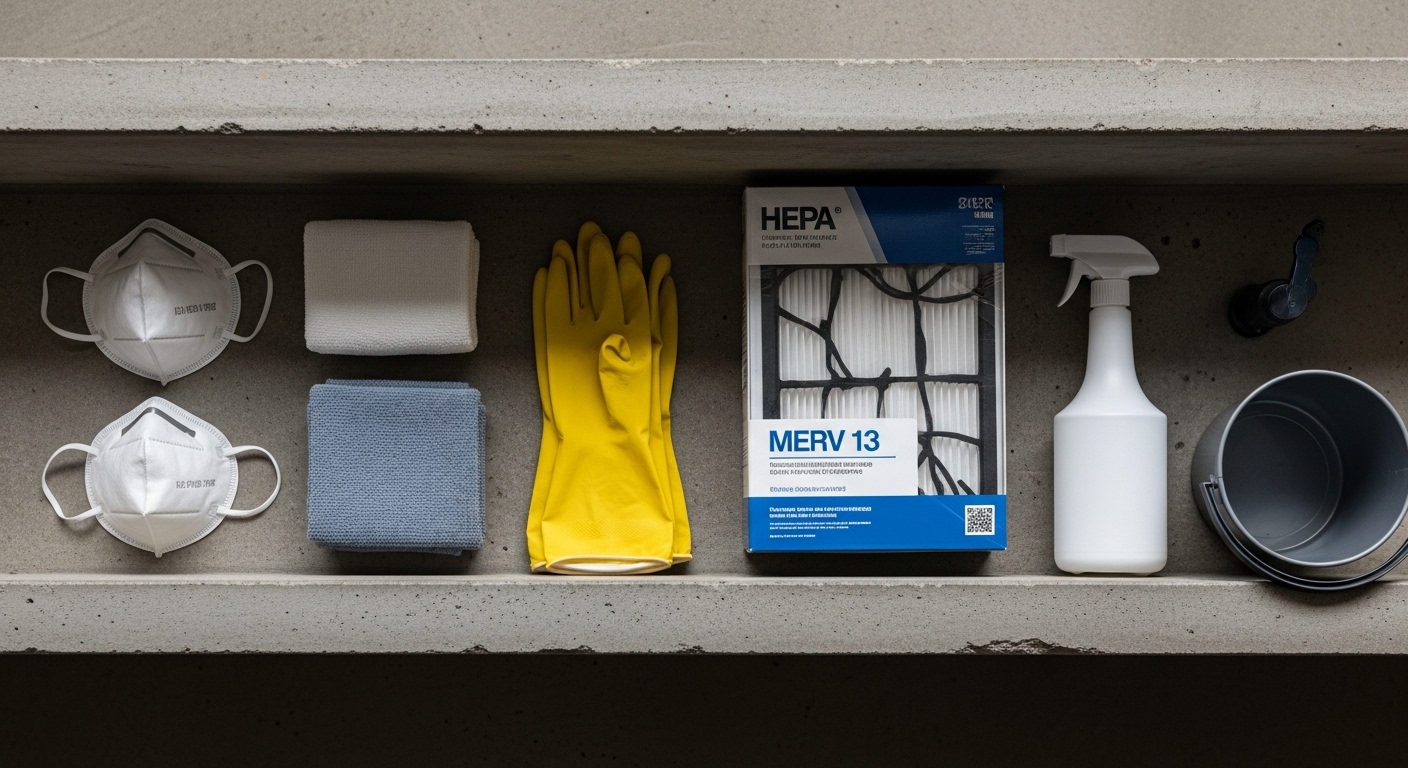
Microfiber cloths (at least 10–12) • Bucket of warm water with a few drops of dish soap • Wet mop and clean mop head • HEPA-filter vacuum • N95 masks • Rubber gloves • Replacement HVAC filters (MERV 13 or higher recommended after storm events) • Spray bottles for damp wiping • Laundry baskets for fabrics and bedding
Post-Storm Cleaning Priority Order
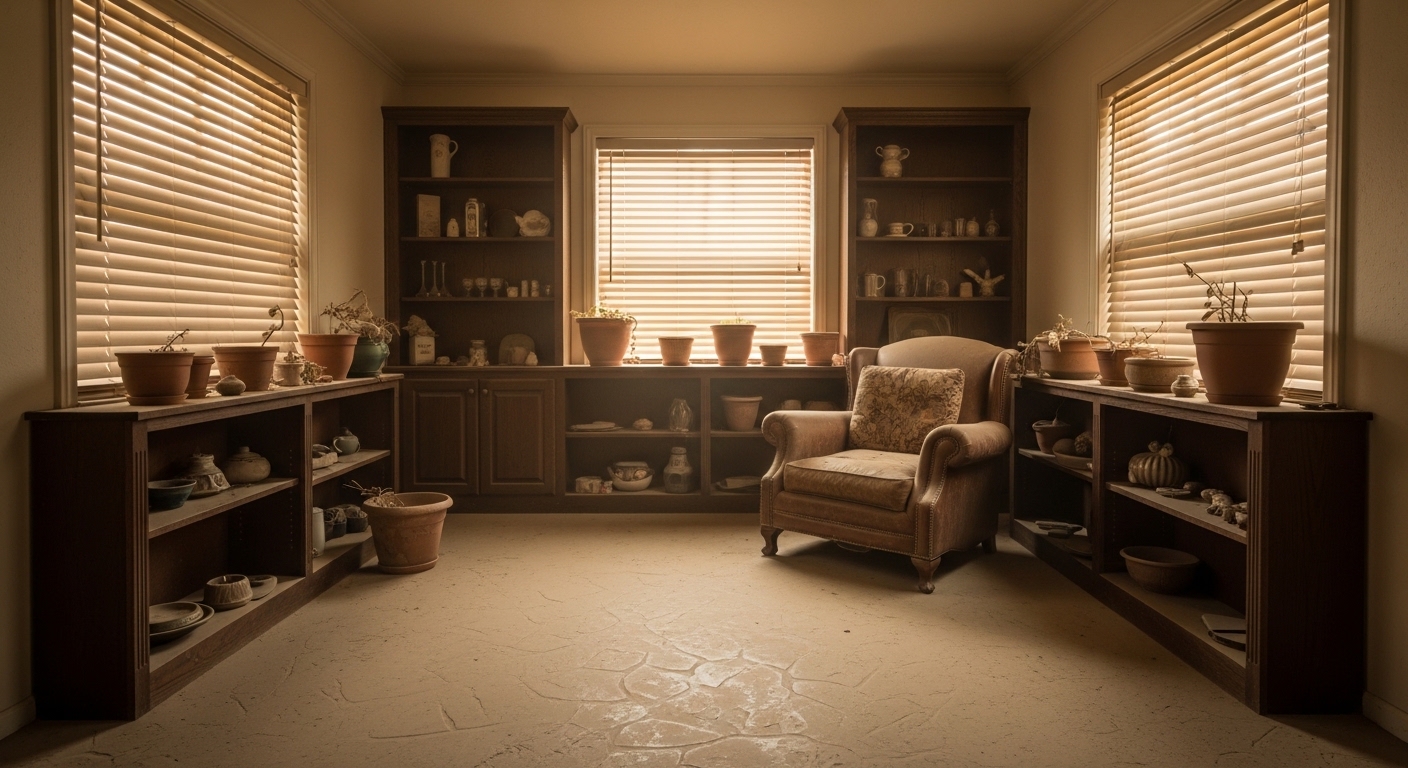
When your whole house is covered in dust, it’s easy to feel overwhelmed. Here’s the exact sequence to follow for the most effective cleanup:
| Priority | Task | Why It Matters |
|---|---|---|
| 🔴 FIRST | Replace HVAC air filter | Prevents recirculating dust through your home |
| 🔴 FIRST | Run air purifier on highest setting | Starts clearing PM2.5 particles immediately |
| 🔴 FIRST | Keep windows closed (briefly) | Outdoor air may still carry suspended dust |
| 🟡 SECOND | Wipe all surfaces with damp cloth | Traps dust without re-suspending it |
| 🟡 SECOND | Wet-mop hard floors | Brooms scatter fine particles; mops collect them |
| 🟡 SECOND | Vacuum carpets (HEPA filter only) | HEPA traps fine particles; standard vacuums blow them back |
| 🟡 SECOND | Wash all bedding and soft furnishings | Fabric traps enormous amounts of fine dust |
| 🟢 THIRD | Clean HVAC vents and registers | Prevents dust recirculation over coming days |
| 🟢 THIRD | Clean outdoor AC unit (power off first) | Dust clogs coils and reduces efficiency |
| 🟢 THIRD | Inspect windows/doors for new gaps | Prevents dust intrusion in future storms |
| 🟢 THIRD | Power-wash exterior, patio, and vehicles | Removes abrasive silica that damages surfaces |
Step 1: Tackle Indoor Air Quality First
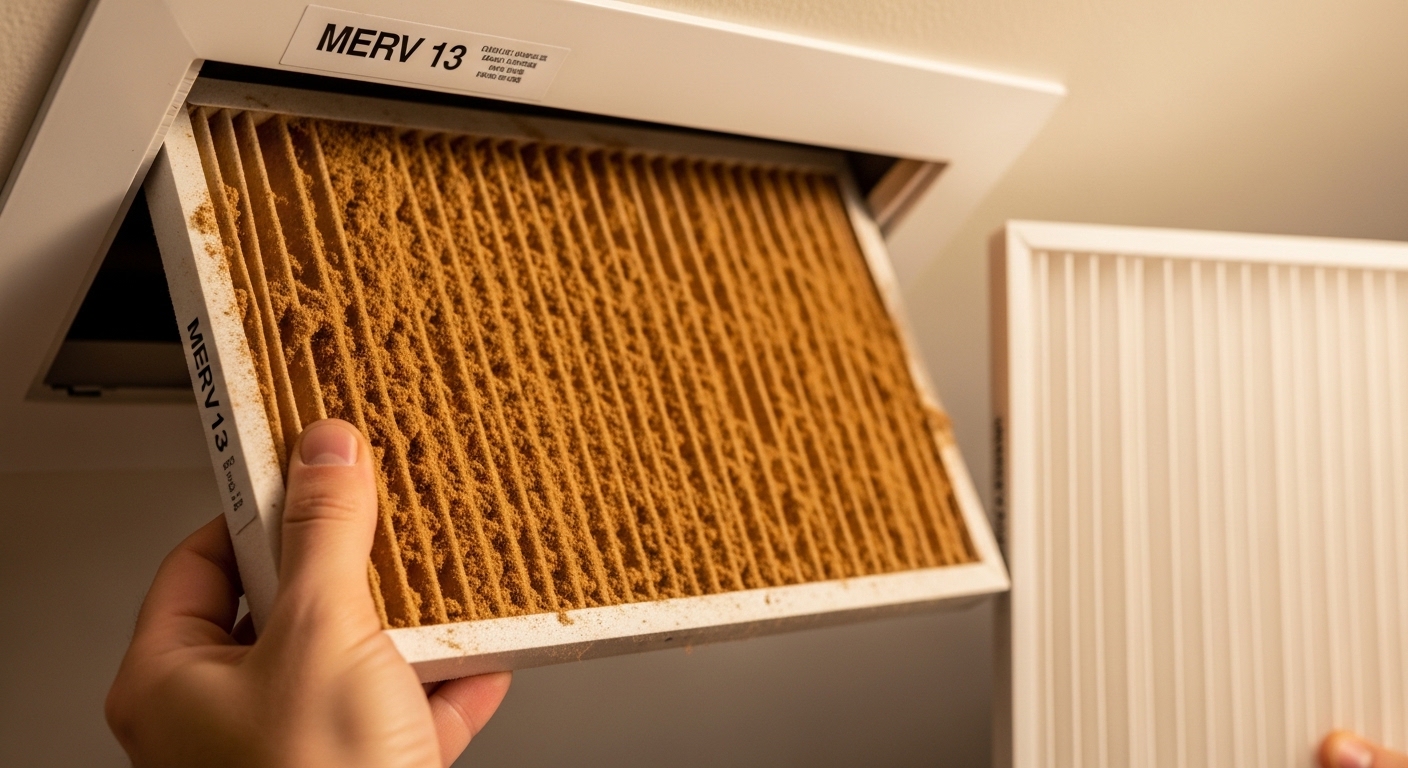
The invisible problem is the most dangerous one. Before you touch a single dusty surface, address the air you’re breathing.
Replace Your HVAC Filter Immediately
This is the single most important post-storm action for Texas homeowners. During a major dust storm, your HVAC filter takes the brunt of particulate loading. A clogged filter forces your system to work harder, reduces airflow, and — most critically — can allow fine particles to bypass the filter entirely and recirculate through every room in your home.
- Replace with a MERV 13 filter or higher after a major storm event — these trap particles as small as 0.3 microns, including fine silica and biological contaminants
- Do NOT turn on your HVAC system until the filter is replaced
- If you suspect dust has penetrated your ductwork, call an HVAC professional for a full duct inspection and cleaning — especially if you notice reduced airflow or a dusty smell when the system runs
Run Air Purifiers on High
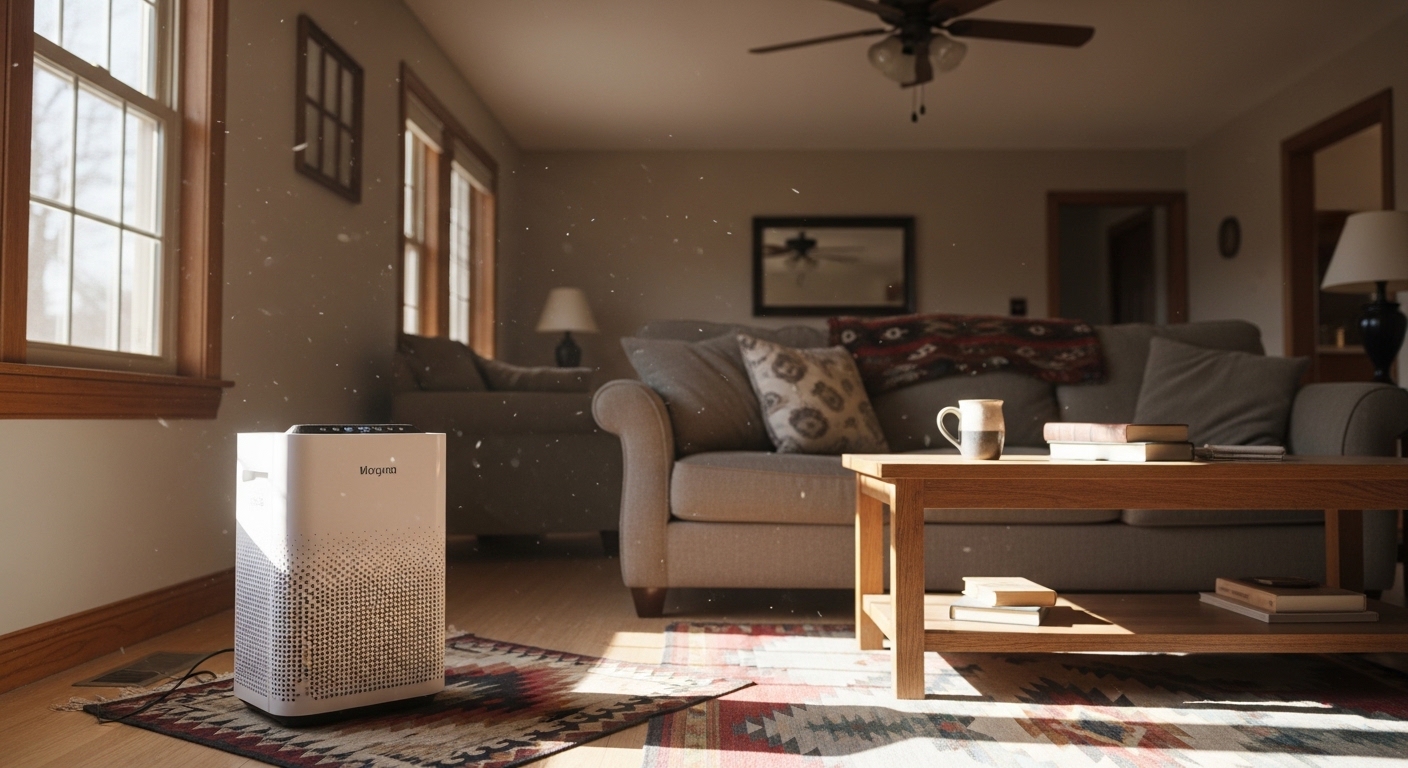
If you have a portable HEPA air purifier, run it on its highest setting immediately — before you even begin surface cleaning. Place it in the room where family members spend the most time (living room or bedroom).
Don’t have an air purifier? Texas homeowners in dust-prone areas can build a highly effective DIY air filter — called a Corsi-Rosenthal box — using a box fan and two MERV 13 filters taped together. Research has shown these DIY units reduce PM2.5 levels by over 40% in tests, outperforming some commercial HEPA units.
Open Windows — But Only When the Time Is Right
Contrary to instinct, opening windows immediately after a dust storm can make indoor air quality worse if outdoor dust is still suspended. Wait until outdoor AQI readings return to a safe level (below 100 on the AirNow scale) and dust is visibly settled before ventilating. When you do open up, cross-ventilate by opening windows on opposite sides of the home to flush stale dusty air out efficiently.
Step 2: The Right Cleaning Techniques for Texas Dust
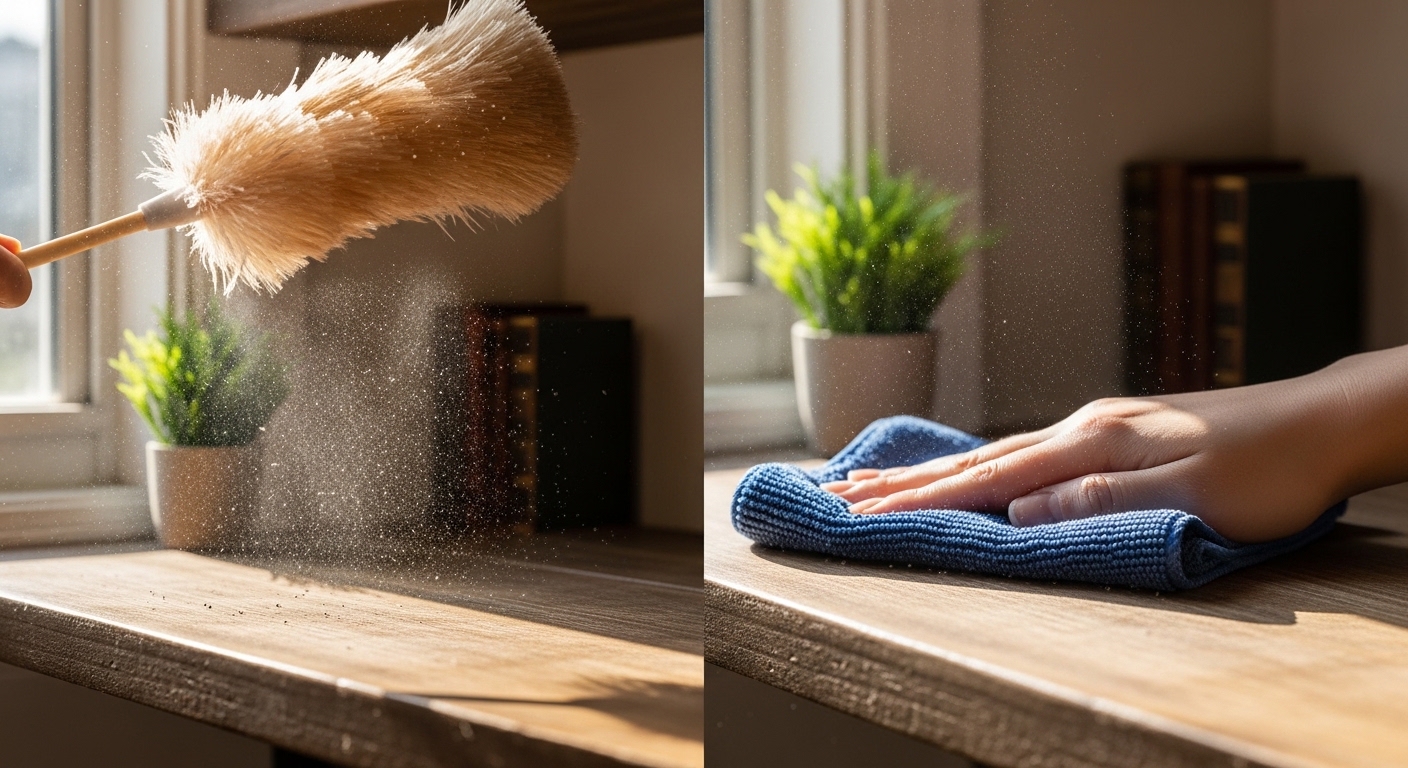
Texas dust is finer and stickier than ordinary household dust. Using the wrong technique will scatter it back into the air, undoing your work and worsening air quality. Follow these rules:
The Golden Rule: Always Damp, Never Dry
- NEVER use a dry duster, feather duster, or dry cloth — these scatter fine particles back into the air
- NEVER dry-sweep hard floors with a broom — again, this resuspends dust you’re trying to remove
- ALWAYS use damp microfiber cloths for surfaces — wring them out so they’re barely damp, not dripping
- ALWAYS wet-mop hard floors with a damp mop and clean water — rinse the mop head frequently
- ALWAYS vacuum with a HEPA-filter vacuum — standard vacuums blow fine particles back out through their exhaust
Cleaning Order: Always Top to Bottom
Dust falls downward. Start at the ceiling and work your way down so that any disturbed dust falls onto surfaces you haven’t cleaned yet, not ones you’ve already done.
- Ceiling fans and light fixtures first
- High shelves, tops of cabinets and appliances
- Wall surfaces and windowsills
- Counters, tables, and furniture surfaces
- Baseboards last, before floors
- Floors last — vacuum first, then damp mop
Step 3: Room-by-Room Cleaning Guide
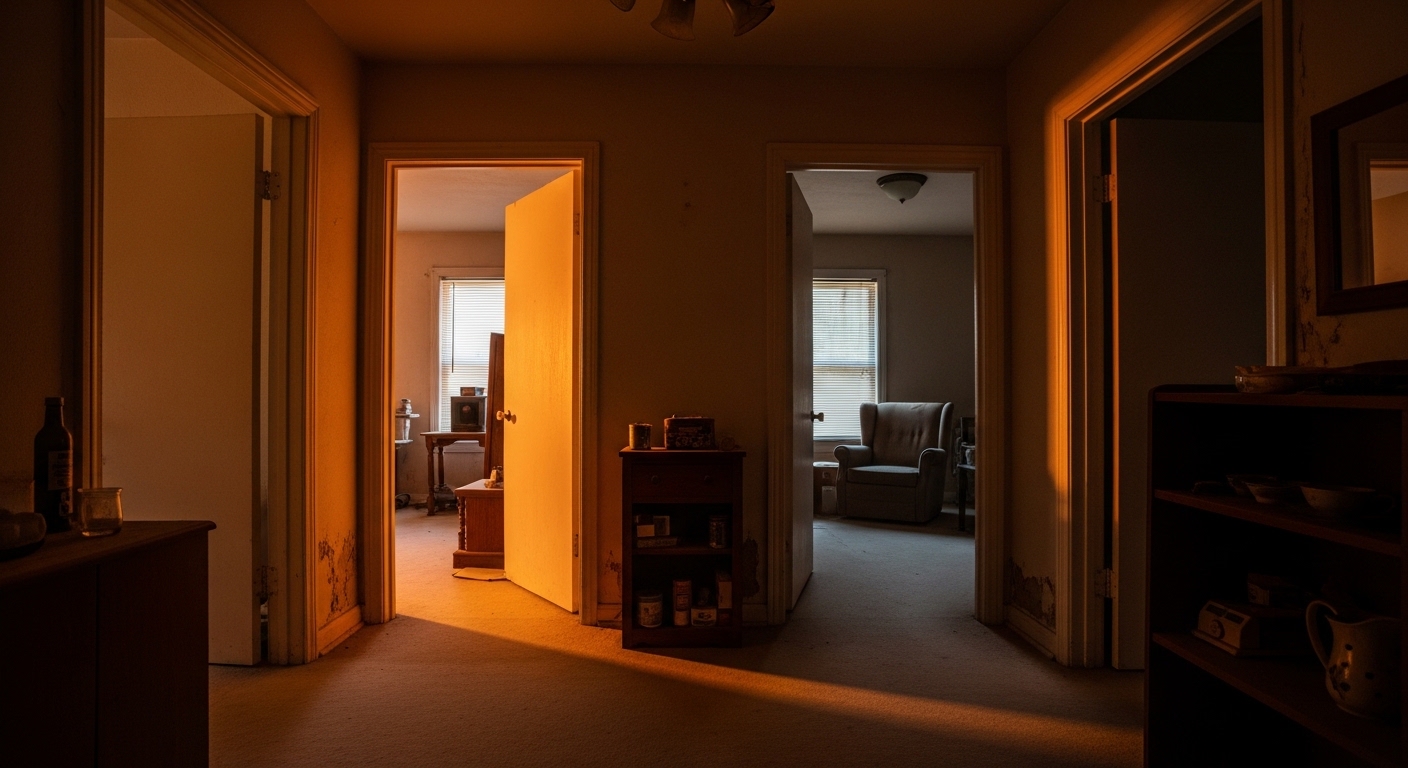
Here’s a quick-reference breakdown of what to tackle in each room, followed by detailed guidance for the most critical areas:
| Room | Key Cleaning Tasks |
|---|---|
| Kitchen | Wipe all counters, appliances, and cabinet fronts with damp cloth. Clean inside the microwave vent and range hood filter. Wipe inside of refrigerator door seals. |
| Living Room | Damp-wipe all hard surfaces, shelves, and electronics. Vacuum upholstery and rugs. Wash throw pillows/blankets. Clean ceiling fan blades. |
| Bedrooms | Wash all bedding, pillowcases, and curtains. Vacuum mattress with HEPA attachment. Wipe down nightstands, dressers, and closet shelves. |
| Bathrooms | Wipe all surfaces with damp cloth. Clean exhaust fan cover. Wash bath mats and towels. |
| Laundry Room | Wipe washer/dryer exteriors. Check and clean the dryer vent (dust worsens fire risk). Wipe down shelving. |
| Garage | Sweep and damp-mop floor. Wipe down stored items and shelving. Inspect weatherstripping on the garage door. |
HVAC System and Air Vents (Most Critical)
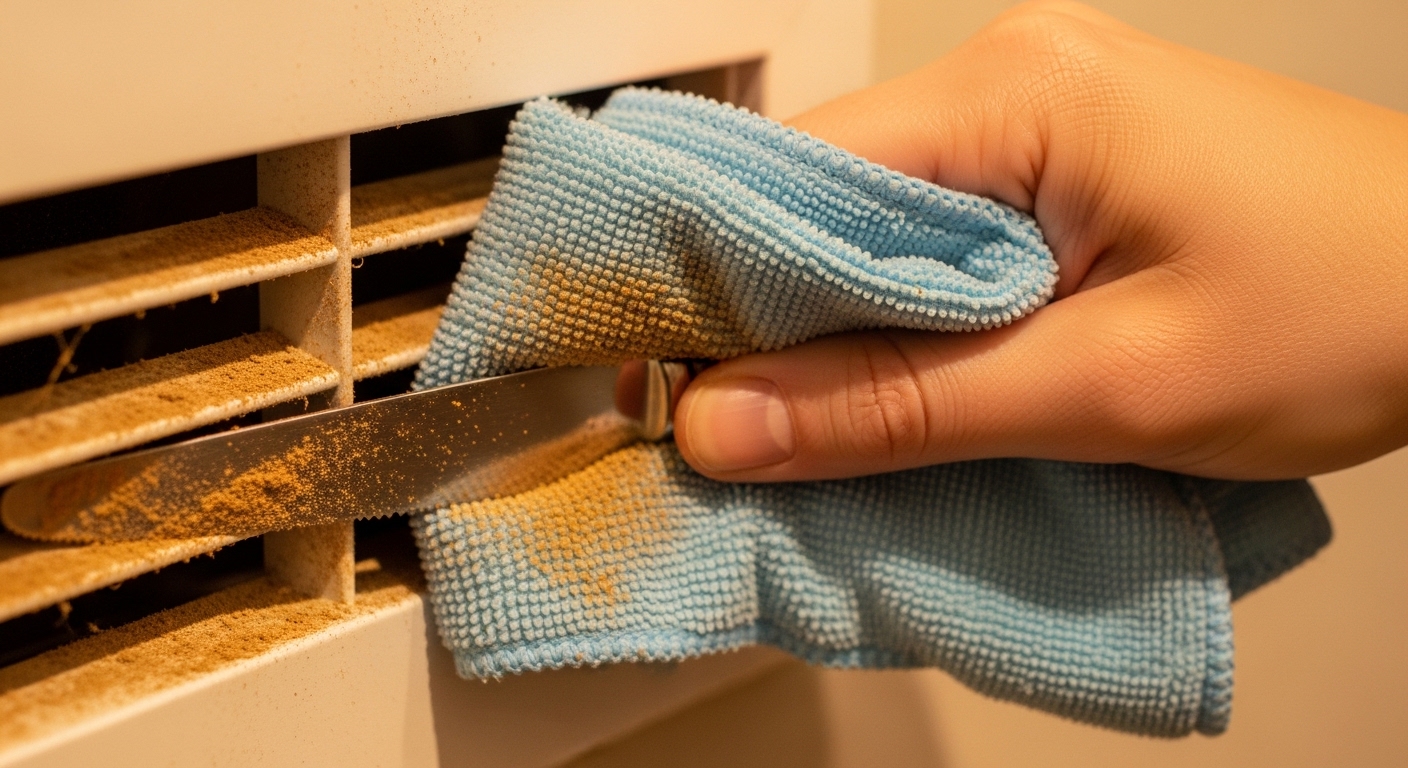
Your HVAC system is your home’s lungs — and after a Texas dust storm, it may have taken in a significant amount of particulate matter. In addition to replacing the air filter, do the following:
- Remove all vent and register covers and wash them with warm soapy water — dry completely before reinstalling
- Use a damp microfiber cloth wrapped around a butter knife or thin tool to wipe inside visible duct openings
- Check the condensation drain line for blockage — fine dust can create a film that blocks drainage
- Inspect the outdoor AC condenser unit: turn power OFF at the breaker, then rinse the exterior coils gently with a garden hose (never a pressure washer) to remove dust buildup that insulates coils and reduces efficiency
- If you notice musty or earthy smells from your vents when the system runs, schedule a professional duct cleaning — dust can introduce mold spores that take hold in ductwork moisture
Living Areas
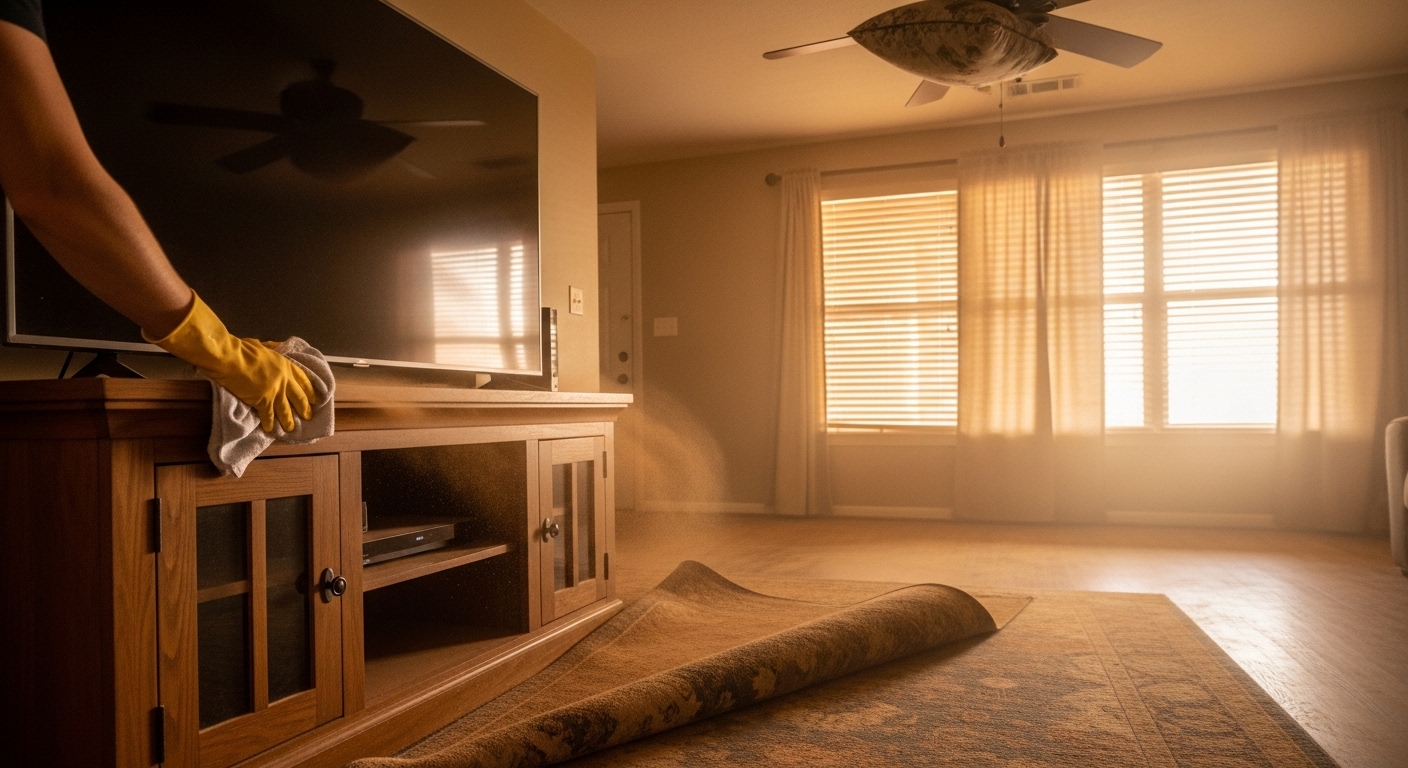
Living rooms and family rooms accumulate the most visible dust and also harbor the most dust in fabric surfaces that aren’t obvious at first glance.
- Wipe all hard surfaces with a barely-damp microfiber cloth: shelves, entertainment center, coffee table, side tables, picture frames
- Use a dry microfiber cloth on TV screens — never water on electronics
- Vacuum all upholstered furniture using the upholstery attachment, working from cushion tops down into crevices
- Wash throw blankets, decorative pillows and pillow covers — these trap substantial amounts of fine particles
- Clean ceiling fan blades with a damp cloth — use the pillowcase method (slide over the blade) to trap dust rather than scatter it
- Wipe all window sills, tracks, and blinds — dust packs densely into window tracks during storms
- Vacuum area rugs thoroughly, then damp-mop any hard flooring underneath
Bedrooms
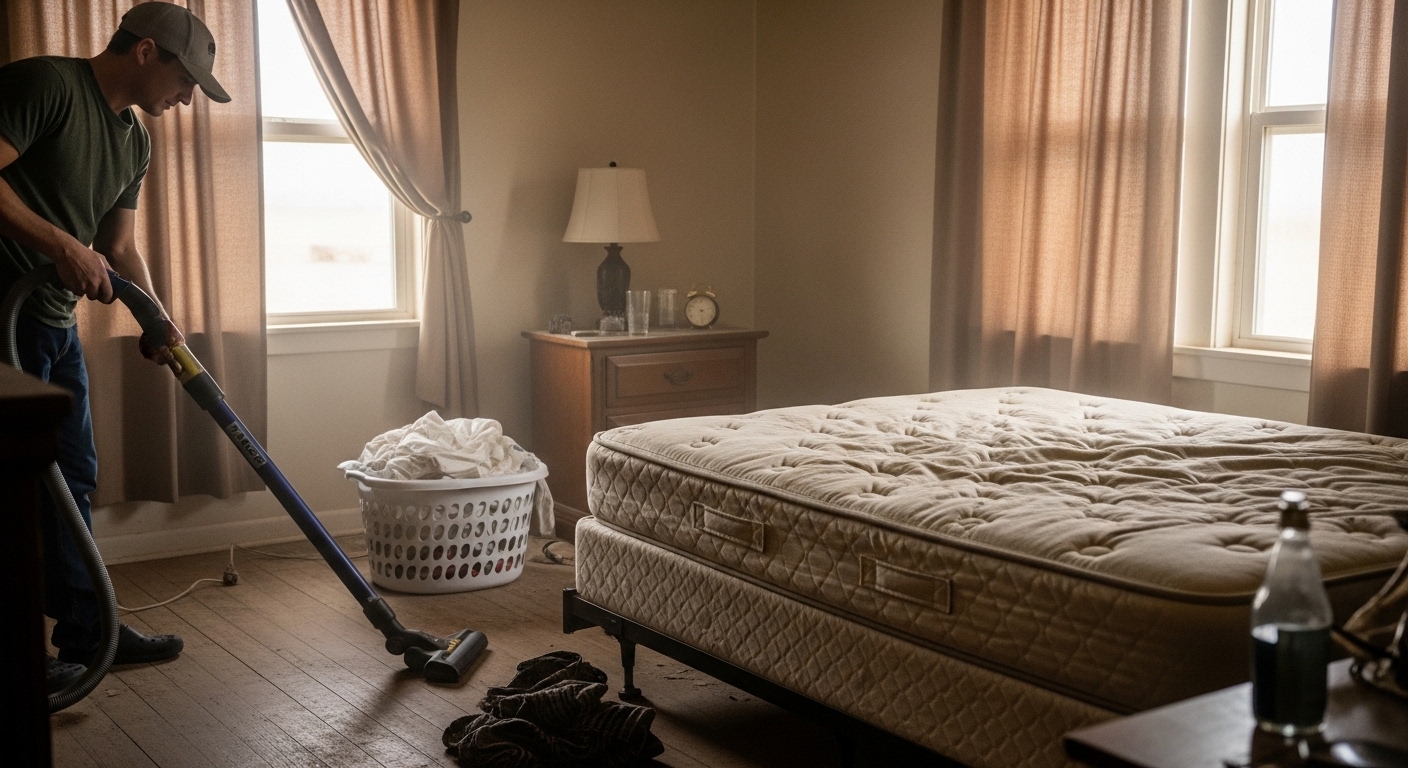
Bedrooms are where your family recovers — and where fine particles have the most damaging effect during hours of sleep-level breathing. Prioritize this room.
- Strip and wash all bedding — sheets, pillowcases, duvet covers, and blankets — in the hottest setting the fabric allows
- Vacuum the mattress using a HEPA-filter attachment before remaking the bed
- Wipe down all bedroom furniture surfaces including headboard, nightstands, dressers, and closet shelving
- Wash or wipe down curtains — fabric window treatments are enormous dust traps
- Clean closet interiors — pull clothing aside and wipe shelves; shake out and air clothing before wearing
- Wipe ceiling fan blades before anything else in the room so falling dust doesn’t re-contaminate cleaned surfaces
Kitchen
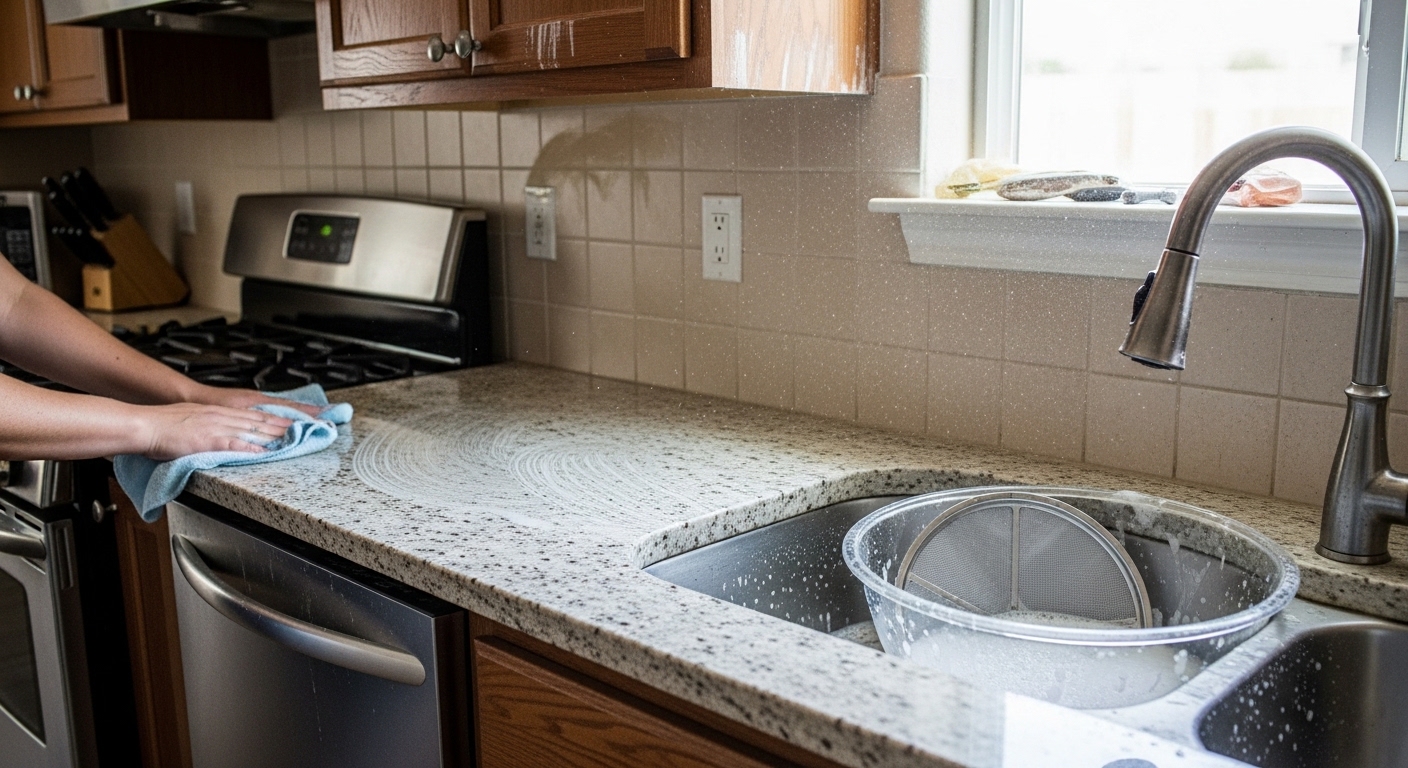
Kitchen surfaces include food prep areas that come into direct contact with what your family eats — treat this room with extra care.
- Wipe all countertops and the inside lip of the sink with a damp cloth, then a food-safe disinfectant
- Wipe down the exterior and interior top of the refrigerator, and clean the door seals where dust accumulates
- Clean the range hood filter — remove it and soak in warm soapy water if it’s a metal mesh type
- Wipe the microwave interior and exterior, especially the vent grille
- Clean cabinet fronts and handles — fine dust clings to the texture of painted wood surfaces
- Run the dishwasher empty on a hot cycle before using it for dishes — check the interior for visible dust first
- Wipe small appliances: toaster, coffee maker, air fryer — and empty and clean any with open vents
Bathrooms
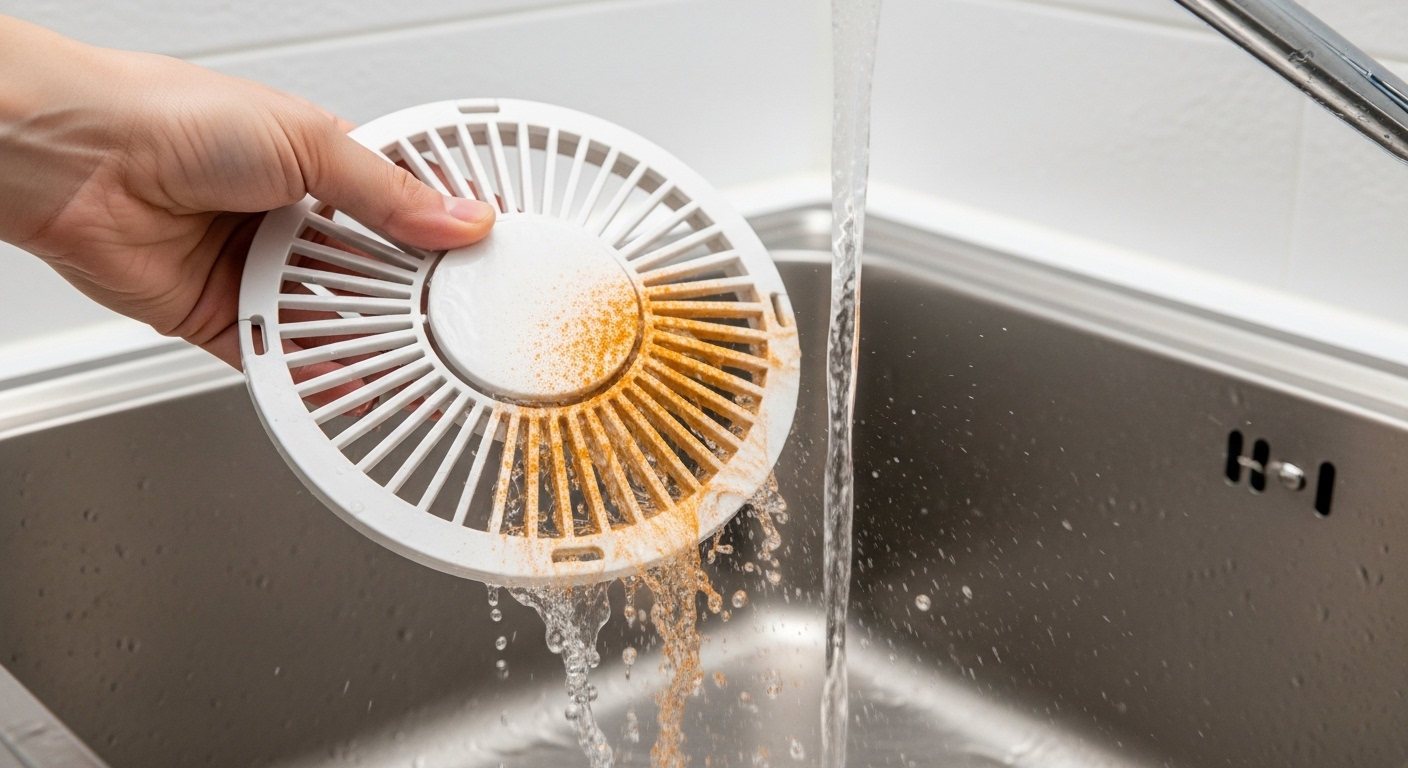
Bathrooms have good water resistance but the exhaust fan can pull in dust during a storm.
- Clean the bathroom exhaust fan cover — remove and wash in warm water; check the fan interior for dust buildup
- Wipe all bathroom surfaces with a damp cloth: counters, mirror surround, toilet tank lid, windowsill
- Wash bath mats, hand towels, and shower curtains
- Check the bathroom window seal — fine dust often accumulates in window tracks and indicates a gap to reseal
Step 4: Outdoor and Exterior Cleanup
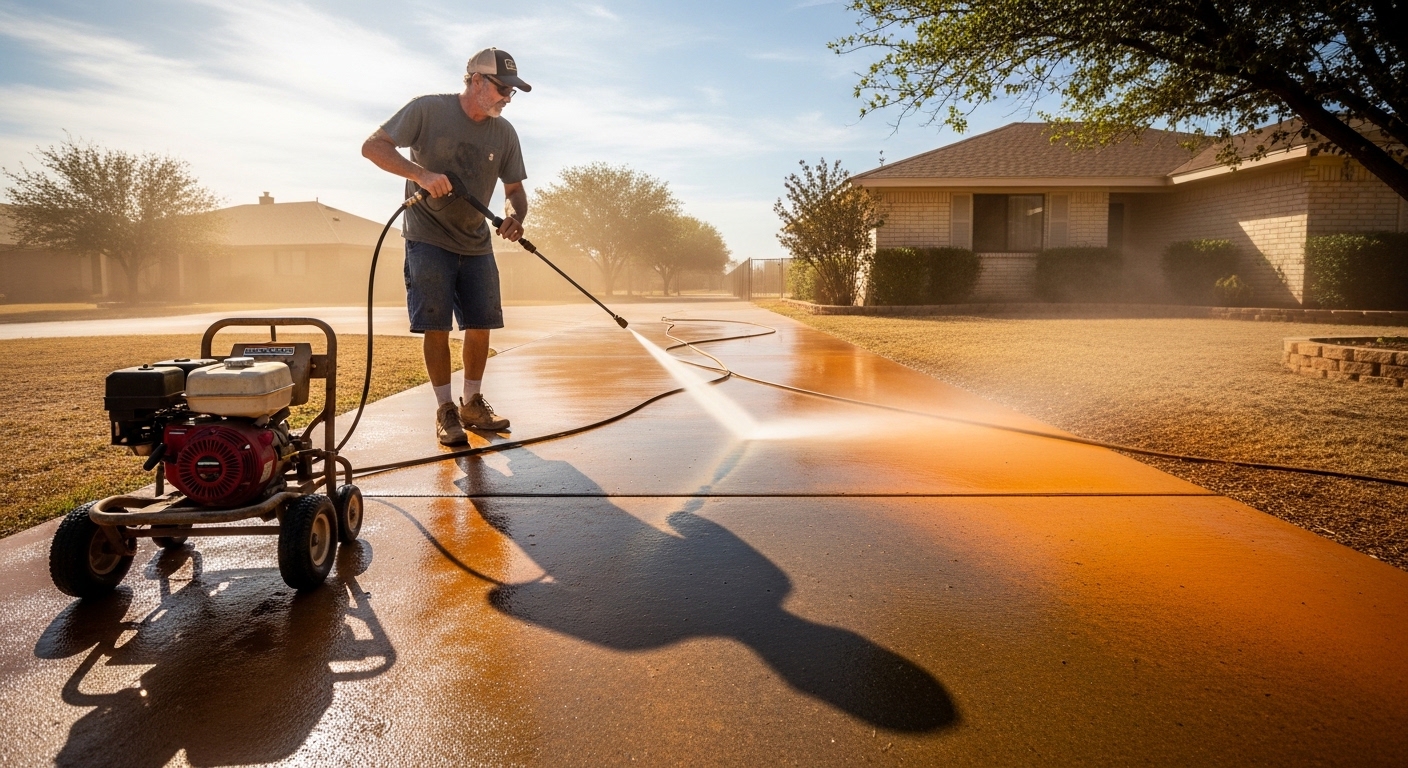
Don’t neglect the outside of your home — outdoor dust buildup can be tracked back inside and can also damage your home’s exterior surfaces, especially in abrasive West Texas silica storms.
Exterior Surfaces
- Rinse the exterior walls, windowsills, and front door with water before wiping — never dry-scrub as fine silica acts as an abrasive that can scratch paint and siding
- Pressure-wash the driveway, walkways, patio, and deck — silica-heavy dust left on concrete will be tracked back inside for weeks
- Clear gutters and downspouts of any dust and debris accumulation that can block drainage
- Inspect all exterior weatherstripping, window caulk, and door seals for cracks or gaps that allowed dust to enter — seal them before the next storm
- Check and clean attic vents and soffit vents — dust accumulation here can reduce ventilation and trap heat
Outdoor Furniture and Patio
- Rinse all outdoor furniture with a hose before wiping down — skipping the rinse step will scratch surfaces with abrasive particles
- Remove, shake out, and wash all outdoor cushions and fabric pieces
- Wash outdoor rugs, doormats, and any decorative items
- Clean the BBQ grill — cover or rinse interior before next use
Your Vehicle
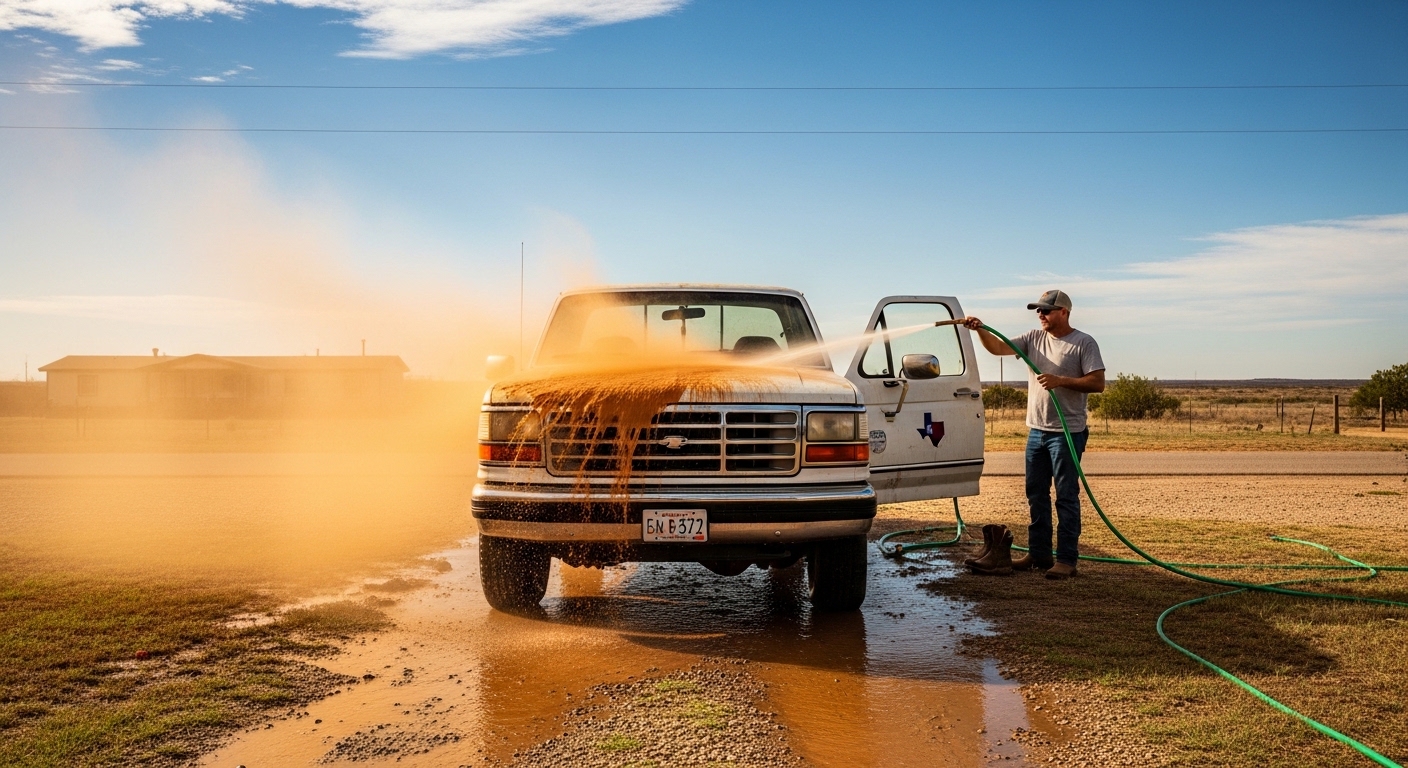
- Do NOT wipe a dust-covered vehicle with a dry cloth — this scratches paint with abrasive silica particles
- Rinse with water first, then hand-wash with proper car wash soap
- Check and replace the engine air filter if it appears clogged — this protects your engine from particulate damage
- Clean the interior with a damp microfiber cloth on hard surfaces and a HEPA vacuum on fabric
- Replace the cabin air filter if the vehicle has been caught in the storm — this protects occupants from particles while driving
Step 5: Monitor Your Family’s Health
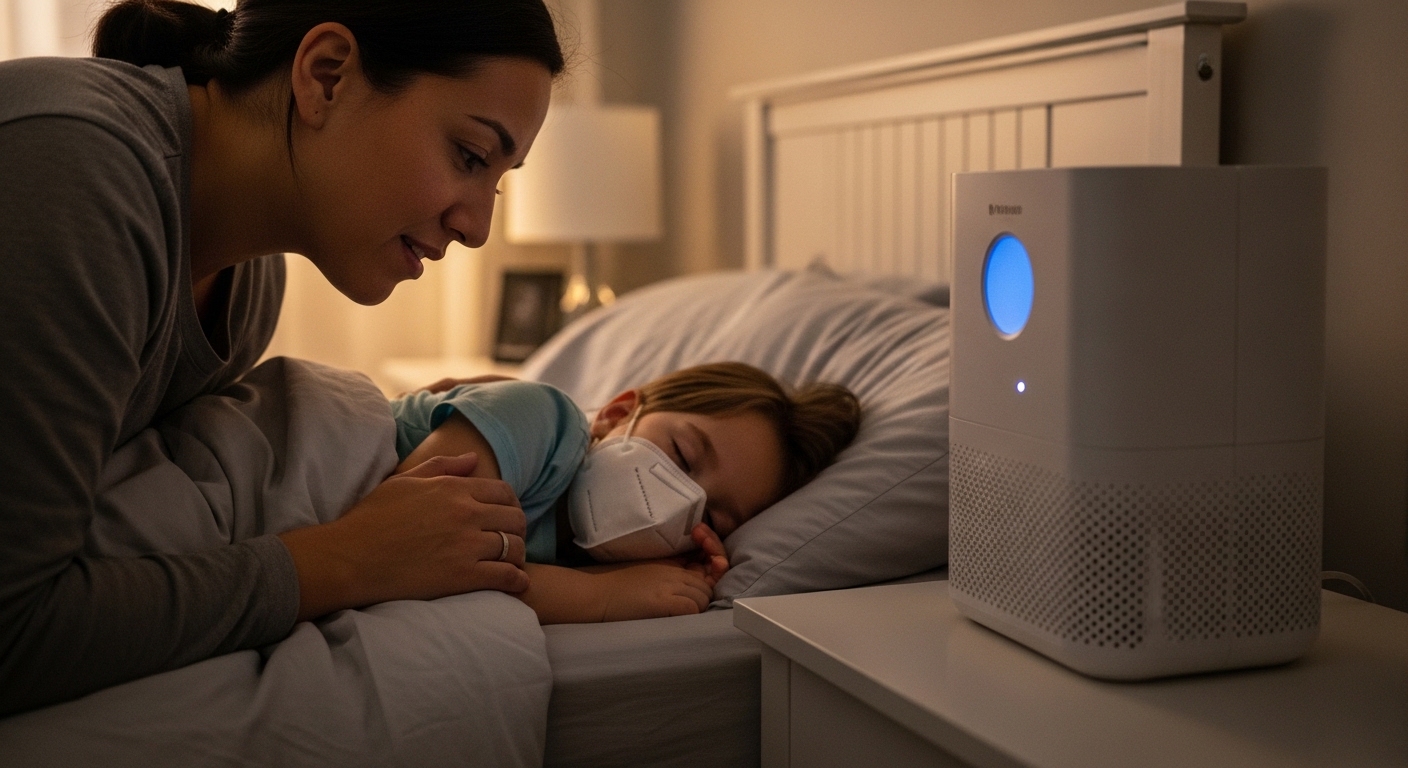
Cleaning the house is important — but monitoring your family for health effects of dust exposure is equally critical, particularly for children, the elderly, and anyone with asthma, allergies, or respiratory conditions.
When to See a Doctor After a Texas Dust Storm
Contact your healthcare provider if anyone in your household develops: persistent coughing or wheezing that lasts more than 2–3 days after the storm • Shortness of breath or chest tightness • Fever (which can indicate a secondary respiratory infection) • Eye irritation that doesn’t clear up within 24 hours • Symptoms consistent with a sinus or upper respiratory infection. Texas Tech Physicians note that some patients develop serious infections — including ‘haboob lung syndrome’ — in the days following major dust events. Don’t dismiss respiratory symptoms as just “allergies.”
- Keep asthma and allergy medications on hand and follow your physician’s guidance for increased dust exposure
- Change children’s clothes and wash their hands immediately when they come inside during or after a storm
- Consider purchasing an indoor air quality monitor — these devices show real-time PM2.5 levels and tell you when indoor air is safe to breathe normally
- Pets are also vulnerable — wipe down dogs and cats with a damp cloth before allowing them back onto furniture or bedding
Prevention: Prepare Your Texas Home Before the Next Storm
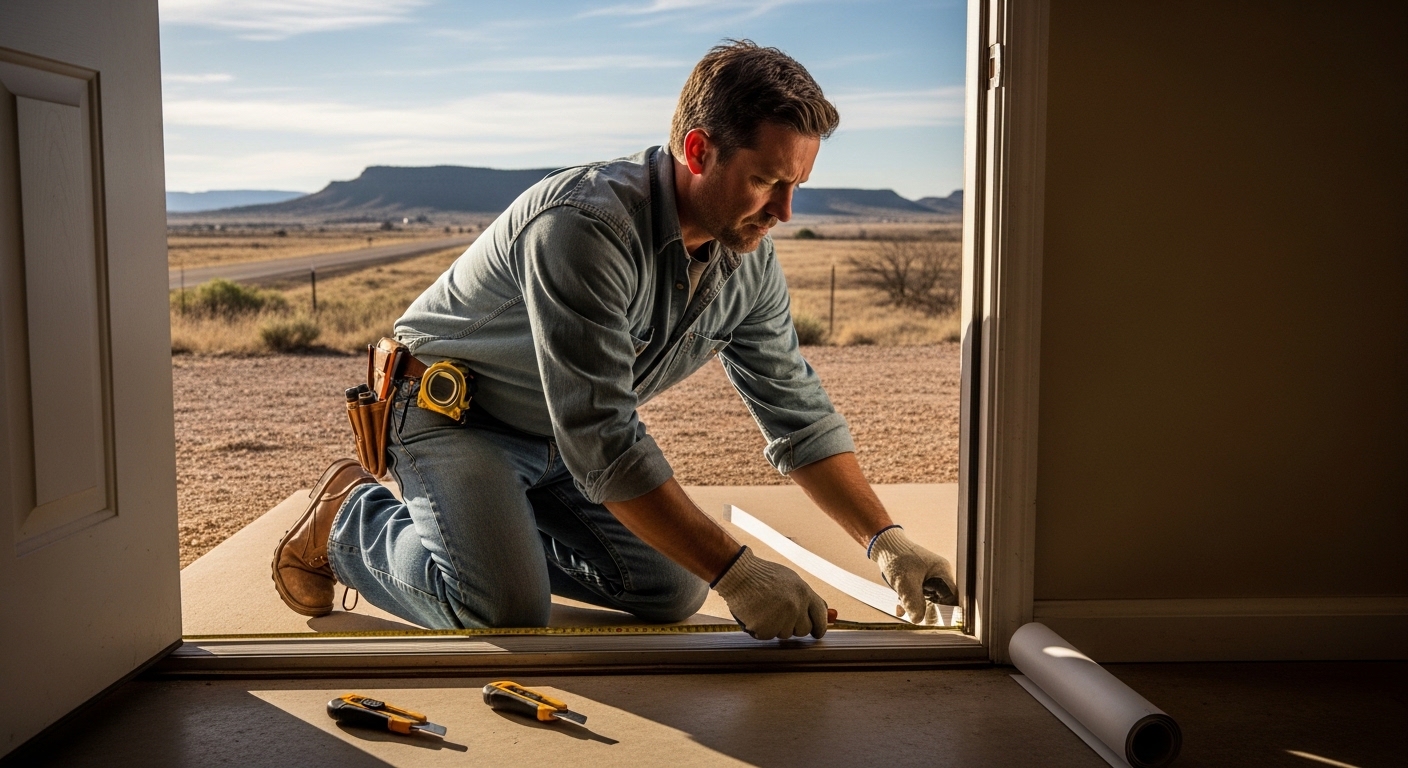
If you live in West Texas, dust storms are not a matter of if — they’re a matter of when. These upgrades will make cleanup faster and reduce dust intrusion dramatically in future storms.
Seal and Weatherstrip Your Home
- Inspect and replace weatherstripping on all exterior doors annually — this is the primary entry point for dust
- Install door sweeps on all exterior doors, including the garage-to-house door
- Caulk any gaps around windows, utility penetrations, and where siding meets trim
- Install storm windows or add secondary window seals in rooms that face the prevailing wind direction (usually west or southwest in Lubbock/Amarillo)
Upgrade Your HVAC Filtration
- Install a MERV 13 or higher filter as your standard — not just after storm events. This traps significantly more fine particles year-round
- Stock 3–4 replacement filters so you can swap immediately after any storm without waiting for delivery
- Consider a whole-house air purifier or UV air treatment system — particularly valuable for households with allergy or asthma sufferers
- Set a calendar reminder to check your filter after every significant wind event, not just monthly
Landscaping and Exterior Prep
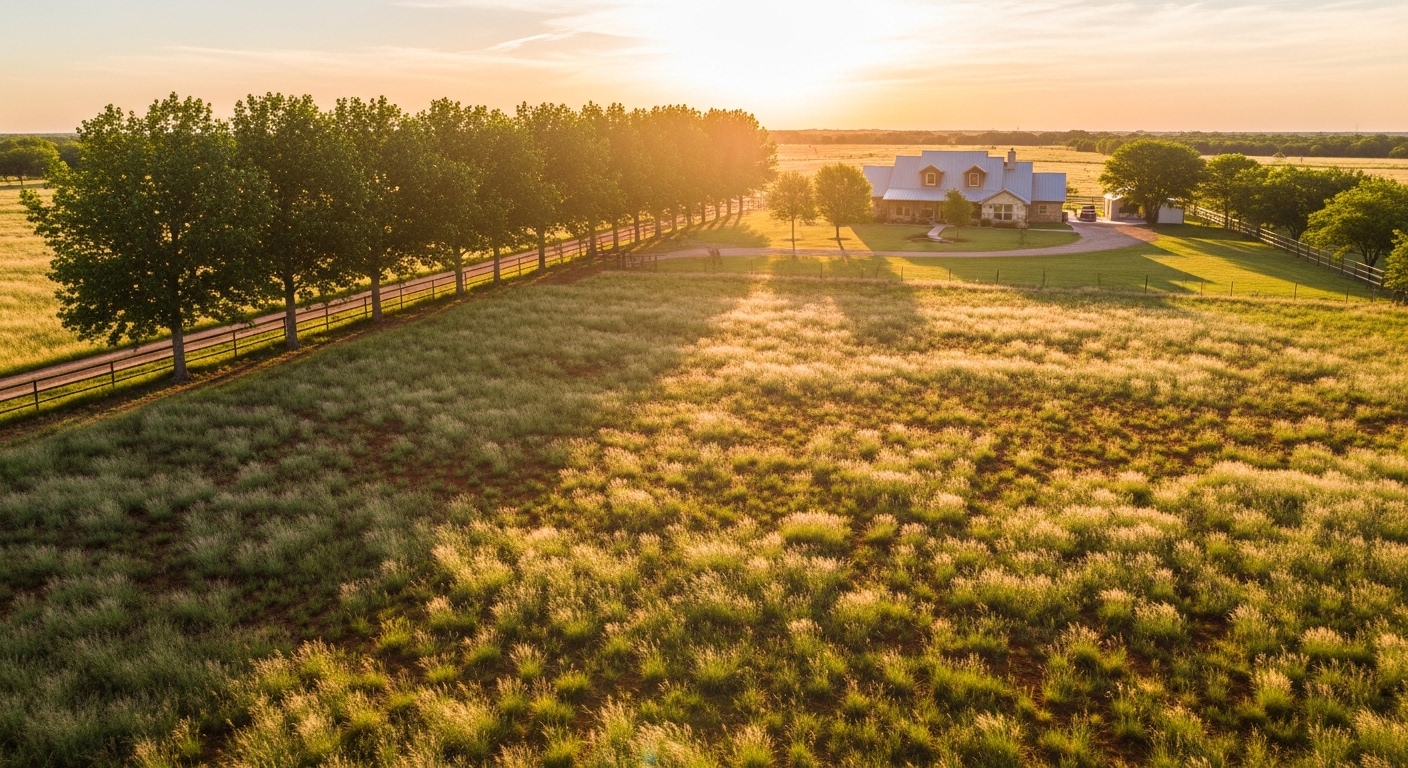
- Ground cover and native grasses in your yard anchor soil and significantly reduce the amount of dust your property contributes to — and receives from — storms
- Add gravel beds near foundation — these hold down soil that bare dirt would lose in high winds
- Plant windbreaks on the western and southern sides of your property using drought-tolerant native Texas species
- Use outdoor furniture covers — keep them on whenever severe weather is forecast
Frequently Asked Questions
Final Thoughts: Cleaning Up Is Part of Living in Texas

West Texas is one of the most beautiful, most resilient, and most wind-swept places in America. Dust storms are part of the landscape — they’ve shaped the culture, the agriculture, and the character of everyone who calls this region home.
But they don’t have to wreak havoc on your home or your health. With the right preparation, the right cleaning sequence, and a house sealed against the West Texas wind, you can get through even a haboob with minimal damage and maximum speed.
Replace that filter first. Damp-wipe, never dry-sweep. Run the air purifier. And watch the sky — because in West Texas, the next one is always on its way.
Stay dusty and stay safe, Texas.
