

Cleaning my toilet is one of those household tasks I can’t afford to ignore. Every member of my family relies on the bathroom multiple times a day, which makes the toilet a high-traffic zone for bacteria and germs. No matter how clean everything else looks, a dirty toilet can quickly make the entire bathroom feel unhygienic—and research shows just how important proper washroom hygiene really is.
According to recent studies, the average office worker spends about 13.5 minutes in the washroom each day, adding up to 53 hours a year. Many even use the restroom as a quiet escape because they don’t have enough personal space. But this trend comes with its own risks: 45% of workers have been shocked by the state of their office washroom, 42% worry about using it, and 21% have even found feces outside the toilet bowl. When spaces are this heavily used, poor hygiene doesn’t just look bad—it increases the likelihood of odors, harmful bacteria, and cross-contamination.
As Dr. Colm Moore of Initial Washroom Hygiene explains, washrooms are designed for a specific purpose and require consistent cleaning to stay safe. More people using them—and spending more time in them—means more germs, more contamination, and a greater need for proper maintenance. While these statistics focus on office environments, the message applies just as much at home: frequent toilet use demands a strong hygiene routine.
That’s why I’m truly committed to keeping our toilet spotless. When I follow the right steps and use the best tools, the job becomes far less overwhelming. With a simple routine, I can stay ahead of stains, odors, and bacterial buildup before they ever turn into real problems.
Essentials for Effective Cleaning
To clean my toilet the right way, I gather a few key supplies. I keep a firm-bristled toilet brush handy for scrubbing the bowl and getting under the rim. Disinfectant spray, paper towels, and rubber gloves protect my hands and make the job less messy. For stubborn mineral deposits, I use a pumice stone, and for daily wipe-downs, hydrogen peroxide or vinegar works well for me.
Here’s a quick list of my must-have tools:
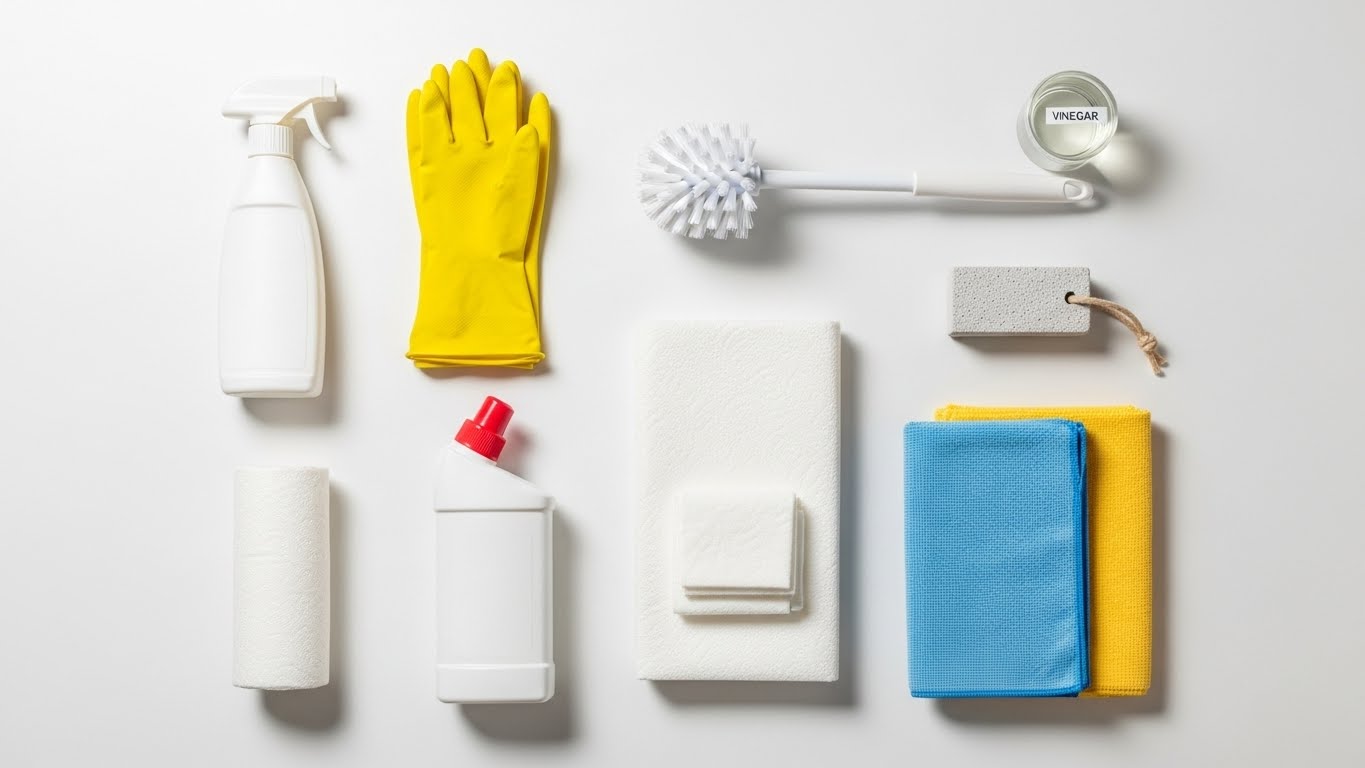
| Cleaning Tool | Purpose |
|---|---|
| Toilet bowl cleaner | Disinfects and removes stains |
| Toilet brush | Scrubs bowl and under rim |
| Pumice stone | Removes hard water deposits |
| Disinfectant spray | Cleans exterior surfaces |
| Gloves | Protects my hands |
| Paper towels/rags | Wipes down exterior |
Having these essentials nearby means I’m always prepared to handle quick cleanups or deep cleans efficiently. By using the right products, I save time and get better results.
Building Good Cleaning Habits
I’ve learned that cleaning my toilet isn’t just a one-time chore. Setting up a regular cleaning routine makes the job easier and keeps my bathroom feeling fresh. I aim to deep clean the toilet at least once a week, but I wipe down the exterior daily to maintain hygiene. For less frequently used bathrooms, I still do occasional touch-ups to avoid buildup.
With a clear plan, the right tools, and a few minutes each day, I can keep my toilet looking and smelling clean. Good habits make a big difference in maintaining a welcoming and healthy bathroom environment.
Table of Contents
Step-by-Step Toilet Cleaning Process

Preparing to Clean the Toilet
First, I gather all the essential cleaning tools and products. I make sure to have a sturdy toilet brush, a reliable bowl cleaner, rubber gloves, disinfectant spray, and cleaning wipes or rags close by. Before I start, I put on my gloves. This keeps my hands safe from germs and the chemicals in cleaning products. If the toilet bowl has a high water level, I pour half a gallon of water into it. This triggers a flush and lowers the water, so the cleaner works better. Removing water lets the bowl cleaner stick to stains and mineral deposits, making the next steps more effective.
I also check if there are any tough mineral spots or build-up under the rim or in the bowl. If I spot any, I set aside a pumice stone for those areas. Preparing everything ahead makes the cleaning process smoother and quicker. It also ensures I don’t have to stop in the middle to search for a missing tool.
Cleaning the Bowl and Tackling Stains
I start by applying the toilet bowl cleaner around the rim. I make sure the cleaner runs down the sides and covers the bowl interior. It’s important to let it sit for at least five to ten minutes. This allows the formula to break down any stains and kill bacteria. While it sits, I clean the exterior parts, like the tank, seat, and handle, using disinfecting spray and wipes.
After the cleaner has soaked, I use the toilet brush to scrub the bowl thoroughly. I focus under the rim and around the drain where grime builds up. For hard water stains or stubborn spots, I use a pumice stone. I gently rub the stone on the affected areas. Once everything looks clean, I flush the toilet to rinse away residue and grime. If needed, I repeat the process on stubborn spots to ensure the bowl is sparkling.
Final Touches and Maintenance
Once the bowl is clean, I give extra attention to the exterior. I wipe down the tank, lid, seat, and even the base with disinfectant. I use an old toothbrush for tight spots, such as hinges and crevices. This helps remove hidden grime and prevents bacteria from lingering. I always finish by cleaning the flush handle, as it’s a high-touch surface.
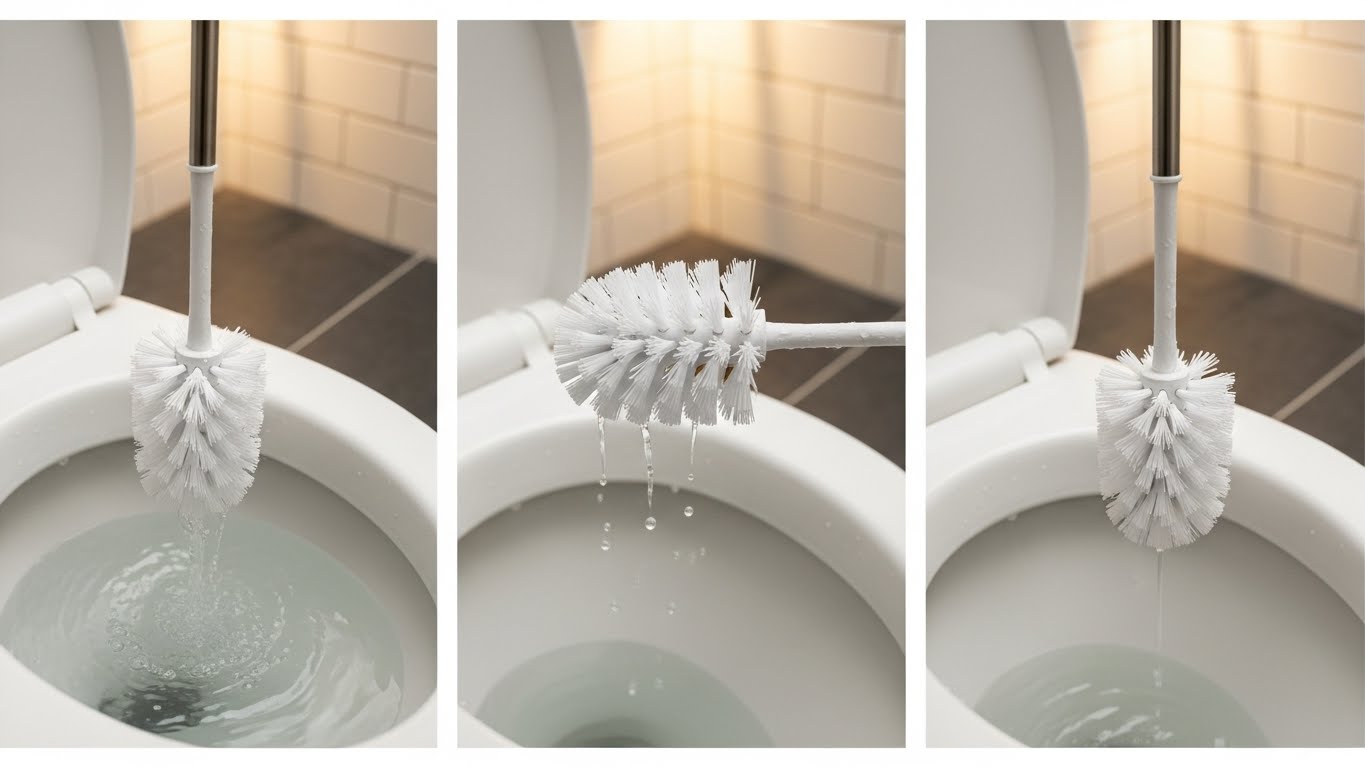
To finish up, I rinse the toilet brush in the clean water, then let it drip-dry over the bowl before returning it to its holder. I also disinfect the brush holder so bacteria doesn’t grow. With all tools put away, the toilet is left fresh and clean, ready for use.
Tips for Maintaining a Clean Toilet
My Key Takeaways on Cleaning a Toilet the Right Way
Cleaning a toilet the right way requires the right tools and a consistent routine. I’ve learned that using a firm-bristled toilet brush, a quality disinfectant cleaner, and reliable gloves makes the job easier and more effective. Deep cleaning once a week keeps bacteria and hard-water stains in check. I focus on daily maintenance as well, wiping down the toilet exterior to stop grime buildup and maintain freshness.
It’s important to choose the right cleaning products. I stick with dedicated toilet bowl cleaners that tackle stains and bacteria, avoiding tank additives that can harm the flush system. For tough mineral deposits, a pumice stone works wonders without damaging the bowl. I also make sure to clean and air-dry my cleaning tools after each use, preventing the spread of germs.
Practical Steps for Ongoing Toilet Hygiene
A clear, step-by-step process helps me keep my toilet sparkling clean. I start by draining the bowl, then apply cleaner under the rim and let it sit. Scrubbing thoroughly, especially under the rim and around the drain, ensures deep cleaning. After flushing, I disinfect all exterior surfaces, including the handle and seat. For hard-to-reach spots, an old toothbrush is helpful.
Daily care matters, too. I use hydrogen peroxide or vinegar for quick wipes and touch-ups. Fabric seat covers get washed, while plastic covers stay on but receive regular cleaning. By swishing the bowl between deep cleans, I prevent stains from setting and cut down on heavy scrubbing sessions.
My Personal Routine and Recommendations
A good cleaning schedule keeps my bathroom hygienic and inviting. I replace my toilet brush every year or when it starts to wear out. I avoid disposable cleaning wands, which can be wasteful and less effective than a sturdy brush. Careful tool maintenance, such as rinsing and drying the brush after use, helps prevent bacteria from spreading.
How to Clean Specific Surfaces or Rooms

Leave A Comment