

Why Regular Vacuuming Isn’t Enough
You vacuum your carpets every week. You can see the difference — fresh vacuum lines, no visible debris, a tidier-looking home. So your carpets must be clean, right?
Not quite.
Here’s the uncomfortable truth: regular vacuuming, even with a high-end machine, removes only the dirt and debris sitting near the surface of your carpet. Beneath that surface — buried deep within the carpet fibers and backing — lives a hidden world of dust mites, bacteria, allergens, trapped oils, and hardened soil that your vacuum simply cannot reach.
This guide breaks down the real difference between vacuuming and carpet cleaning, explains exactly why vacuuming alone falls short, and tells you what to do instead to protect your carpets, your health, and your wallet.
Table of Contents
- Carpet Cleaning vs. Vacuuming
- Why Regular Vacuuming Isn’t Enough
- Why Regular Vacuuming Isn’t Enough
- What Vacuuming Actually Does (And Does Well)
- 7 Things Your Vacuum Cannot Do
- Your Carpet Warranty May Be at Risk
- Carpet Cleaning vs. Vacuuming: Side-by-Side Comparison
- What Happens to Your Carpets If You Only Vacuum?
- Types of Professional Carpet Cleaning: Which Is Best for You?
- How Often Should You Vacuum vs. Deep Clean?
Key Takeaways
Why Regular Vacuuming Isn’t Enough
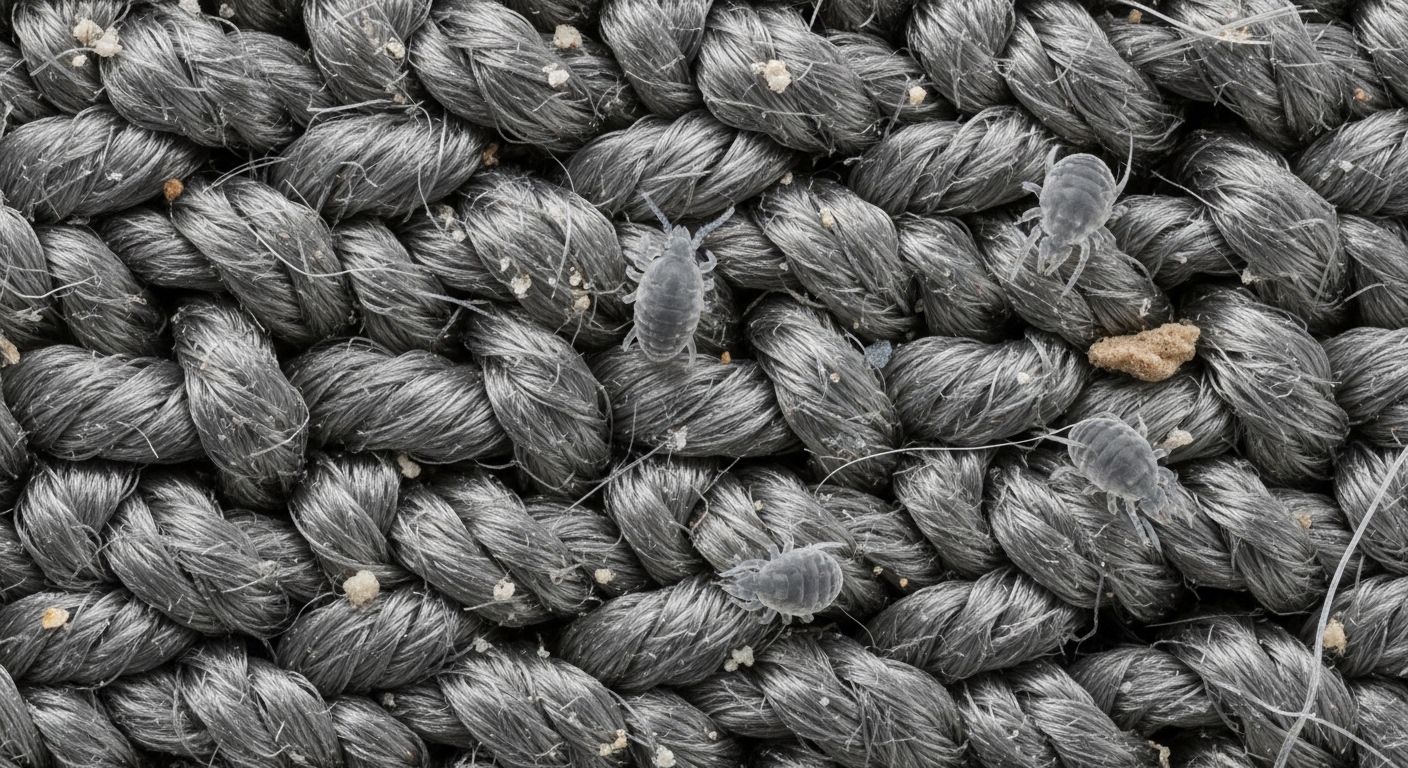
Carpets can collect up to 40 lbs of dirt, dander, hair, and allergens every year — even with regular vacuuming. Your carpet acts like a giant filter, trapping particles deep in its fibers. Without periodic deep cleaning, those particles build up, degrade the fibers, and recirculate into the air you breathe.
What Vacuuming Actually Does (And Does Well)
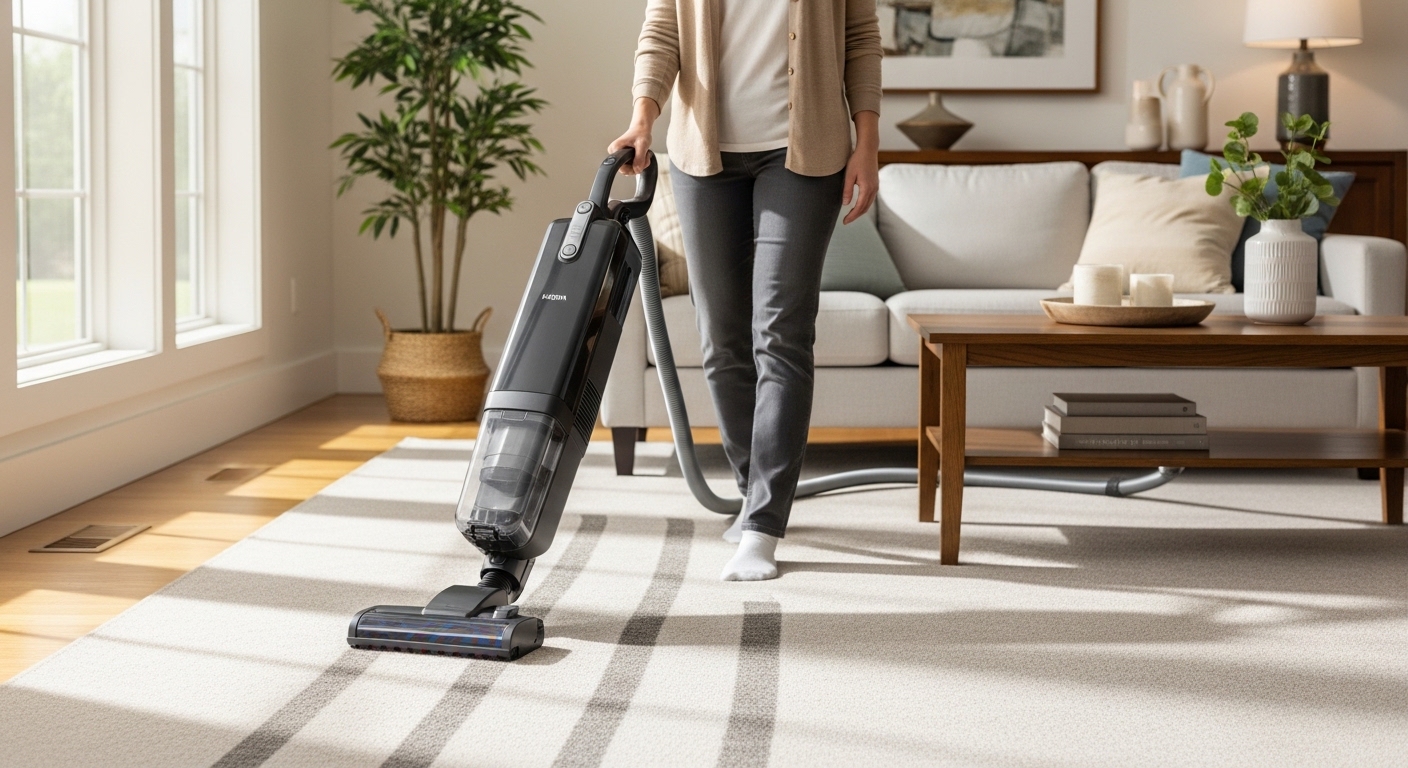
Let’s be fair to your vacuum cleaner — it’s genuinely useful and an essential part of carpet care. Here’s what regular vacuuming accomplishes effectively:
- Removes loose surface dirt, crumbs, and debris from the top layer of carpet fibers
- Picks up pet hair and larger particles before they sink deeper
- Prevents surface dirt from being ground further into the pile by foot traffic
- Keeps carpets looking tidy on a day-to-day basis
- Helps HEPA-filter vacuums capture some airborne allergens during the cleaning process
Vacuuming should absolutely be part of your weekly routine. Most experts recommend vacuuming high-traffic areas at least once a week — and daily if you have pets. The key is understanding what it can’t do.
7 Things Your Vacuum Cannot Do
1. Remove Deep-Embedded Dirt
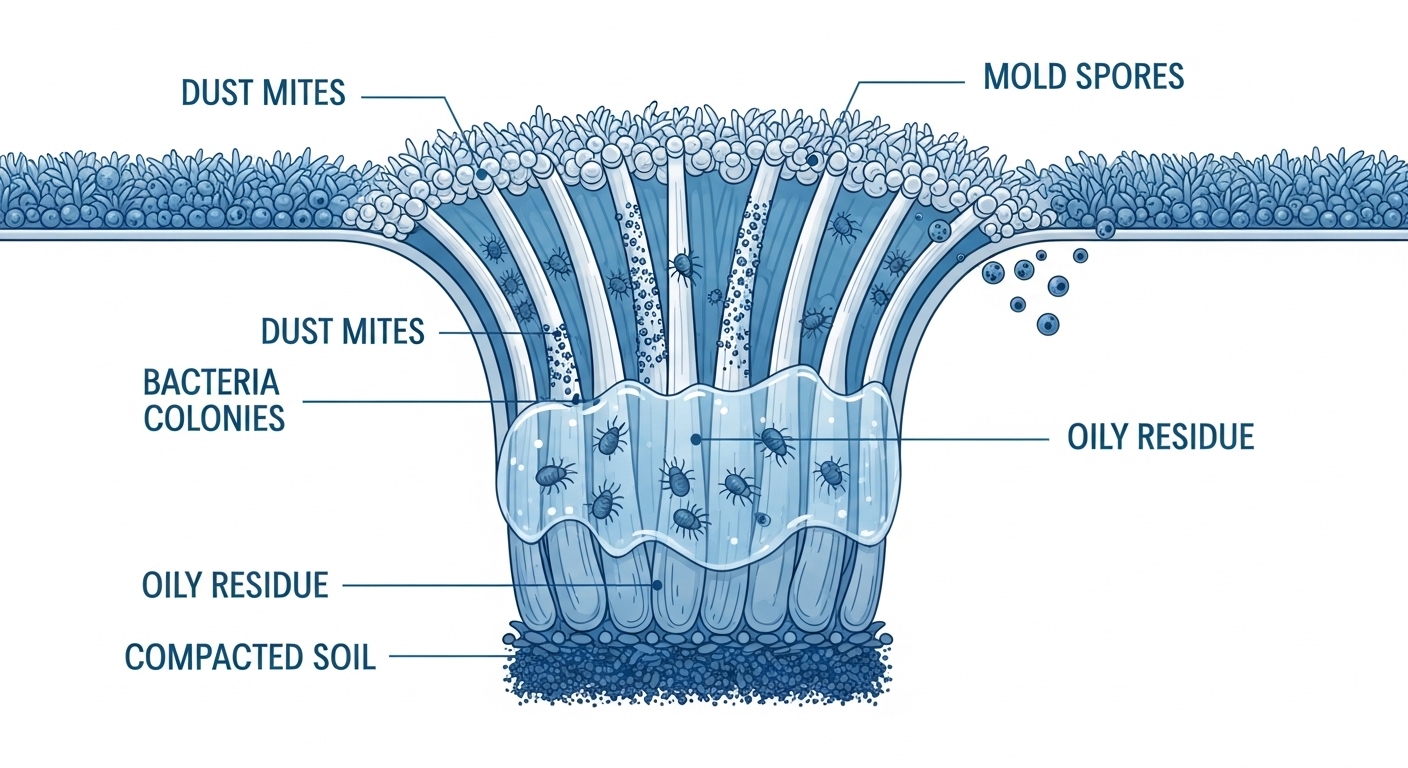
Every time someone walks across your carpet, surface dirt gets pushed further down into the fiber pile. Over time, this dirt compacts at the base of the carpet — hardening into layers that suction simply cannot dislodge. Consumer-grade vacuums lack the power to extract this deep-seated grime. Professional carpet cleaning machines inject cleaning solution deep into the fibers and use powerful extraction to pull that compacted dirt out completely.
2. Eliminate Dust Mites
Dust mites are microscopic creatures that feed on dead skin cells and thrive in carpet fibers. A single square yard of carpet can harbor thousands of them. Vacuuming removes some mites from the surface, but the majority live deep in the carpet where suction can’t reach. Hot water extraction (steam cleaning) eliminates dust mites effectively because the high temperatures — typically above 130°F — kill them on contact.
3. Remove Stains and Discoloration
Running a vacuum over a wine spill, pet accident, or muddy footprint will not remove the stain. Vacuuming picks up the dry debris around a stain but leaves the discoloration set into the fibers. Removing stains requires the right cleaning agents to break down the compounds causing the discoloration, followed by deep extraction. The longer stains are left untreated, the more permanently they bond with carpet fibers.
4. Eliminate Odors
Persistent odors in carpet — especially pet urine, smoke, or mildew — are caused by organic compounds embedded deep in the fiber and backing. Vacuuming removes surface debris but cannot reach the source of the smell. Even frequent vacuuming won’t resolve a lingering odor because the cause is trapped well below the surface. Deep cleaning with enzymatic or deodorizing solutions targets and neutralizes the odor at its source.
5. Kill Bacteria and Mold Spores
Carpets are warm, dark, and often slightly damp — ideal conditions for bacteria and mold spores to grow. Liquid spills that aren’t fully dried can lead to mold developing in the carpet backing. Vacuuming has zero effect on bacteria or mold; it cannot kill pathogens. Steam cleaning at high temperatures sanitizes carpet fibers and kills bacteria and mold spores, significantly improving the health of your indoor environment.
6. Remove Oily, Sticky Residue
Dirt tracked in from outside often contains oily residue from roads, driveways, and sidewalks. This greasy soil bonds to carpet fibers and cannot be lifted by suction alone — it requires water-based cleaning solutions to dissolve and break down the bond before it can be extracted. Vacuuming spreads this residue around, actually making the carpet attract more dirt over time.
7. Restore Matted or Flattened Fibers
High-traffic areas develop crushed, flattened carpet fibers over time. This is partly due to weight and pressure, but also due to dirt particles acting like sandpaper, grinding down the fiber structure. Vacuuming can fluff the surface slightly, but professional deep cleaning — combined with grooming tools — restores carpet fibers to a near-original upright position, reviving the carpet’s appearance dramatically.
Your Carpet Warranty May Be at Risk
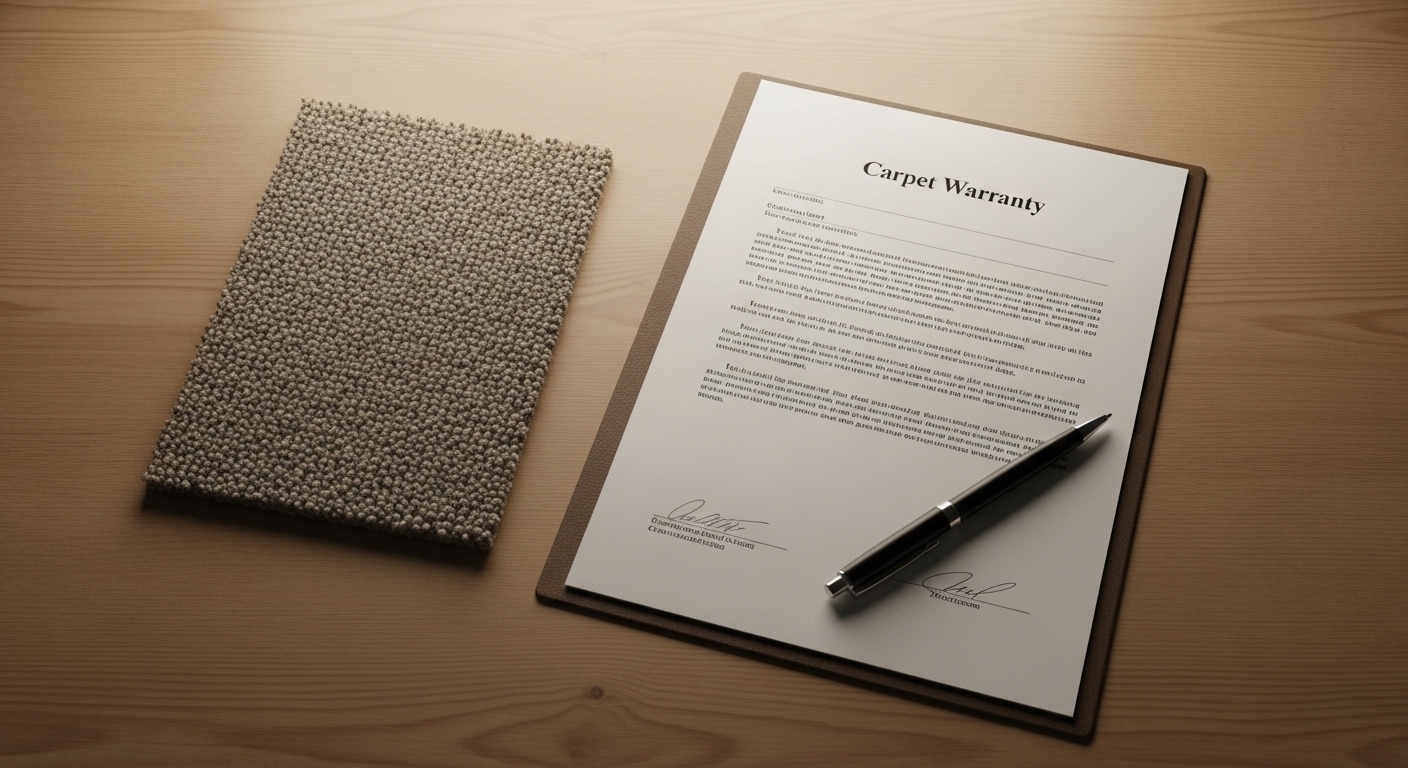
Most major carpet manufacturers — including Shaw, Mohawk, and Stain master — require professional cleaning every 12 to 18 months as a condition of their warranty. Relying solely on vacuuming can void your warranty, meaning any defects that arise may not be covered. Check your carpet’s warranty documentation for the exact requirement.
Carpet Cleaning vs. Vacuuming: Side-by-Side Comparison
Here’s a clear breakdown of what each method can and cannot do:
| Factor | Regular Vacuuming | Professional Carpet Cleaning |
|---|---|---|
| Removes surface dirt & debris | ✅ Yes — excellent | ✅ Yes, as a first step |
| Removes deep-embedded dirt | ❌ No | ✅ Yes — fully extracts |
| Eliminates dust mites | ❌ No | ✅ Yes — heat kills them |
| Removes pet dander & allergens | ⚠️ Partially (surface only) | ✅ Yes — from root of fiber |
| Removes stains & discoloration | ❌ No | ✅ Yes |
| Eliminates odors | ❌ No | ✅ Yes — targets source |
| Kills bacteria & mold spores | ❌ No | ✅ Yes (steam methods) |
| Restores carpet appearance | ⚠️ Slightly | ✅ Yes — like-new results |
| Extends carpet lifespan | ⚠️ Moderately | ✅ Yes — significantly |
| Protects carpet warranty | ❌ No (for most brands) | ✅ Yes — required by most |
| Frequency needed | Weekly (or more) | Every 12–18 months |
| Cost | Low (electricity only) | Moderate — but worth it |
What Happens to Your Carpets If You Only Vacuum?
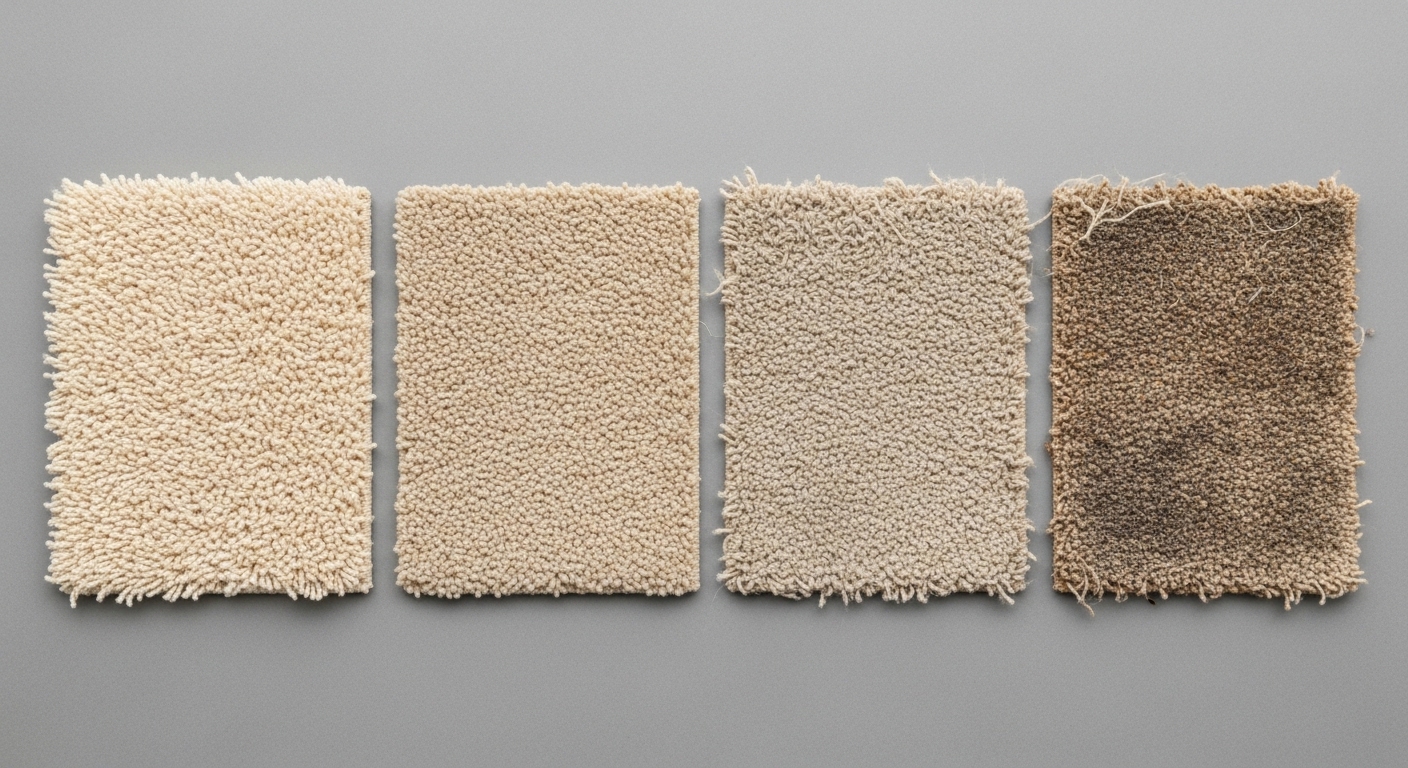
Skipping professional carpet cleaning has real, compounding consequences. Here’s what happens over time when vacuuming is the only care your carpets receive:
Year 1: Surface looks clean. Invisible buildup begins in the carpet backing. Allergen levels start to rise in the fiber core.
Year 2: Visible dullness and dinginess develops, especially in high-traffic areas. Stains that were never treated begin to set permanently.
Year 3: Matting and fiber damage accelerates. Odors may become noticeable. Indoor allergen levels are measurably elevated.
Year 4–5: Carpet fibers degrade significantly faster than they should. You’re looking at premature replacement — years before the expected lifespan.
The average carpet lasts 10–15 years with proper care. Vacuuming only — with no deep cleaning — can cut that lifespan to 5–7 years, costing you thousands of dollars in early replacement costs.
Types of Professional Carpet Cleaning: Which Is Best for You?
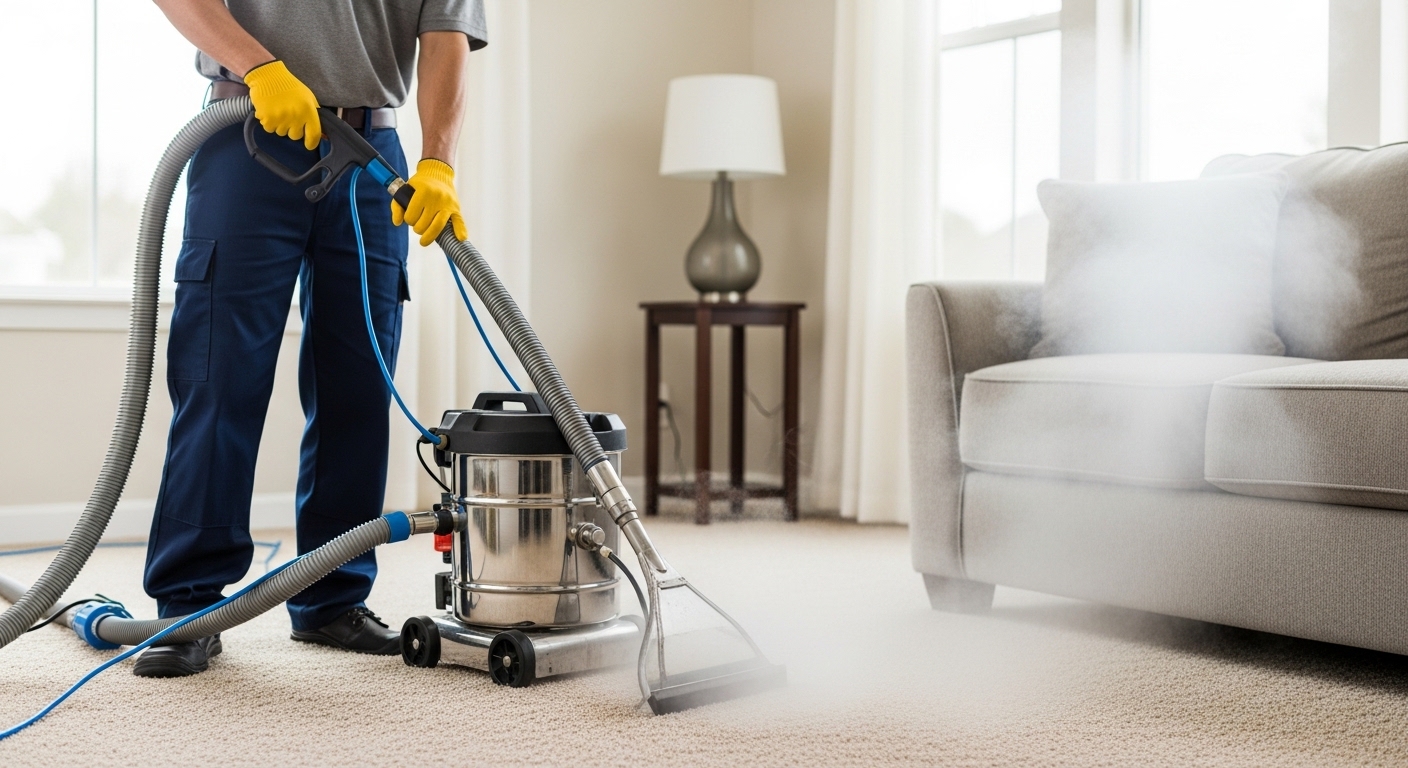
Not all carpet cleaning methods are the same. Here’s a breakdown of the most common approaches:
| Method | Best For | Dry Time | Approx. Cost |
|---|---|---|---|
| Hot Water Extraction (Steam) | Deep stains, allergens, odors | 6–12 hours | $100–$300/room |
| Dry Cleaning | Delicate fibers, quick turnaround | 1–2 hours | $75–$200/room |
| Encapsulation | Maintenance cleans, low moisture | 1–2 hours | $50–$150/room |
| Shampooing | Heavy soiling, high traffic areas | 8–12 hours | $80–$200/room |
| Bonnet Cleaning | Surface-level refresh, commercial | 1–2 hours | $50–$100/room |
Which method should you choose?
- Hot Water Extraction (Steam Cleaning): The gold standard for most homes. Recommended by most carpet manufacturers for warranty compliance. Best for deep cleaning, stains, allergens, and odors.
- Dry Cleaning: Ideal if you need a quick turnaround or have moisture-sensitive carpet fibers. Less effective for deep embedded soil.
- Encapsulation: Great for commercial spaces or as a maintenance clean between deeper sessions. Less water, less downtime.
Pro Tip: DIY vs. Professional
Rental carpet cleaning machines are available at most hardware stores for $30–$50/day. They work for light maintenance but lack the extraction power of professional equipment. Under-extracted moisture can lead to mold growth under the carpet. For annual deep cleans, professional-grade services produce superior results and eliminate moisture risk.
How Often Should You Vacuum vs. Deep Clean?
The right frequency depends on your household’s situation:
Vacuuming Frequency
- Standard household (1–2 adults, no pets): Once per week
- Household with children: 2–3 times per week
- Household with pets: Daily in pet-frequented areas; 2–3x/week elsewhere
- Allergy sufferers: Daily — also use a HEPA-filter vacuum
Professional Deep Cleaning Frequency
- Standard household (no pets or children): Every 12–18 months
- Household with children: Every 6–12 months
- Household with pets: Every 3–6 months
- Allergy or asthma sufferers: Every 3–6 months
- High-traffic commercial carpets: Every 3 months
The Ideal Carpet Care Routine
Think of vacuuming as brushing your teeth — essential for daily hygiene. Think of professional carpet cleaning as your dental check-up — necessary twice a year to catch what daily brushing misses. You need both, and neither replaces the other.
How to Vacuum More Effectively (While You Wait for That Deep Clean)
If professional cleaning isn’t on the immediate horizon, you can dramatically improve your vacuuming results with these expert techniques:
- Go slowly — moving the vacuum at half your normal speed gives it time to agitate fibers and increase suction contact with the carpet
- Vacuum in two directions — go over each area lengthwise, then crosswise to lift fibers from multiple angles
- Use the right attachments — the crevice tool along baseboards and edges where dirt accumulates most
- Change or empty your bag/canister when it’s 2/3 full — a full vacuum loses 50%+ of its suction efficiency
- Upgrade to a HEPA filter vacuum — standard filters release allergens back into the air; HEPA traps particles as small as 0.3 microns
- Pre-treat stains before vacuuming, never after — apply cleaner, blot, let dry, then vacuum the residue
- Vacuum before mopping hard floors near carpeted areas — otherwise you’ll sweep dirt back onto clean carpets
Signs Your Carpet Is Overdue for a Professional Clean
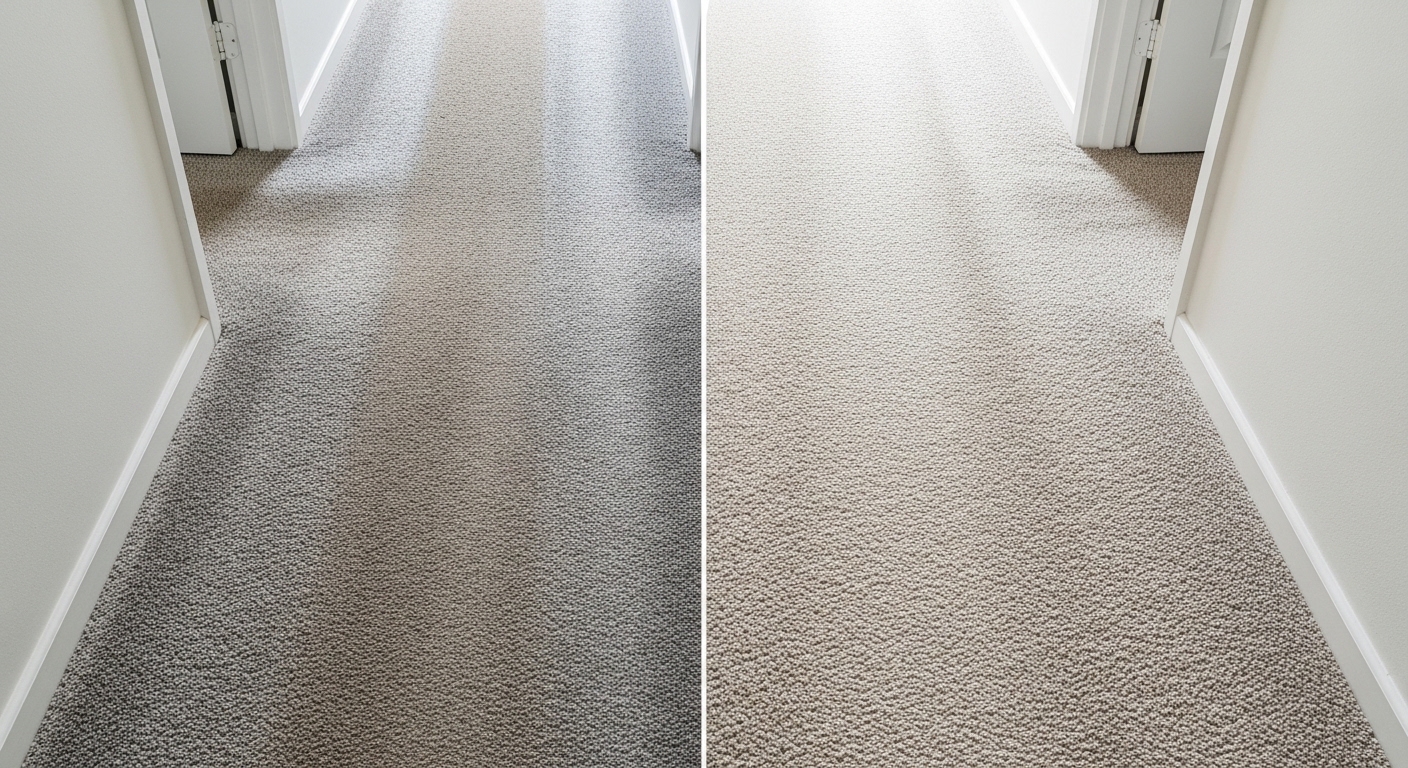
Not sure if it’s time to call in the professionals? Look for these telltale signs:
- Visible stains that haven’t responded to spot cleaning
- Persistent odors that linger even after vacuuming
- Increased allergy symptoms in household members — sneezing, itchy eyes, congestion
- Carpet appears dull or grayish even right after vacuuming
- Heavy foot traffic areas look distinctly darker or flattened compared to the rest of the room
- You’ve had pets or young children in the home and haven’t deep cleaned in over a year
- More than 18 months have passed since the last professional clean
- The carpet feels gritty or stiff underfoot
Frequently Asked Questions
The Bottom Line

Vacuuming is essential — but it’s only half the equation. It keeps your carpet looking presentable day-to-day and prevents surface dirt from sinking deeper, but it cannot clean what’s already embedded in the fibers, eliminate allergens and bacteria, remove stains, or restore your carpet’s original look and feel.
Professional carpet cleaning isn’t a luxury or an occasional indulgence. It’s a necessary part of responsible home maintenance that protects your health, preserves your carpet’s lifespan, and — in most cases — is a requirement of your carpet’s warranty.
The right approach is a combination of both: vacuum weekly to maintain the surface, and invest in a professional deep clean every 12–18 months (or more often if you have pets, kids, or allergy sufferers at home).
Your carpet works hard for your home. Give it the full care it deserves.
